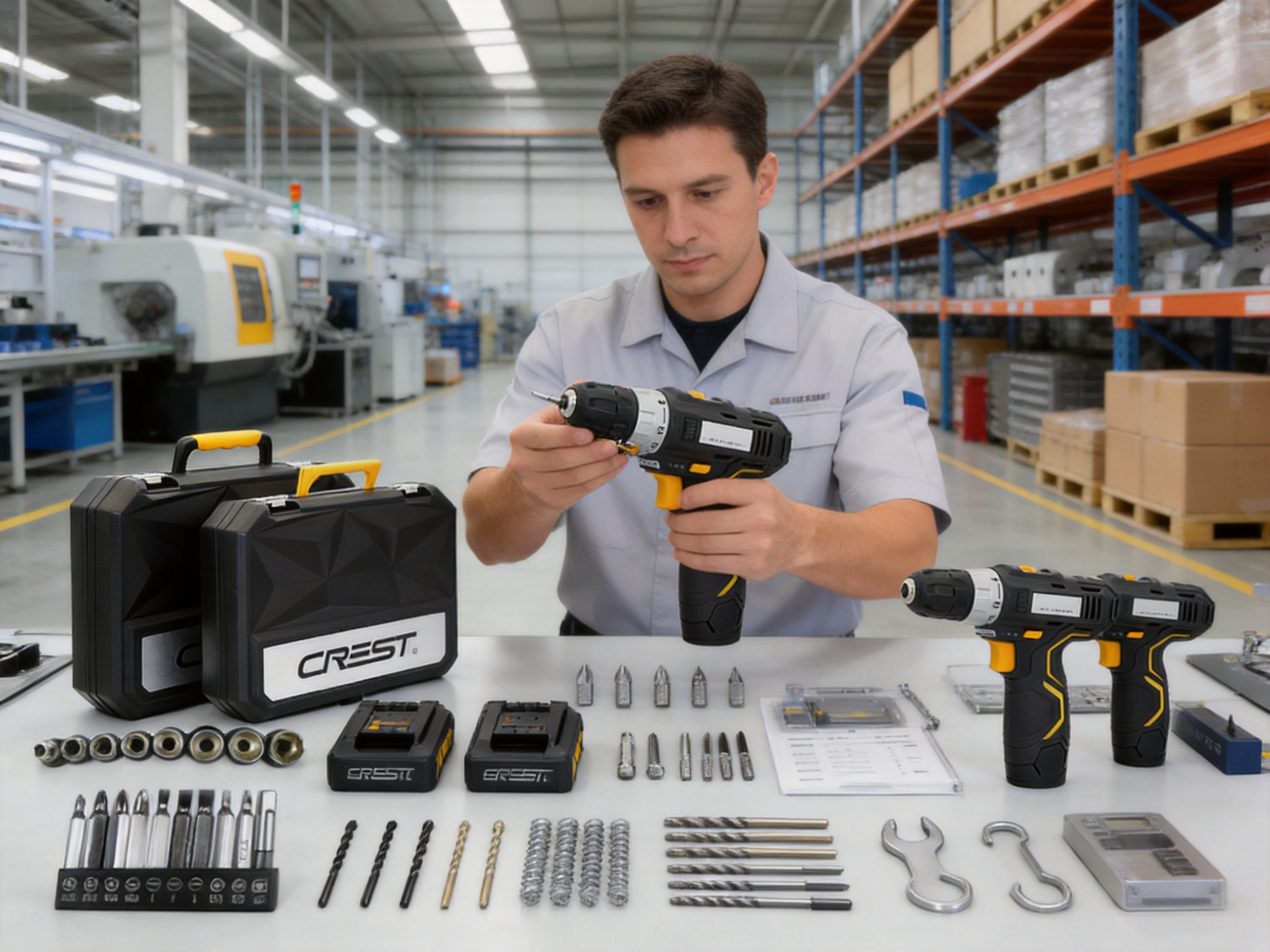
A rechargeable cordless drill is one of the most useful tools for modern household maintenance, furniture assembly, light renovation, and workshop projects. Unlike a traditional corded drill, it gives the user freedom to work away from wall outlets, move easily around a room, and complete tasks without managing a long power cable. The Rechargeable Cordless Drill Home Tool, product code LZ000RD000002, is designed for users who need a convenient and flexible drilling and fastening solution for everyday applications.
This type of home tool combines portability, rechargeable power, and a compact operating format. It can support common jobs such as installing shelves, assembling cabinets, fitting hinges, tightening screws, preparing pilot holes, and carrying out general household repairs. Its value is not limited to drilling holes. With the appropriate bit or driver accessory, it can become a practical fastening tool for wood, plastic, furniture panels, and selected light-duty materials.
The product is supplied through a hardware manufacturing business with experience in screws, fasteners, stamping parts, metal hooks, and related home hardware. That background is important because a cordless drill is often used together with the very products manufactured by a hardware supplier: furniture screws, sheet metal screws, self-drilling screws, drywall screws, and other fastening components. A company familiar with fastening systems can better understand how users select torque, speed, bit types, and screw compatibility for practical installation work.
For homeowners, retailers, contractors, and distributors, the main attraction of a rechargeable cordless drill is the combination of mobility and everyday usefulness. The tool can be stored in a home workshop, transported to a jobsite, or supplied as part of a broader home-improvement product range. Its rechargeable format also reduces dependence on disposable batteries and provides a more organized operating experience than many basic battery-powered tools.
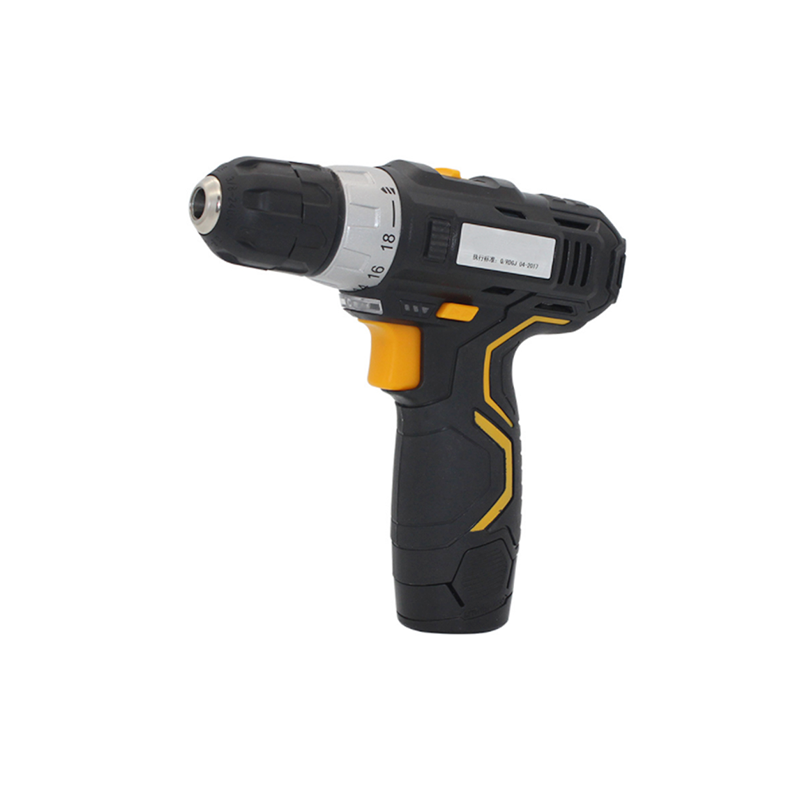
Rechargeable cordless drill home tool
1. Understanding the Product Concept
The Rechargeable Cordless Drill Home Tool LZ000RD000002 belongs to the category of compact electric hand tools intended for convenient drilling and fastening. The central design concept is simple: electrical energy stored in a rechargeable battery powers a motor, and the motor transfers rotational force to a chuck and attached bit. This allows the user to drill or drive without connecting the tool to a mains socket.
A cordless drill normally consists of several functional systems. The battery supplies energy, the motor converts electrical energy into rotation, the transmission controls the relationship between speed and torque, and the chuck holds the selected drill or driver bit. The handle gives the operator control, while the trigger regulates operation. Depending on the configuration, the drill may also include direction control, a speed-adjustment trigger, a torque-setting ring, and an integrated work light.
The usefulness of the tool comes from the way these elements work together. A high-speed setting is generally helpful for drilling suitable materials, while a lower-speed and higher-torque setting is useful for driving screws or beginning work carefully. Direction control allows the operator to switch between forward rotation for installation and reverse rotation for screw removal or bit release.
For home users, an important benefit is the ability to complete a wide variety of small projects with one portable tool. A person may use the drill in a living room to assemble furniture, in a garage to install storage brackets, or outdoors to repair a gate or garden structure. The same tool can be carried from one location to another without searching for an extension cord.
The product is especially suitable for users who value convenience but do not necessarily need a large professional construction drill. It can serve as a household maintenance tool, a furniture assembly aid, a light workshop device, or an entry point into more organized DIY work. Its practical role is to make routine drilling and fastening faster, simpler, and less physically demanding.
2. Main Advantages Over Conventional Alternatives
2.1 Freedom from Power Cords
The most obvious advantage of a rechargeable cordless drill is freedom from a fixed power connection. A corded tool may deliver continuous power, but it also limits the operator to locations near an outlet or extension cable. Cables can cross walkways, become tangled around furniture, or restrict the angle at which a task can be approached.
A cordless tool removes these obstacles. Users can work inside cabinets, behind furniture, on ladders, in storage areas, or in outdoor locations where a convenient outlet is unavailable. The absence of a cable also makes the workspace easier to organize and reduces one common tripping hazard.
This benefit is particularly valuable for furniture installers and home users. When assembling a wardrobe or cabinet, the operator may need to move repeatedly between different sides of the product. A cordless drill follows the user naturally, without requiring a cable to be pulled around corners or through narrow spaces.
2.2 Rechargeable Convenience
Rechargeable power offers a more economical and organized alternative to repeatedly purchasing disposable batteries. The user can recharge the power source after use and prepare the tool for the next project. For households that perform frequent repairs, this can provide better long-term convenience than keeping multiple packs of single-use batteries available.
A rechargeable system also supports more predictable tool ownership. The user knows where the drill is stored, where it is charged, and how it can be prepared before a project begins. For retailers and distributors, the rechargeable format is attractive because it represents a reusable home-improvement product rather than a one-time accessory.
Actual operating time depends on the battery, workload, material, bit size, drilling depth, screw length, and operating technique. For that reason, responsible users should follow the product documentation and avoid assuming that every project will consume power at the same rate. Even so, rechargeable operation remains a strong advantage for routine household tasks.
2.3 One Tool for Drilling and Driving
A screwdriver is useful for manual fastening, while a drill is designed for creating holes. A rechargeable cordless drill can support both operations when fitted with compatible accessories. This dual-purpose capability reduces the need to purchase and store separate tools for every small task.
For example, a user can first create a pilot hole in a wooden panel and then change to a driver bit to install a screw. The pilot hole can reduce the risk of splitting in certain wood products and can help guide the screw into the desired position. When assembling furniture, the same tool can alternate between drilling, fastening, and removing screws.
This versatility gives the product an advantage over simple manual screwdrivers and single-purpose household tools. It also makes the drill suitable for starter toolkits, rental packages, home-improvement displays, and maintenance departments that need broad functionality from a compact product.
2.4 Better Access in Confined Areas
Cordless operation is useful in places where a corded drill is difficult to position. Inside a cabinet, beneath a tabletop, behind a shelving unit, or at the back of a storage compartment, a compact cordless drill can often be handled more easily. The user can approach the workpiece from different directions without dragging a power cable through the surrounding area.
Reduced cable interference can also improve control. When the operator is not concerned about protecting or repositioning a cord, it may be easier to keep the bit aligned with the work surface. Better alignment supports cleaner holes, more consistent screw placement, and less accidental damage to finished surfaces.
2.5 Practical Value for Home Maintenance
Many household tasks do not require the size or complexity of a heavy industrial drill. Installing curtain brackets, repairing drawers, fitting handles, mounting light shelves, tightening furniture hardware, and completing small woodworking projects are all examples of tasks where a compact rechargeable drill may be more convenient.
The product can also be useful for seasonal maintenance. Users may need to secure decorations, repair garden furniture, install storage hooks, or make adjustments to a home office. Instead of searching for a professional service for every minor task, a homeowner with a suitable cordless drill can handle many simple jobs independently.
Its value is therefore measured not only by drilling performance but also by time saved, ease of movement, reduced tool clutter, and improved readiness for unexpected repairs.
3. Product Applications
3.1 Furniture Assembly
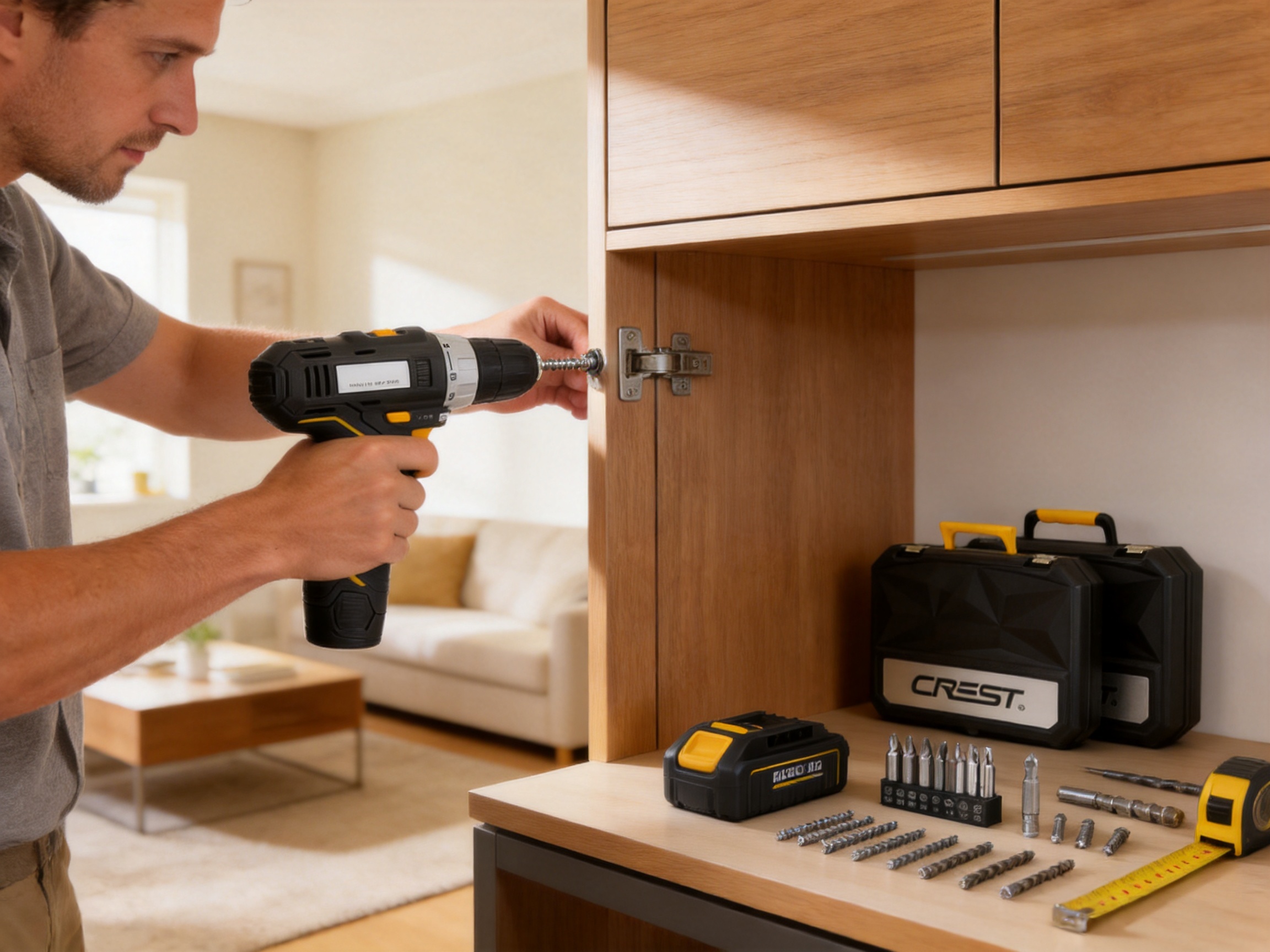
Furniture assembly is one of the most common applications for a rechargeable cordless drill. Flat-pack furniture often includes multiple screws, connector points, hinges, handles, and alignment components. A manual screwdriver can complete these tasks, but the process may be slow and tiring when many fasteners are involved.
A cordless drill with an appropriate driver bit can accelerate assembly while helping the operator maintain a more consistent rhythm. The user should still apply moderate pressure and avoid excessive torque, especially when working with particleboard, medium-density fiberboard, laminated panels, or softwood. Over-tightening can damage the board, strip the screw head, or reduce the strength of the connection.
The tool is also useful when installing drawer runners, cabinet handles, hinges, shelf supports, and furniture feet. For visible surfaces, it is good practice to mark the position carefully and begin at a controlled speed. A pilot hole can help improve accuracy and reduce the chance of material damage.
3.2 Woodworking and Home Projects
In basic woodworking, the drill can create pilot holes, clearance holes, and openings for selected hardware. It may be used with wood drill bits, countersink bits, driver bits, and other compatible accessories. These projects can include small shelves, storage boxes, workbenches, planter frames, and repair pieces.
Users should select the accessory according to the material and hole size. A bit designed for wood should not automatically be used for masonry or hardened metal. Choosing the correct accessory improves cutting efficiency and reduces unnecessary strain on the tool.
3.3 Wall and Fixture Installation
The drill can support installation work involving brackets, hooks, handles, light fixtures, and selected wall hardware. However, wall materials vary significantly. Wood, drywall, brick, concrete, tile, and composite panels each require different drilling methods and suitable accessories.
Before drilling into a wall, the user should check for electrical cables, plumbing, structural elements, and concealed services. The tool itself cannot identify every hidden hazard. Safe installation requires planning, appropriate anchors, correct bit selection, and careful observation of the building surface.
3.4 Light Metal and Sheet Material
With a suitable metal bit and controlled operating speed, a cordless drill may assist with selected light-metal applications. These can include preparing holes in thin sheet material, installing metal brackets, or working with hardware components. The operator should use appropriate pressure and avoid forcing the bit.
Heat management is important when drilling metal. Excessive speed, dull bits, or constant pressure can generate heat and reduce bit life. For more demanding metalworking, users should select a tool and accessory specifically rated for that application rather than treating a household drill as a heavy industrial machine.
3.5 Repair and Maintenance Work
In a home, office, workshop, or small business, the drill can help with frequent repair tasks. It may be used to replace cabinet hardware, tighten loose fittings, install storage systems, repair wooden frames, or modify a work area. Its portability allows maintenance personnel to carry it directly to the point of repair.
For distributors, this broad application range is useful when positioning the tool. It can be marketed not only to DIY enthusiasts but also to homeowners, furniture installers, property maintenance workers, small contractors, and institutional users who need an accessible general-purpose tool.
4. Ergonomics, Control, and User Experience
Performance is only one part of a good cordless drill. The user must also be able to hold, guide, and operate the tool comfortably. A practical home tool should support natural hand positioning and allow the operator to see the bit and work surface clearly.
A balanced body can reduce wrist fatigue during repeated fastening. A well-positioned trigger can make it easier to start slowly and increase speed as necessary. Direction controls should be easy to identify, while the chuck should permit secure accessory installation. These details matter because many household users have limited experience with power tools.
Control is especially important when working with soft materials or finished furniture. Too much speed or torque can cause a bit to wander, damage a decorative surface, or drive a screw below the desired depth. A user-friendly drill should therefore be approached as a precision tool rather than simply a source of rotation.
Lighting, if included in the particular configuration, can improve visibility in shadowed areas. Even when no integrated light is available, users can improve visibility by positioning an external work light and keeping the work area clear. Good visibility supports safer and more accurate operation.
Noise, vibration, and hand comfort also influence the perceived quality of a tool. Users often judge a product not only by whether it completes a task but also by how pleasant and controlled the process feels. A compact rechargeable drill can offer a more approachable experience than a larger professional device for light household work.
5. Fastener Compatibility and Hardware Integration
A cordless drill is most effective when it is paired with suitable fasteners and accessories. The product information associated with the manufacturer includes screws, fasteners, package products, stamping parts, metal hooks, and other hardware categories. This creates a natural relationship between the drill and a broad fastening ecosystem.
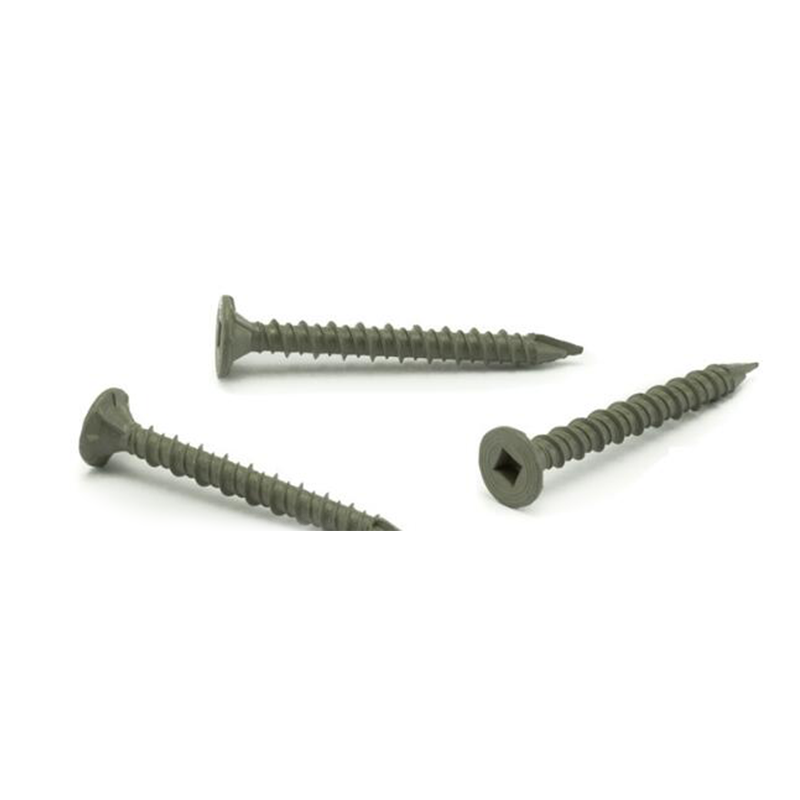
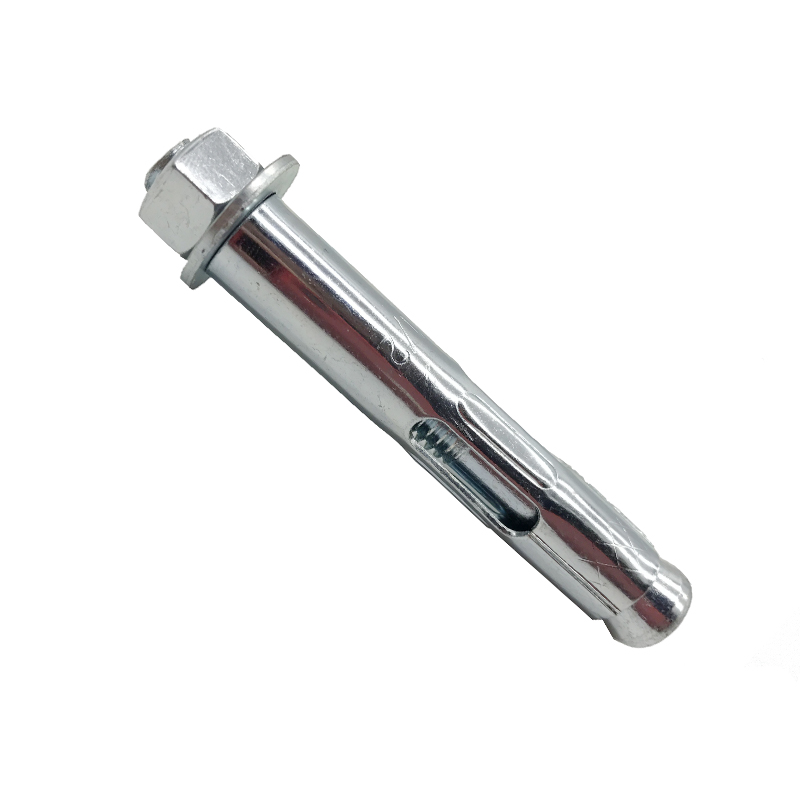
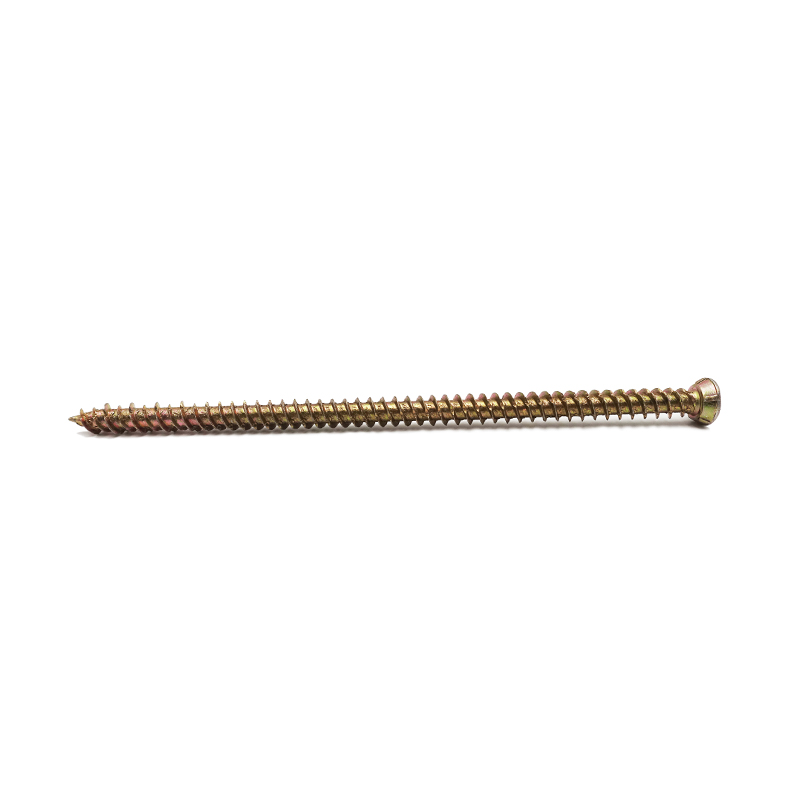
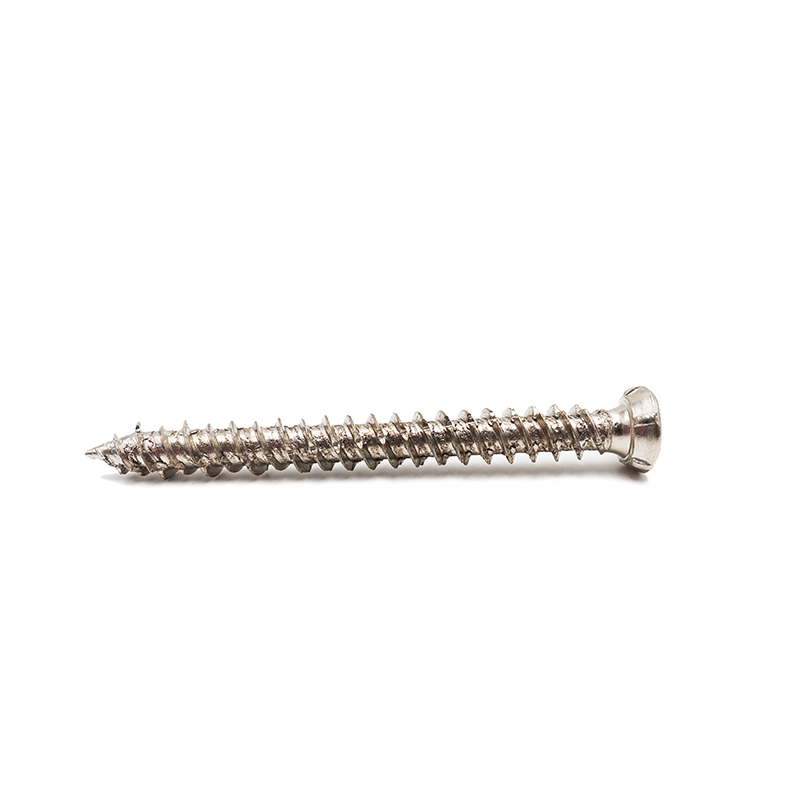
Different screw types serve different purposes. Furniture screws are commonly selected for panel and cabinet assembly. Sheet metal screws are used for certain thin-metal applications. Self-drilling screws may combine drilling and fastening functions in suitable materials. Drywall screws are intended for particular board and framing applications. Roofing screws, hooks, and other specialty fasteners also require their own installation considerations.
Matching the screw to the material is essential. A screw that works well in wood may not be appropriate for masonry or sheet metal. The length, diameter, head style, thread design, and corrosion resistance should all be considered. The drill supports installation, but the fastening system determines much of the final connection performance.
Using the correct driver bit is equally important. A bit that does not fit the screw recess securely may slip, damage the head, or reduce operator control. A properly matched bit transfers force more efficiently and helps maintain alignment during installation.
The manufacturer’s experience with screw production and related hardware can be an advantage in product development and customer support. A company that works across drills and fasteners can better understand how tool characteristics interact with screw geometry, material hardness, surface treatment, and installation conditions.
| Application | Recommended Approach | Important Consideration |
|---|---|---|
| Furniture assembly | Use a suitable driver bit and controlled speed | Avoid over-tightening panels and hinges |
| Wood pilot holes | Select a wood bit with the correct diameter | Mark the location and maintain alignment |
| Light sheet metal | Use a compatible metal bit and moderate pressure | Manage heat and replace dull bits |
| Drywall installation | Use suitable anchors and drywall-rated fasteners | Check for concealed services before drilling |
| Hardware repair | Match the screw head to the driver bit | Prevent slipping and surface damage |
| Outdoor maintenance | Select fasteners with suitable environmental resistance | Consider moisture, corrosion, and storage |
6. Manufacturing Strengths and Process Advantages
The company behind the product operates in the hardware sector and identifies its business with screws, fasteners, stamping parts, metal hooks, and related products. Its manufacturing location is in Haiyan, Jiaxing, Zhejiang, China, while a warehouse is identified in Chonburi, Thailand. This structure provides a useful foundation for serving customers who require hardware products across different markets.
The company’s product categories suggest experience with metal forming, fastening components, packaging, and home tools. Such experience can support a more integrated approach to product development. Rather than viewing the drill as an isolated consumer item, the manufacturer can consider how the tool works with screws, hooks, brackets, and other installation products used in real applications.
6.1 Hardware Manufacturing Experience
Screw and fastener manufacturing requires attention to dimensions, thread consistency, head formation, surface condition, material selection, and packaging. These requirements encourage disciplined production practices and careful inspection. Although the exact process parameters for the cordless drill are not provided, a manufacturer with a hardware background understands the importance of repeatability in products that must fit together during installation.
Stamping-part experience is also relevant. Stamped metal components can be used in brackets, clips, structural supports, protective parts, and other hardware assemblies. Familiarity with metal forming may help the company evaluate component strength, shape consistency, and cost-effective production methods for supporting parts.
6.2 Process Coordination
A modern hardware supplier must coordinate product planning, component sourcing, assembly, inspection, packaging, and shipment. Efficient coordination helps reduce delays and supports consistent order fulfillment. For a cordless drill, this may involve managing the tool body, motor system, battery-related components, charger or charging accessories where applicable, packaging materials, and user documentation.
Process coordination becomes especially important for distributors purchasing products in volume. Retail customers expect consistent appearance, labeling, packaging, and basic functionality across batches. A supplier that manages these elements systematically is better positioned to support repeat orders and private-label or project-based requirements, subject to agreed specifications.
6.3 Quality Control Priorities
Quality control for a rechargeable cordless drill should consider mechanical, electrical, functional, and visual characteristics. Important checks may include trigger operation, forward and reverse rotation, chuck performance, battery connection, charging behavior, abnormal noise, casing condition, and packaging completeness.
For a hardware company, quality control can also extend to associated fasteners and accessories. Screw dimensions, head fit, thread condition, coating appearance, and packaging count all affect the user’s experience. When a drill and fastening products are supplied through the same business relationship, product compatibility and service communication can be easier to manage.
Specific certifications, test standards, battery specifications, and performance ratings should always be confirmed in the official product documentation or commercial quotation. Buyers should not rely on assumptions when the product will be sold in a regulated market or used in a specialized environment.
6.4 China Factory and Thailand Warehouse Support
The identified China factory provides a manufacturing base, while the Thailand warehouse can support regional storage and distribution. For customers in Southeast Asia and nearby markets, regional warehousing may help shorten delivery routes, improve replenishment planning, and simplify the handling of repeat orders.
Warehouse availability can be particularly valuable for retailers and importers. A product does not create commercial value if it cannot be delivered at the required time. Local or regional inventory support may help customers respond to seasonal demand, promotional campaigns, project schedules, and ordinary stock replacement.
At the same time, delivery conditions, available stock, minimum order quantities, export documents, packaging requirements, and product configuration should be confirmed directly with the supplier. The warehouse is a distribution strength, but the exact service arrangement depends on the customer’s market and order plan.

7. Why the Product Can Compete in the Home Tool Market
The cordless drill market includes basic household drills, professional construction tools, specialist installation products, and many private-label options. Competition is therefore not based on one feature alone. Buyers compare portability, operating convenience, reliability, packaging, price, service, accessory compatibility, and supply capability.
The Rechargeable Cordless Drill Home Tool can compete by occupying the practical middle ground between a manual screwdriver and a heavy professional drill. It provides powered operation and mobility without requiring every user to invest in a large construction-oriented tool. This positioning can appeal to household consumers, first-time DIY users, furniture assemblers, small workshops, and general maintenance teams.
Its relationship with a broader fastener manufacturer is another differentiator. A supplier that can discuss screws, hooks, stamping parts, and home tools offers a more complete hardware conversation than a company selling a single isolated product. Customers may be able to source related items through one channel, reduce supplier communication, and coordinate packaging or product assortments more efficiently.
The China production base and Thailand warehouse also create a combination of manufacturing depth and regional availability. One location supports factory production, while the other can assist with distribution planning. This can be helpful for importers that need both product development communication and practical inventory support.
Another competitive advantage is product versatility. The drill is not tied to one narrow application. It can support furniture, household repair, light woodworking, selected metal tasks, storage installation, and general maintenance. Products with multiple credible use cases often have broader retail potential because they can be introduced to different customer groups.
However, responsible marketing should remain accurate. The product should be promoted using confirmed specifications, actual battery information, verified operating functions, and documented safety guidance. Avoiding exaggerated performance claims builds stronger long-term trust with distributors and end users.
8. Recommended Operating Practices
8.1 Select the Correct Bit
The bit should match the material and the task. Wood bits, metal bits, masonry bits, and driver bits are designed with different cutting or engagement characteristics. Using the wrong bit may create poor results, increase heat, damage the workpiece, or place unnecessary stress on the drill.
The bit should be inserted fully and secured in the chuck. Before starting, the operator should check that it is straight and that there is no visible damage. A bent or worn bit can create vibration and reduce accuracy.
8.2 Mark the Work Area
Marking the drilling position helps prevent mistakes. For furniture and visible surfaces, accurate measurement is especially important. A small indentation or pilot mark can help the bit begin at the intended location instead of wandering across a smooth surface.
When installing multiple components, use a template or measuring guide where appropriate. Consistent spacing improves the final appearance and reduces the need to correct misaligned holes.
8.3 Begin Slowly
Starting at a controlled speed allows the operator to check alignment and cutting behavior. Once the bit has established a stable position, speed can be increased when appropriate for the material. Beginning too quickly can cause slipping, surface damage, or sudden tool movement.
When driving screws, slow operation near the final depth can help prevent over-tightening. Users should avoid forcing the tool after the fastener has reached the correct position.
8.4 Maintain a Stable Position
The operator should hold the drill securely with both hands when the task or tool size requires additional control. The workpiece should be supported or clamped whenever possible. Loose materials can rotate, shift, or become damaged when the bit engages.
Stable positioning protects both the user and the material. It also improves the quality of the hole and reduces the likelihood of stripped screw heads.
8.5 Monitor Battery and Tool Condition
Users should recharge the battery according to the supplied instructions and inspect the tool before use. Warning signs may include unusual noise, excessive heat, damaged casing, loose components, erratic operation, or charging problems. A tool showing abnormal behavior should be removed from service until it has been checked.
Battery storage conditions matter. Extreme heat, moisture, impact, and improper charging can reduce service life or create safety risks. The product documentation should take priority over general advice because battery systems and charging requirements can vary.
9. Maintenance and Storage
Regular maintenance helps preserve the usefulness of a rechargeable cordless drill. After use, the operator should remove dust and chips from the body, chuck, ventilation openings, and accessory area. A dry cloth or suitable cleaning method can help keep the tool in good condition.
The drill should be stored in a clean, dry place away from excessive heat and moisture. Bits should be organized so that damaged accessories are not accidentally reused. Keeping the tool and accessories together also improves readiness for future projects.
Inspect the chuck periodically for signs of wear or contamination. Check the power control, direction switch, battery connection, and external casing. Do not modify the tool or bypass safety features. If a repair is needed, use qualified service support and compatible replacement parts.
Fasteners should also be stored correctly. Screws and metal hardware should be protected from moisture, crushing, contamination, and mixing between sizes. Clear labeling helps the user select the right product and reduces installation errors.
10. Purchasing Considerations for Distributors and Retailers
Retailers should evaluate the product according to their target customer. A home-improvement store may focus on DIY convenience, while a furniture supplier may emphasize assembly efficiency. A hardware distributor may present the drill together with screws, driver bits, hooks, brackets, and related installation products.
Packaging is an important commercial factor. Customers need to understand what is included, how the tool is charged, which accessories are supplied, and what applications are recommended. Clear product information can reduce returns and improve buyer confidence.
Distributors should request confirmed information about battery type, charging method, operating controls, available accessories, packaging dimensions, warranty terms, order quantities, and shipping arrangements. If the product will be sold under a private label, artwork, labeling, manuals, and compliance requirements should be agreed before production.
The supplier’s China factory and Thailand warehouse may offer logistical flexibility, but buyers should confirm which facility will handle manufacturing, storage, and shipment for their specific order. Stock availability can change, and regional service arrangements may differ by market.
For repeat purchasing, buyers should also discuss batch consistency. The tool’s external appearance, packaging, included accessories, and product identification should remain consistent unless a change has been formally approved. This is especially important for retailers building a recognizable home-tool range.
11. Environmental and Economic Value
A rechargeable tool can contribute to more efficient household consumption by reducing the need for disposable batteries. The most meaningful environmental benefit comes when the product is used for a long time, maintained properly, and charged responsibly. Durable use reduces the frequency of replacement and helps spread the manufacturing impact across many projects.
From an economic perspective, a multipurpose drill may reduce the number of separate tools needed for basic work. One device can support drilling, screw driving, assembly, and repair tasks. Users still need suitable accessories, but the main powered unit can serve a broad range of activities.
Businesses may also benefit from reduced installation time. Furniture assemblers, property maintenance teams, and small workshops can carry the tool directly to the work area and complete routine fastening without preparing a corded power connection. Time savings depend on the task and user experience, but portability often improves workflow.
Responsible end-of-life handling is important for rechargeable products. Batteries and electronic components should be disposed of or recycled according to local requirements. Retailers and distributors should provide accurate instructions for their market rather than treating the product as ordinary household waste.
12. Frequently Asked Questions
Q1: What is the main purpose of the Rechargeable Cordless Drill Home Tool?
The product is intended for convenient drilling and screw driving in household maintenance, furniture assembly, light woodworking, selected light-metal tasks, and general DIY projects. The cordless design allows the user to work without a direct mains connection.
Q2: Is the drill suitable for professional construction?
It is positioned as a home tool and should be selected according to the actual task requirements. For heavy construction, prolonged drilling, masonry work, or demanding industrial use, buyers should confirm the product’s specific ratings and compare them with the requirements of the application.
Q3: Can the tool be used with furniture screws?
Yes, a cordless drill can be used with suitable driver bits to install furniture screws. The user should match the bit to the screw head, begin at a controlled speed, and avoid excessive torque that could damage panels or strip the fastener.
Q4: Can it drill into concrete or brick?
The answer depends on the confirmed product configuration and the accessories supplied or approved for use. Concrete and brick generally require suitable masonry bits and an appropriate drilling function. Users should consult the product documentation before attempting masonry work.
Q5: How long does the rechargeable battery last?
Operating time depends on the battery capacity, material, bit size, drilling depth, screw length, pressure, speed, and frequency of use. The exact battery capacity and expected runtime should be confirmed from the supplier’s current specification sheet.
Q6: What makes the product different from a corded drill?
Its principal difference is mobility. A rechargeable cordless drill can be used away from a wall outlet and does not require an extension cable. This can make it more convenient for furniture assembly, confined spaces, outdoor maintenance, and quick household repairs.
Q7: What should users check before drilling into a wall?
Users should identify the wall material, select suitable bits and anchors, and check for concealed electrical cables, plumbing, and structural elements. The drilling location should be measured and marked before operation.
Q8: Can the company supply related hardware products?
The supplied company information identifies product categories including screws, fasteners, packages, stamping parts, metal hooks, and home tools. Customers should contact the supplier to confirm available products, specifications, packaging, minimum quantities, and current stock.
Q9: Does the Thailand warehouse serve every market?
The warehouse is identified in Chonburi, Thailand, but service availability depends on destination, stock, order size, shipping terms, and commercial arrangements. Buyers should confirm the shipping location and delivery conditions for each order.
Q10: What information should a buyer request before placing an order?
Buyers should request the current product specification, battery and charging details, included accessories, packaging information, safety instructions, warranty terms, available quantities, lead time, shipment options, and any applicable compliance documentation.
13. Conclusion
The Rechargeable Cordless Drill Home Tool LZ000RD000002 is designed around a practical need: making drilling and fastening more mobile, accessible, and efficient. Its cordless format supports work in rooms, workshops, storage areas, furniture interiors, and outdoor locations without dependence on a nearby outlet. Its ability to accept drilling and driver accessories allows one tool to support many ordinary maintenance and DIY tasks.
Compared with manual screwdrivers and corded alternatives, the product offers powered operation, freedom of movement, and broad practical usefulness. Compared with larger professional drills, its home-tool positioning may make it more approachable for everyday users who need convenience rather than heavy-duty capacity.
The manufacturer’s wider hardware background adds another important strength. Experience with screws, fasteners, stamping parts, metal hooks, packaging, and related products can support better understanding of real installation requirements. The China factory provides a production base, while the Thailand warehouse may support regional distribution and inventory planning.
For the best results, the drill should be matched with the correct bit, fastener, material, and operating method. Buyers should confirm all technical specifications before purchase, and users should follow the supplied safety and charging instructions. When selected and maintained appropriately, a rechargeable cordless drill can become a dependable part of a home toolkit, furniture installation system, workshop, or general hardware product range.
References
1. General principles of portable electric power-tool selection and safe operation.
2. Basic guidance for drilling, screw driving, pilot-hole preparation, and furniture assembly.
3. General hardware practices for selecting screws according to substrate, thread, head style, and installation purpose.
4. Battery-powered tool maintenance, charging, storage, and end-of-life handling guidance.
5. Product and company information supplied for the Rechargeable Cordless Drill Home Tool LZ000RD000002.