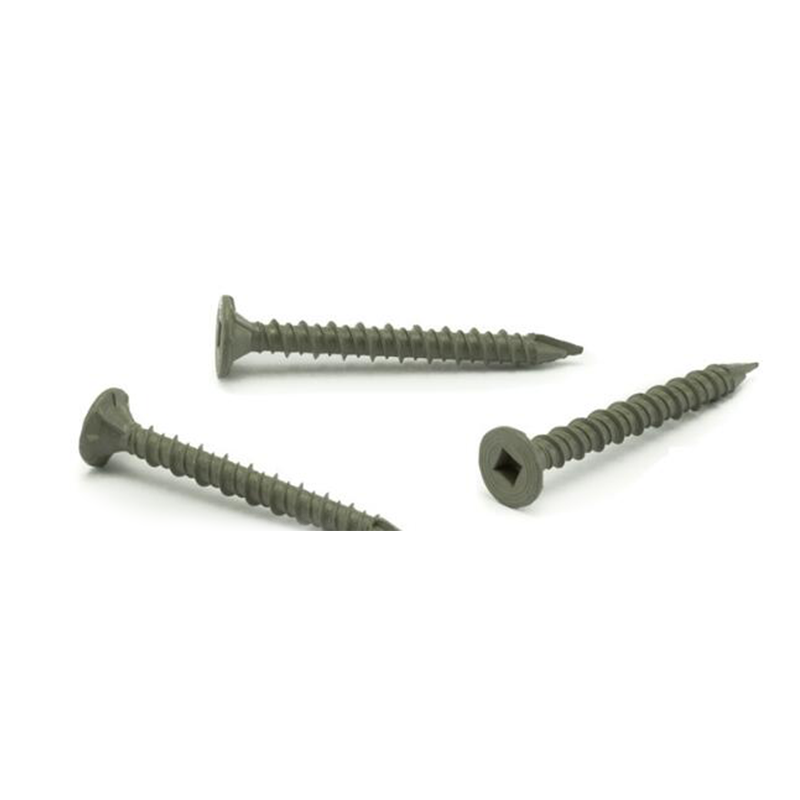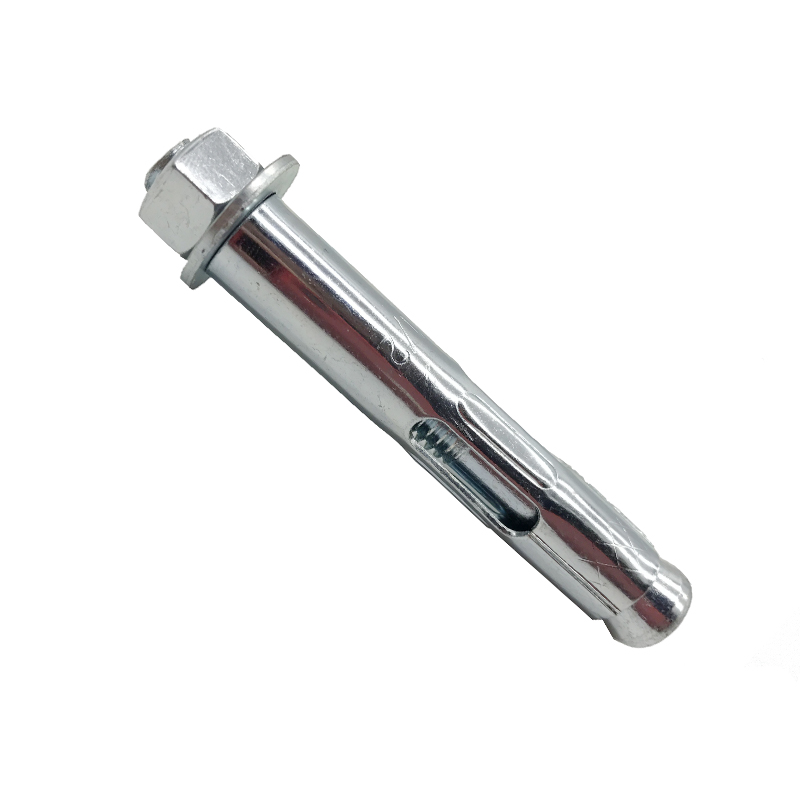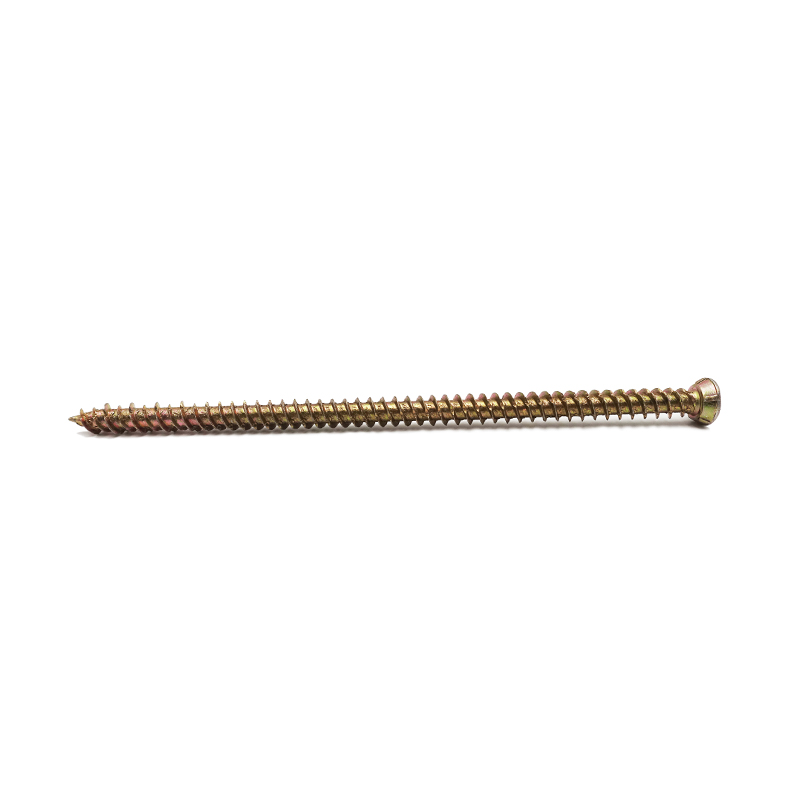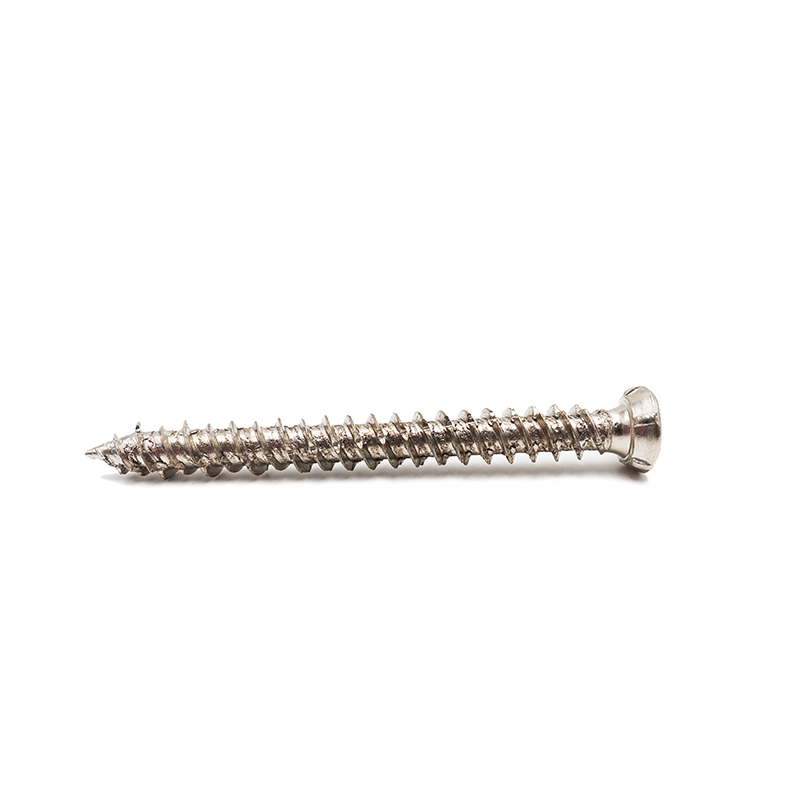
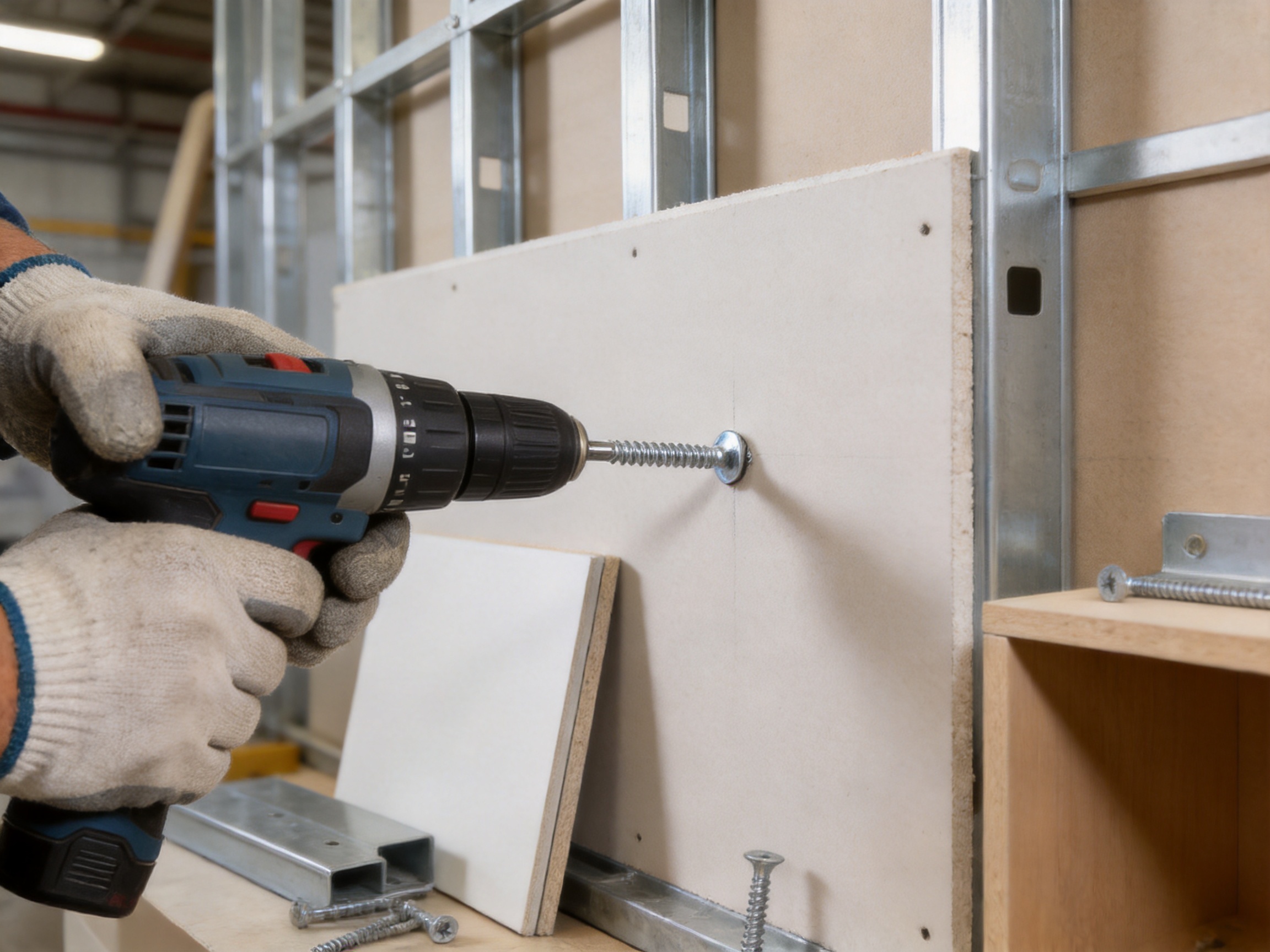
Phillips bugle head self-drilling screws with zinc-plated surfaces are designed for fast, practical, and dependable fastening in a wide range of construction, interior finishing, furniture, light fabrication, and general hardware applications. By combining a sharp self-drilling point, a recessed Phillips drive, a bugle-shaped head, and a corrosion-resistant zinc finish, this screw provides a balanced solution for installers who need speed, clean appearance, and consistent holding performance.
Unlike ordinary screws that require a separately drilled pilot hole, self-drilling screws are manufactured with a drill-point geometry capable of penetrating suitable sheet metal, light-gauge steel, and other compatible materials. This integrated drilling capability can reduce the number of installation steps, minimize tool changes, and improve productivity on repetitive fastening jobs. The Phillips bugle head also helps the screw seat neatly into many boards and panels, making it especially useful where a relatively flush finish is required.
Lizhan Hardware Co., Ltd. supplies this product in multiple diameters, head styles, drive recesses, lengths, thread configurations, and surface treatments. Its production range includes Phillips, square, and Torx recesses; bugle, hex washer, flat, pan, wafer, and pan-framing heads; and finishes such as zinc plating, yellow zinc plating, black phosphate, Ruspert, and Magni coatings. This broad manufacturing capability allows distributors, contractors, furniture manufacturers, and industrial buyers to select a configuration suited to a particular substrate and working environment.
Product Overview
The product is a Phillips bugle head self-drilling screw with a zinc-plated surface. It is generally produced from C1022A carbon steel, a material commonly used for cold-forming and mechanical fasteners. The steel provides a practical combination of formability, strength, thread integrity, and suitability for high-volume screw production.
The screw is identified by several functional features. The Phillips recess allows installation with widely available driver bits. The bugle head distributes pressure around the entry point and can help reduce surface damage when the fastener is driven into appropriate board or panel materials. The self-drilling point is formed to initiate penetration without a conventional pilot hole in compatible applications. Zinc plating adds a bright metallic appearance and provides a level of protection against ordinary atmospheric exposure.
These features make the screw suitable for many jobs where installation speed and a clean finished surface are important. Typical applications may include drywall and interior board installation, light sheet-metal fastening, metal-to-board assembly, furniture components, cabinetry support work, packaging-related fittings, and general repair or fabrication projects. The exact application should always be evaluated according to the screw diameter, length, point design, substrate thickness, load requirements, and environmental conditions.
| Product characteristic | Available specification or feature | Practical benefit |
|---|---|---|
| Drive recess | Phillips; square and Torx options are also available | Supports common installation tools and different buyer preferences |
| Head design | Bugle head; other head styles available | Helps achieve controlled seating and a relatively neat surface |
| Diameter range | #6-3.5, #8-4.2, #10-4.8, #12-5.5, #14-6.3 | Allows selection according to material thickness and holding requirements |
| Material grade | C1022A | Provides a practical carbon-steel base for formed threaded fasteners |
| Standards | ASTM, DIN 7504K, DIN 7504P, DIN 7504N | Supports specification-based purchasing and product comparison |
| Surface treatment | Zinc plated and other coating options | Improves appearance and helps protect the steel surface |
| Thread options | BSD thread and CSD thread | Permits matching to different drilling and fastening conditions |
How the Screw’s Design Supports Efficient Installation
Self-drilling point
The self-drilling point is one of the most important features of this product. A correctly formed point begins cutting into the target material as rotational force is applied. In an appropriate material combination, the operator may not need to drill a separate pilot hole before inserting the screw. This can shorten the installation sequence and reduce the handling of separate drill bits.
Self-drilling performance depends on more than the existence of a pointed tip. The geometry, hardness, point length, thread form, and body strength must work together. If the point is too soft, it may deform before penetrating the material. If it is poorly formed, it may wander or require excessive pressure. If the screw body lacks suitable toughness, the fastener may twist or break during installation. For this reason, manufacturing consistency is essential to the practical value of a self-drilling screw.
For installers, a reliable drilling point can improve repetitive work. On a production line or a large interior project, even a small time saving per screw can result in a meaningful reduction in labor time. Fewer operations can also help simplify work instructions and reduce the chance that a separate pilot hole is positioned incorrectly.
Phillips drive recess
The Phillips recess remains widely used because Phillips driver bits are readily available in hand tools, cordless screwdrivers, and automated equipment. This makes the product accessible to many users without requiring specialized tooling. The recess is designed to receive the driver and transfer rotational force to the screw head.
Correct bit selection is important. The bit should match the recess size and should be replaced when worn. A properly fitting bit reduces cam-out, protects the recess, and helps the operator maintain control of the driving process. In high-volume use, selecting suitable torque and speed settings is equally important. Excessive speed or force can damage the recess, strip the head, or drive the screw too deeply into the substrate.
For buyers who prefer a different drive system, the same general production range includes square and Torx recess options. These alternatives may be selected for applications requiring a different balance of bit engagement, automation compatibility, or installer preference.
Bugle head geometry
The bugle head has a curved underside that transitions gradually from the head into the screw body. This geometry is commonly associated with board, panel, and interior finishing applications because it can spread the contact pressure over a broader area than a narrow flat underside. When driven to the correct depth, it may help produce a neat, controlled seat without an excessively sharp shoulder cutting into the surface.
A bugle head should not be treated as a universal substitute for every other head design. The appropriate head depends on the application, the material, the required clamping force, and the desired appearance. For example, a hex washer head may be preferred for certain sheet-metal applications, while a flat head may be selected where a more fully countersunk finish is required. Lizhan Hardware’s ability to produce several head styles gives customers flexibility beyond a single screw configuration.
Zinc-plated surface
Zinc plating provides a bright, clean appearance and helps protect the underlying carbon steel from ordinary atmospheric corrosion. The zinc layer acts as a protective barrier and can offer sacrificial protection under certain conditions. This makes zinc-plated screws suitable for many indoor and general-purpose applications where exposure is moderate.
Surface selection should be based on the actual service environment. Indoor dry areas, covered construction zones, and ordinary workshop conditions may be suitable for zinc-plated screws. More demanding environments involving persistent moisture, salt spray, chemicals, or outdoor exposure may require a different coating system, stainless steel, or an engineered corrosion-resistant finish. The production range includes black phosphate, yellow zinc plating, Ruspert, and Magni options, allowing the fastener to be matched more closely to the application.
Coating thickness, adhesion, appearance, and consistency all influence the value of a plated screw. A surface treatment must protect the product without interfering with thread fit, point function, or drive engagement. Controlled production and inspection are therefore important from the cleaning and plating stages through final packaging.
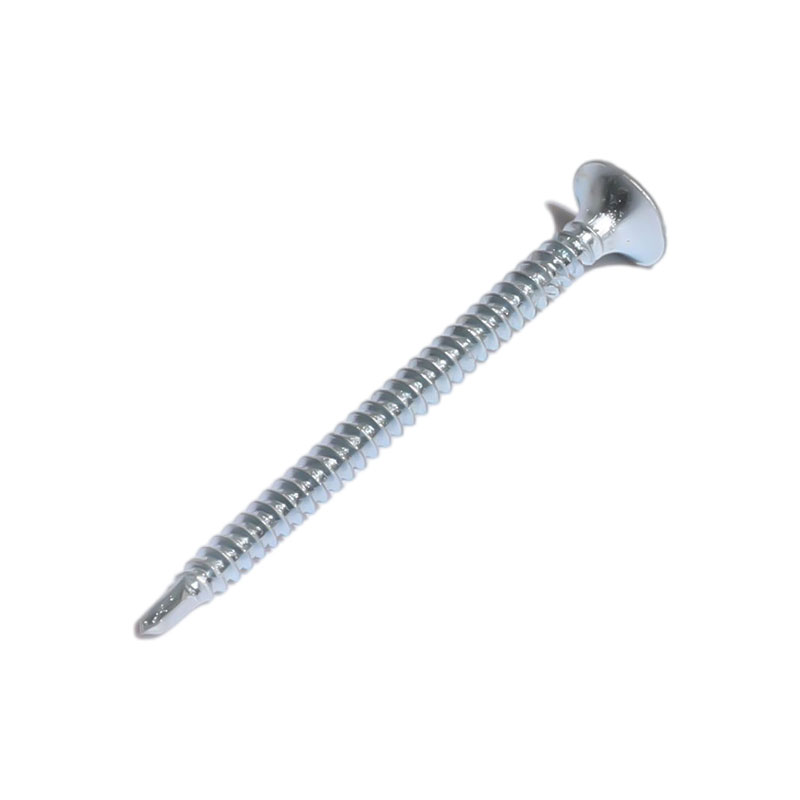
Phillips bugle head self drilling screws zinc plated
Available Sizes and Configuration Options
The listed diameter range extends from #6-3.5 through #14-6.3. The first number represents the nominal screw size in an inch-based designation, while the metric figure indicates an approximate nominal diameter in millimeters. The correct diameter depends on the substrate, the expected load, the required pull-out resistance, and the available clearance around the fastening point.
Smaller diameters may be suitable for lighter board, trim, furniture, and general assembly work. Larger diameters can provide a greater cross-sectional area and may be selected for heavier fastening duties, thicker materials, or increased holding requirements. Diameter alone does not determine performance. Thread form, penetration depth, screw length, material hardness, installation torque, and joint design are also important.
The supplied material information does not specify a single standard length range. Length should therefore be confirmed when requesting a quotation or placing an order. Buyers should provide the total material thickness, desired penetration, head seating requirement, and any clearance or embedment restrictions. Correct length selection helps avoid insufficient engagement, excessive breakthrough, or interference with hidden components.
Thread options include BSD and CSD thread configurations. These thread forms can be selected according to the intended material combination and drilling behavior. A buyer should identify whether the screw will be used in board, sheet metal, light steel, or a mixed-material assembly. Matching the thread and point to the substrate can improve installation speed, holding performance, and overall job reliability.
In addition to the Phillips bugle head configuration, the production range includes multiple head and recess combinations. This is valuable for distributors and original equipment manufacturers that want to consolidate purchasing with one experienced fastener supplier. Instead of sourcing every configuration from a different factory, a buyer may coordinate several related items through one manufacturing system while maintaining consistent documentation and supply communication.
Manufacturing Materials and Process Strengths
C1022A carbon steel
C1022A is a widely used carbon-steel material for self-drilling and tapping screw production. Its suitability comes from a useful balance between workability and finished fastener performance. The steel can be formed into a screw blank, threaded, pointed, and headed through a sequence of cold-forming and machining operations. When the product specification requires it, further heat treatment can be used to develop the mechanical properties necessary for drilling and fastening.
Material control is a fundamental part of manufacturing quality. Steel wire or raw material must be received, identified, and managed according to the production specification. Consistent material chemistry supports stable forming behavior and helps reduce variation in the finished screw. Traceability can also assist with production review, customer documentation, and investigation of any quality issue.
Cold forming and heading
Fastener manufacturing commonly begins with wire preparation and cold forming. The wire is cut into suitable blanks, and heading equipment forms the screw head and drive recess. The bugle profile requires accurate control of the forming dies because the transition between the head and shank influences seating behavior and visual consistency.
Well-maintained tooling supports repeatable dimensions and reduces defects such as incomplete head formation, off-center recesses, sharp edges, and surface damage. Production personnel must monitor die wear because gradual wear can alter the head profile or drive depth. A stable forming process contributes to reliable driver engagement and consistent finished appearance.
Thread rolling
Threads are commonly formed by rolling rather than cutting. Thread rolling displaces material to create the thread profile and can provide a strong, continuous grain structure around the thread. It also supports high-volume production and produces a smooth, consistent thread when the tooling is correctly selected and maintained.
Thread quality affects installation torque, holding strength, and the ability of the screw to advance through the material. Important characteristics include pitch, major diameter, minor diameter, thread crest, thread flank, and the transition between the threaded section and drilling point. Inspection of these features helps verify that the screw will work as intended with the specified substrate and driver equipment.
Point forming
The self-drilling point requires particular attention. The point must be sharp and accurately formed while retaining enough strength to withstand the initial penetration stage. The point design can influence how quickly the screw starts, how much pressure is needed, how chips are produced, and whether the screw remains centered during installation.
Point forming must be coordinated with the thread design. The cutting action of the point begins the hole, while the following threads establish engagement and advance the screw. If these two areas are not properly balanced, the screw may rotate without advancing efficiently, create excessive heat, or require an unsuitable amount of driving force.
Heat treatment and hardness control
Self-drilling screws must balance drilling capability with resistance to torsional failure. A screw that is too soft may not drill effectively, while one that is excessively hard may become brittle under certain conditions. Heat treatment, when required by the product specification, is used to achieve an appropriate combination of surface hardness, core strength, and toughness.
Hardness testing and mechanical evaluation provide useful evidence that the product is within the intended performance range. Depending on the order and applicable requirements, inspections may include drilling tests, torque tests, hardness checks, dimensional checks, coating evaluation, and visual examination. The exact test plan should be agreed with the buyer when a specific standard or project requirement applies.
Surface treatment and finishing
After forming and heat treatment, screws may undergo cleaning, surface preparation, plating, rinsing, drying, and final inspection. Zinc plating must be applied evenly enough to provide a consistent appearance and protective layer without filling the drive recess or obstructing the threads. Process control is important because excessive buildup can affect fit, while insufficient or uneven coverage can reduce corrosion protection.
Different customers may require different finishes. Black phosphate can provide a dark appearance and is often associated with interior fastening applications. Yellow zinc offers a colored plated finish. Ruspert and Magni coatings may be considered for applications where enhanced corrosion performance or a particular technical specification is required. The appropriate finish should be selected based on the environment, cost target, appearance, and required performance.
Sorting, inspection, and packing
After finishing, products should be checked for mixed sizes, damaged heads, incomplete threads, bent bodies, defective points, and coating irregularities. Sorting and packaging are especially important for distributors because a clean, correctly labeled package reduces warehouse errors and supports efficient resale.
Packaging can be arranged according to customer requirements, including bulk cartons, smaller retail-ready units, labeled boxes, or other approved packing formats. Buyers should specify quantity per package, carton markings, labeling language, barcode needs, and pallet requirements at the inquiry stage. Clear packaging information helps preserve product identity throughout shipping, warehousing, and final installation.
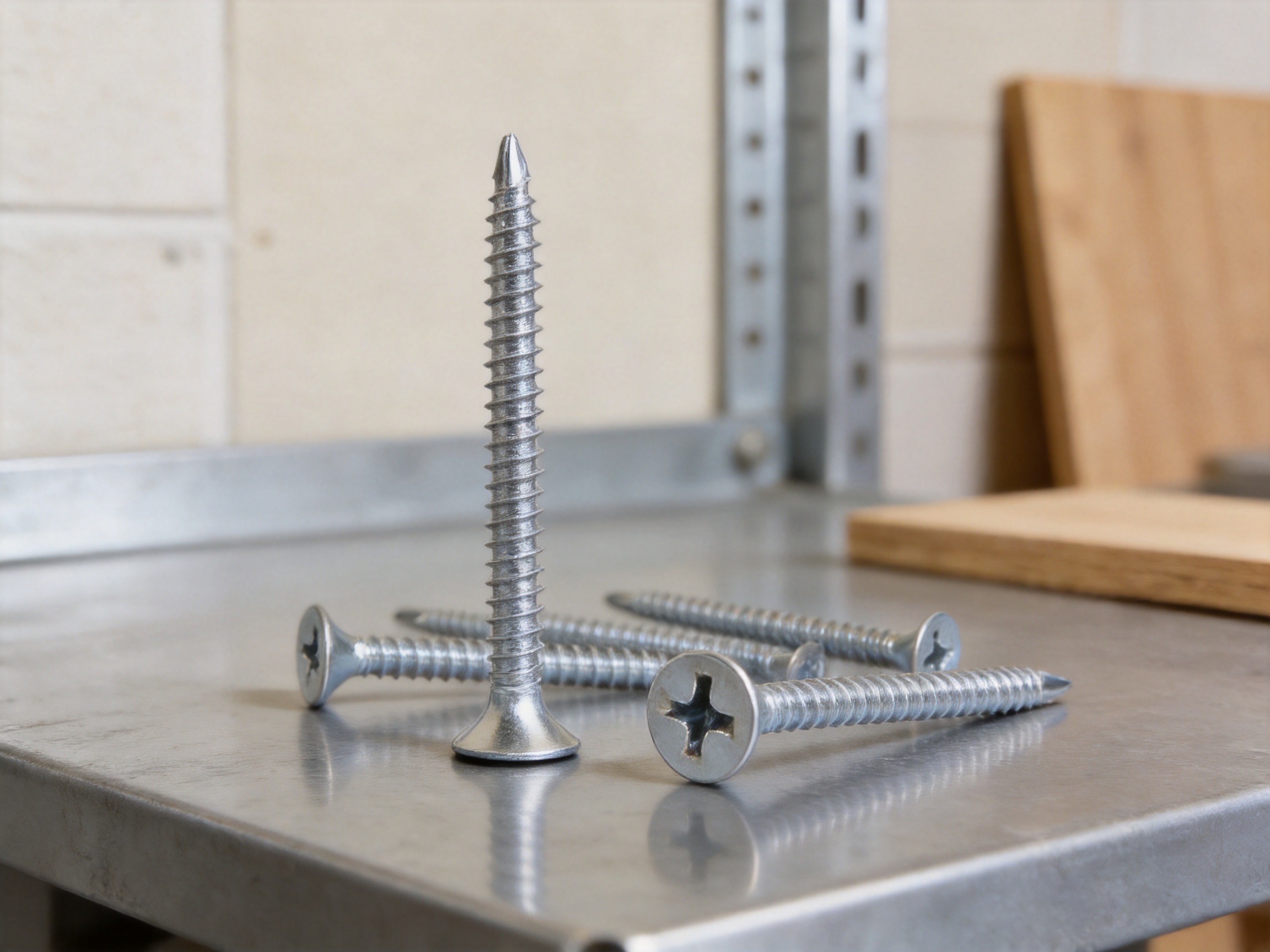
Advantages Compared with Ordinary Fastening Alternatives
Reduced installation steps
A conventional screw may require a pilot hole before installation, particularly when the substrate is hard, brittle, or prone to splitting. The self-drilling design can combine hole creation and fastening into one operation when used within its intended range. This can reduce setup time and make the installation process more straightforward.
The productivity advantage becomes more noticeable when many fasteners are required. Repetitive work benefits from fewer tool changes and fewer pauses to locate a drill bit. On a manufacturing line, this may support more consistent cycle times. On a construction project, it can help installers complete more fastening points during the same work period.
Broad configuration choice
Many competing products are offered in only one or two combinations of diameter, head, finish, and recess. A broad production range provides greater flexibility. Buyers can select a Phillips bugle head version for one application, a hex washer head version for another, and an alternative coating for a more demanding environment while working with the same general supplier.
This flexibility can simplify purchasing and reduce the administrative burden of managing numerous small suppliers. It may also help distributors create a more complete product range for their customers. For original equipment manufacturers, configuration flexibility can support product development and allow the fastener to fit specific assembly equipment or design requirements.
Suitable appearance for visible interior work
The bugle head and zinc-plated surface can provide a clean, commercially familiar appearance. In interior construction, furniture assembly, and general workshop use, buyers often want a fastener that performs reliably without looking unnecessarily heavy or unfinished. The bright zinc appearance and controlled head profile can support that requirement.
Compatibility with common tools
Phillips bits are available in many regions and across a wide variety of power tools. This reduces the barrier to adoption compared with a less common drive system. Users can generally work with standard cordless screwdrivers, electric drivers, or manual tools, provided the bit size and torque are appropriate.
Potential supply-chain efficiency
A manufacturer capable of supplying multiple standards, coatings, head styles, and sizes can offer purchasing efficiency. Lizhan Hardware Co., Ltd. operates a China factory and maintains a Thailand warehouse location, giving international customers an additional logistics point to discuss when planning supply. The practical benefit depends on stock availability, order quantity, destination, and agreed delivery terms, but regional warehousing can be useful for selected markets.
For importers and distributors, supply reliability is influenced by more than factory capacity. It also depends on communication, production planning, inspection, packaging accuracy, and shipping coordination. A supplier that can discuss all of these elements in one purchasing relationship may offer an advantage over fragmented sourcing arrangements.
Application Guidance
Drywall and interior board
Bugle head screws are frequently considered for drywall, gypsum board, and related interior panel applications. The curved head can help the installer seat the screw into the board surface in a controlled manner. The screw should be driven only far enough to achieve the intended seat. Driving too deeply may damage the facing paper or weaken the board around the fastening point.
The selected length should provide adequate engagement with the supporting structure without excessive penetration. Where the screw is used with metal framing, the point and thread must be suitable for the framing thickness. Where it is used with wood or board support, the buyer should confirm that the thread configuration is intended for that material.
Light sheet metal and metal-to-board assembly
Self-drilling screws can be used for certain light sheet-metal assemblies when the diameter, point, thread, and coating are properly matched. The installer should consider sheet thickness and hardness. A screw designed for thin material may not be appropriate for thicker steel, and a product intended for metal-to-board fastening may not provide the desired result in a structural connection.
During installation, the driver should be held perpendicular to the surface. Excessive lateral pressure can cause the point to wander, damage the recess, or create an enlarged hole. A stable tool setting and appropriate rotational speed help the point engage efficiently.
Furniture and cabinetry
The screw may be considered for furniture components, cabinet frames, panels, and related hardware applications where a neat head profile and rapid installation are beneficial. Furniture manufacturers should evaluate the screw against the board density, edge distance, joint design, and desired appearance. Pre-testing is recommended because different engineered boards can respond differently to drilling and thread engagement.
For visible furniture surfaces, the selected head style and finish should match the design. The Phillips bugle head may be suitable for concealed or semi-concealed fastening points, while a flat or decorative head may be preferred where the screw remains visible.
Packaging and general hardware assemblies
Light packaging fixtures, brackets, workshop structures, and general hardware assemblies may also use self-drilling screws. The product can be useful when the assembler needs a compact fastener that can penetrate a compatible material without a separate pilot-hole operation.
These applications should not be confused with high-load structural engineering connections. The screw must be selected according to the actual load, vibration, environmental exposure, and safety requirements. If the assembly is critical to personal safety or structural integrity, the responsible engineer should specify the fastener and verify its performance.

Installation Best Practices
Before beginning work, confirm the screw size, length, coating, and thread type. Check that the material combination is within the intended application range. A self-drilling screw is not automatically suitable for every metal thickness, board type, or load condition.
Use a driver bit that fits the Phillips recess correctly. A worn or undersized bit increases the likelihood of cam-out and head damage. The driver should be aligned with the screw axis, and the operator should apply steady pressure rather than forcing the screw at an angle.
Choose a moderate starting speed and allow the point to establish engagement. Once the screw has penetrated the surface, the driver can continue at a suitable speed until the head reaches the intended seating depth. Avoid excessive torque because over-driving can strip the recess, damage the board, deform thin sheet metal, or reduce the holding quality of the joint.
For repeated production work, a clutch-controlled screwdriver can improve consistency. A controlled clutch helps prevent wide variation in seating depth and reduces operator fatigue. Automated equipment should be tested with the exact screw and material combination before full production begins.
Keep screws dry and protected from contamination before installation. Damaged packaging, prolonged exposure to moisture, or contact with incompatible chemicals may affect the surface finish. Finished assemblies should also be evaluated for galvanic compatibility if the screw will contact dissimilar metals in a humid or corrosive environment.
Quality Assurance and Buyer Evaluation
Professional buyers should evaluate more than appearance and price. Important considerations include dimensional consistency, drilling performance, drive strength, thread accuracy, coating quality, packaging reliability, and documentation. A sample approval process can help confirm that the selected configuration matches the intended application.
Dimensional checks may include overall length, diameter, head diameter, head height, recess dimensions, thread dimensions, and point geometry. Visual inspection can identify burrs, cracks, incomplete heads, bent screws, coating stains, and mixed products. Functional tests can evaluate drilling time, installation torque, stripping resistance, and holding performance in representative materials.
When purchasing to ASTM or DIN 7504 requirements, the buyer should define the applicable product type and acceptance criteria. DIN 7504 includes different designations associated with self-drilling screw forms, and the precise selection should correspond to the desired head and point configuration. Standards references should be confirmed in the quotation and technical documentation rather than assumed from a general product description.
Inspection frequency may depend on order size, application risk, and customer quality procedures. For routine distribution products, sampling inspection may be appropriate. For a specialized industrial assembly, a more detailed first-article inspection and ongoing process-control plan may be required. Lizhan Hardware can be contacted to discuss specification details, sample requirements, and available production arrangements.
Manufacturing and Supply Strengths
Lizhan Hardware Co., Ltd. focuses on screws and related hardware products, including self-drilling screws, drywall screws, roofing screws, furniture screws, fasteners, stamping parts, and metal hooks. This product breadth indicates experience with multiple screw geometries and finishing requirements rather than dependence on one isolated item.
The company’s listed production range includes several internationally recognized standards and a variety of surface treatments. This is useful for customers serving different markets because the same supplier can discuss products based on dimensional standards, application requirements, or finish preferences. Such flexibility can shorten the process of developing a suitable purchasing specification.
Manufacturing capability is strengthened when forming, threading, point production, finishing, sorting, and packing are coordinated within a controlled production system. Coordinated operations can reduce handoffs, improve communication between stages, and make it easier to investigate dimensional or functional variation. For buyers, this can translate into more stable product quality and clearer technical communication.
The company provides a China factory address in Haiyan, Jiaxing City, Zhejiang, and a Thailand warehouse address in Chonburi. Customers can contact the sales team to confirm available stock, production lead time, packaging, export arrangements, and warehouse dispatch options. The presence of a warehouse location may be particularly useful for discussing regional inventory planning, although actual availability should be verified for each order.
International buyers may also benefit from direct communication through the company’s listed sales contacts and messaging channels. Clear communication is important when confirming product drawings, samples, coating requirements, carton markings, tolerances, inspection procedures, and shipment schedules. A detailed written specification remains recommended even when orders are discussed through instant messaging.
Selection Guide for Distributors and Project Buyers
Start by identifying the substrate. State whether the screw will be installed in gypsum board, wood-based board, light-gauge steel, sheet metal, or a mixed assembly. Include material thickness and hardness where known. This information helps the supplier recommend a suitable point and thread configuration.
Next, define the required head and drive. A Phillips bugle head may be appropriate for many interior and panel applications, but a hex washer head, flat head, pan head, wafer head, or pan-framing head may be better for other designs. Recess selection should consider installer preference, available tools, automated equipment, and expected torque.
Specify the coating based on the environment rather than color alone. Zinc plating may be suitable for ordinary indoor or moderately protected conditions. If the product will be exposed to persistent moisture, salts, chemicals, or outdoor weather, request technical advice about yellow zinc, Ruspert, Magni, or another suitable system. Coating claims should be supported by agreed test requirements when corrosion performance is critical.
Define the quantity and packaging format early. Bulk cartons may be economical for industrial users, while smaller labeled packs may be more suitable for hardware distribution. Include requirements for carton weight, palletization, labels, lot identification, and inspection documents in the purchase order.
Finally, request samples or a pilot order for a new application. Installation trials can reveal whether the screw starts quickly, drills the material cleanly, seats at the desired depth, and provides adequate holding performance. Realistic testing is especially important when the fastener will be used in a new board, coating, framing material, or automated assembly system.
Environmental and Storage Considerations
Zinc-plated screws should be stored in a clean, dry, well-ventilated area. Avoid direct contact with water, condensation, corrosive chemicals, and damp wood or packaging materials. Boxes should remain intact until the product is needed, and opened cartons should be resealed when possible.
Good storage practice helps preserve the coating and prevents surface staining or premature corrosion. Temperature changes can create condensation inside packaging, particularly when cartons move between cold transportation conditions and warm storage areas. Allowing materials to acclimate in a dry environment and avoiding exposure to direct moisture can reduce this risk.
Stock rotation is also useful. Distributors should manage inventory by lot or receipt date so older stock is used appropriately and product traceability is maintained. If unusual discoloration, white corrosion products, damaged packaging, or mixed sizes are discovered, the affected material should be separated and reviewed before shipment or installation.
Why Specification-Based Sourcing Matters
Fasteners can appear similar while performing differently in actual use. Two screws may have the same nominal diameter but differ in point geometry, hardness, thread form, head dimensions, coating thickness, or material grade. These differences can influence installation time and joint reliability.
Specification-based sourcing reduces uncertainty. The purchase description should identify the head, drive, diameter, length, material, standard, thread, finish, packaging, and inspection requirements. For larger or recurring orders, an approved drawing or sample should be linked to the purchase documentation.
This approach also makes comparison between suppliers more meaningful. Instead of comparing only unit prices, buyers can evaluate total value, including drilling efficiency, rejection rates, labor time, coating performance, packaging accuracy, delivery reliability, and technical support. A screw with a slightly higher purchase price may provide a lower installed cost if it reduces rework and speeds up assembly.
Q&A
What is a Phillips bugle head self-drilling screw?
It is a screw with a Phillips drive recess, a bugle-shaped head, and a self-drilling point. The point can create an opening in suitable materials as the screw is driven, while the threads engage the material and the bugle head seats against the surface.
What material is used for this product?
The listed material grade is C1022A carbon steel. This type of steel is widely used for formed and threaded fasteners because it offers suitable workability and mechanical performance for many general-purpose applications.
What sizes are available?
The stated diameter range includes #6-3.5, #8-4.2, #10-4.8, #12-5.5, and #14-6.3. Length should be confirmed according to the project or assembly requirement because the supplied product information does not specify one fixed length range.
Is zinc plating suitable for outdoor use?
Zinc plating can provide useful protection in ordinary conditions, but suitability depends on the level and duration of exposure. Persistent rain, salt, chemicals, or high humidity may require a more corrosion-resistant coating or material. The application environment should be discussed with the supplier before selection.
Can the screw be used in every type of metal?
No. Self-drilling performance depends on the metal’s thickness, hardness, and composition, as well as the screw’s point and thread design. Testing or technical confirmation is recommended for thick, hardened, structural, or unfamiliar metals.
What is the advantage of the bugle head?
The bugle head provides a gradual underside transition that can help distribute contact pressure and produce a controlled seat in suitable boards and panels. It is often selected for interior finishing and panel applications where a relatively neat appearance is desired.
Why is the Phillips recess widely used?
Phillips driver bits are widely available and compatible with many hand tools, cordless screwdrivers, and production drivers. This makes the screw convenient for users who already have standard Phillips equipment.
Can other drive recesses be supplied?
Yes. The listed production range includes Phillips, square, and Torx recesses. The preferred recess should be specified according to the installation tools, torque requirements, automation system, and customer preference.
What other surface treatments are available?
The listed options include black phosphate, zinc plated, yellow zinc plated, Ruspert, and Magni. The best choice depends on corrosion exposure, appearance, performance requirements, and budget.
How should buyers confirm the correct screw length?
Buyers should provide the thickness of the materials being joined, the required penetration depth, the desired head seating, and any restrictions behind the assembly. The supplier can then help confirm an appropriate length for sampling or quotation.
Are these screws suitable for structural connections?
They should not be assumed suitable for structural or safety-critical connections without engineering evaluation. Structural applications require appropriate design calculations, standards, testing, and project approval. The product is more generally positioned for compatible construction, interior, furniture, light fabrication, and hardware applications.
What should be checked during incoming inspection?
Check the product size, head and drive configuration, point condition, thread consistency, coating appearance, packaging labels, quantity, and lot information. Functional sampling can also be performed when drilling performance or installation torque is important.
How can buyers request technical support?
Buyers can contact Lizhan Hardware Co., Ltd. through the listed sales contacts to discuss samples, drawings, standards, coatings, packaging, warehouse availability, and delivery requirements. Providing complete application information will help the supplier recommend a more suitable configuration.
Conclusion
Phillips bugle head self-drilling screws with zinc plating offer a practical combination of efficient installation, familiar tooling, controlled head seating, and a clean protective finish. Their value comes from the interaction of several details: C1022A carbon-steel material, accurately formed self-drilling points, consistent threads, a suitable bugle head, a reliable Phillips recess, and carefully applied surface treatment.
Compared with ordinary screws that require a separate pilot-hole operation, the self-drilling design can simplify compatible fastening work and improve productivity. Compared with narrowly specified products, the broader production range provides more choices in diameter, head style, drive recess, thread, standard, and coating. These options help buyers match the fastener to the substrate, environment, equipment, and desired appearance.
Lizhan Hardware Co., Ltd. supports this product with a broad screw manufacturing range, multiple finishing capabilities, China factory production, and a Thailand warehouse location for supply discussions. Buyers seeking reliable results should provide a complete technical specification, verify the intended application, request samples when necessary, and confirm quality and packaging requirements before placing a production order.
When correctly selected and installed, this screw can support efficient work in drywall, interior panels, furniture, light sheet metal, packaging fixtures, and general hardware assemblies. Its strongest advantage is not one isolated feature, but the balanced combination of drilling performance, installation convenience, head design, coating choice, manufacturing flexibility, and supplier support.
References
1. ASTM International. Standards and guidance for carbon-steel mechanical fasteners and dimensional product evaluation.
2. Deutsches Institut für Normung. DIN 7504 series, self-drilling screw requirements and product designations.
3. International Organization for Standardization. General principles for dimensional inspection, surface treatment, and quality management of fasteners.
4. Fastener engineering handbooks covering thread rolling, cold heading, heat treatment, torque control, and installation practice.
5. Industrial coating references covering zinc plating, phosphate finishes, sacrificial corrosion protection, and coated fastener storage.
6. Manufacturer-provided product range information for Phillips bugle head self-drilling screws, C1022A material, available dimensions, standards, threads, and surface treatments.