Introduction
A multifunction angle mill wrench is a compact but highly practical tool designed to support fastening, adjustment, installation, and maintenance work in workshops, construction environments, machinery rooms, furniture production areas, and household repair applications. By combining several useful functions in one carefully shaped tool, it helps users reduce the number of separate tools they need to carry while improving convenience in areas where access is limited.
The multifunction angle mill wrench presented in this article is categorized as an AT Tool and is developed for users who value flexibility, reliable handling, and efficient operation. Its angled structure is particularly useful when working around corners, recessed fasteners, narrow spaces, and components positioned close to adjacent surfaces. Instead of relying only on a straight wrench or a large collection of individual tools, users can use a single compact wrench to perform a broader range of everyday tasks.
For professional buyers, the value of this type of product extends beyond its basic function. Tool performance is influenced by material selection, forging or stamping control, dimensional accuracy, heat treatment, surface finishing, inspection standards, packaging quality, and supply reliability. A product that looks simple on the outside still requires disciplined manufacturing processes to achieve consistent performance in real working conditions.
This article examines the product’s functional advantages, practical applications, design characteristics, manufacturing process, quality-control approach, customization potential, packaging considerations, and suitability for distributors and professional users. It also explains why an angle wrench with multiple functions can offer meaningful advantages over conventional single-purpose alternatives.
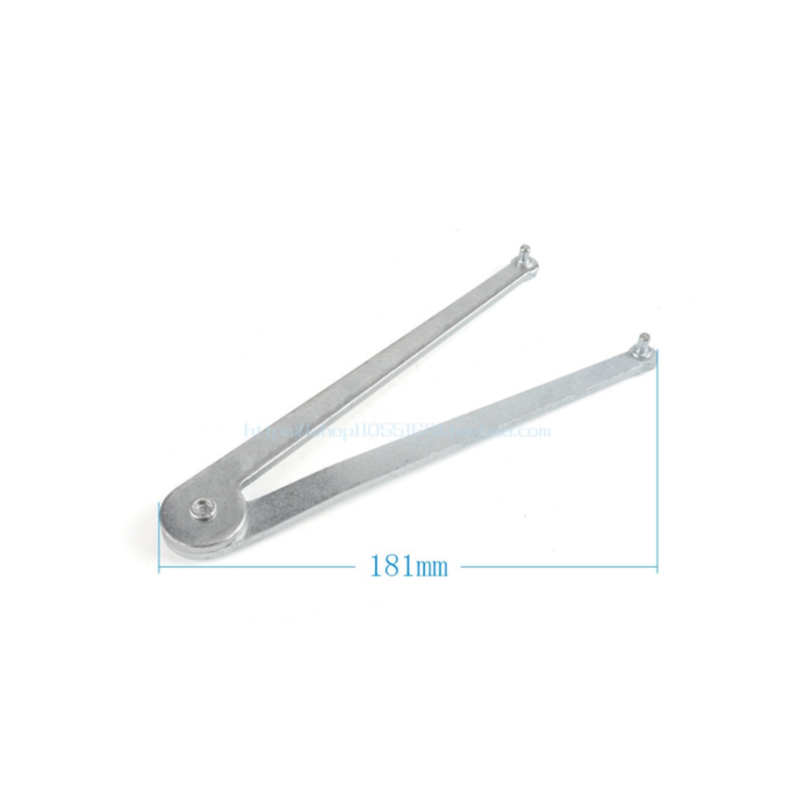
Multifunction angle mill wrench
Product Overview
The multifunction angle mill wrench is a hand tool intended for fastening and adjustment work where flexibility and access are important. Its main design concept is the integration of an angled working profile with multiple usable functions. The angle allows the tool to approach fasteners from a more practical direction, while the multifunction format enables one tool to serve several related purposes.
In many workshops, the most common difficulty is not the lack of tools but the inability to position a standard tool correctly. A straight wrench may be too long for a narrow space. A conventional spanner may not provide enough clearance. A socket may require additional extension accessories. A large adjustable wrench may be difficult to rotate when neighboring parts block movement. An angled multifunction wrench addresses these difficulties by offering a compact form that can be positioned more effectively.
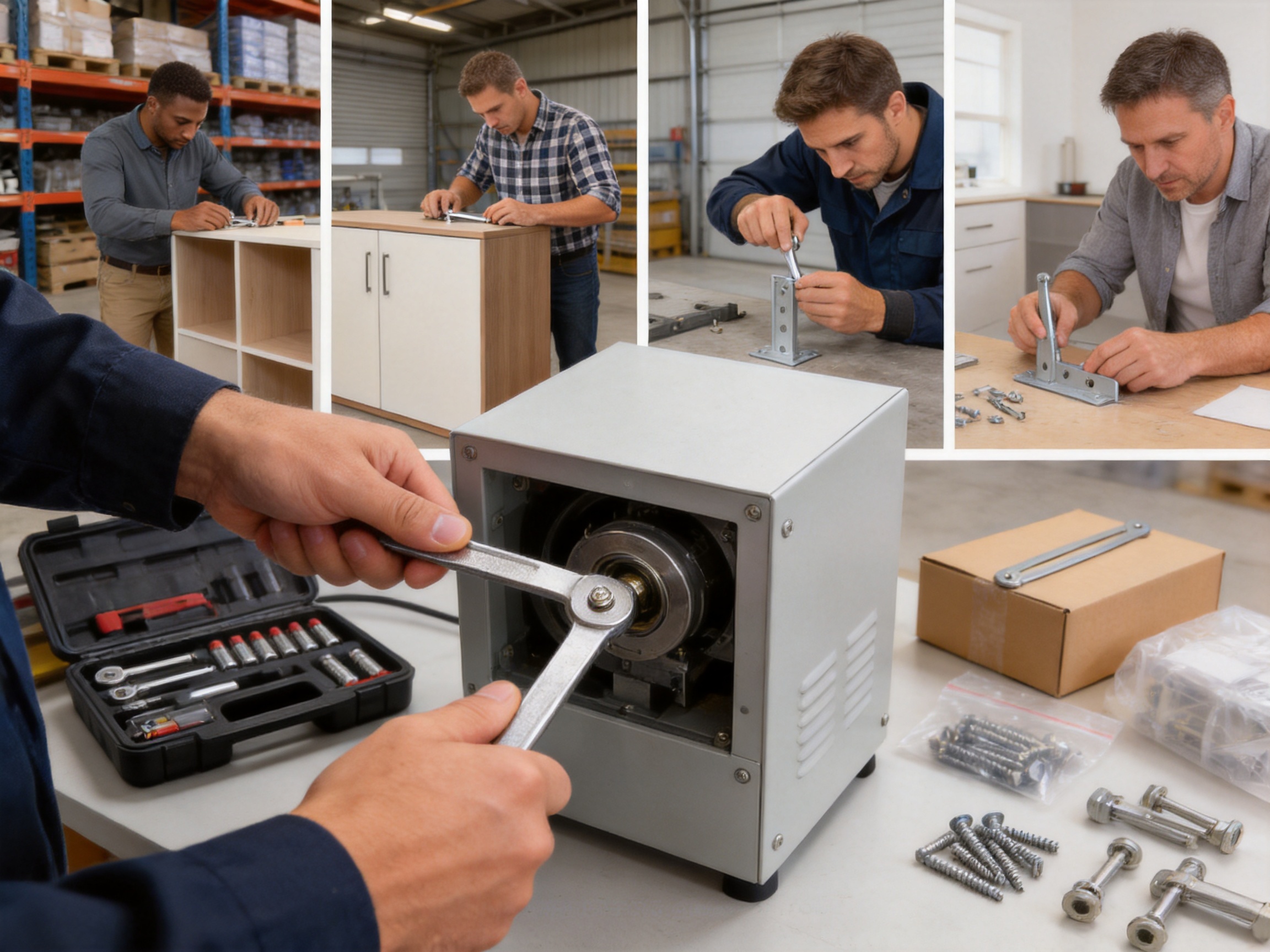
The tool is suitable for routine maintenance, equipment assembly, hardware installation, furniture fitting, small machinery adjustment, and general household repair. Its compact construction also makes it practical for toolboxes, service bags, production-line workstations, and mobile maintenance kits.
The product can be used by professional mechanics, installers, maintenance technicians, furniture assemblers, construction workers, hardware distributors, and home users. Its broad application range makes it suitable for both industrial and consumer-oriented product programs.
Core Product Characteristics
The multifunction angle mill wrench is defined by several important characteristics:
Angled working geometry: The angled shape improves access to fasteners positioned near corners, walls, panels, housings, and other obstacles.
Multifunctional design: Multiple working areas or profiles allow users to complete several related tasks with one tool.
Compact form: The tool is easier to store, carry, and organize than a large set of separate tools.
Practical hand control: A well-designed wrench should provide sufficient contact between the hand and the tool while maintaining a manageable operating position.
Metalworking durability: Properly selected steel, controlled forming, and suitable finishing help the product withstand repeated normal use.
Broad market suitability: The tool can be supplied to hardware wholesalers, tool retailers, industrial distributors, online stores, repair-service providers, and project-based buyers.
Why an Angled Wrench Is Useful
Access is one of the most important factors in fastening work. Even when the correct size of wrench is available, the job can remain difficult if the tool cannot be aligned with the fastener. The user may have to remove surrounding components, change hand position repeatedly, or use excessive force at an awkward angle. These actions can reduce productivity and increase the risk of slipping, surface damage, or operator fatigue.
An angle wrench changes the approach direction. Its working end can reach a fastener from above, beside, or around an obstruction, depending on the application. This is especially useful in equipment frames, small mechanical assemblies, furniture fittings, brackets, fixtures, and household hardware.
The angled format also improves usability in confined spaces. When a straight handle cannot rotate through a full movement, the user may be able to reposition an angled tool more frequently and complete the task with shorter strokes. This does not eliminate the need for correct tool selection, but it can make routine work more convenient and efficient.
For maintenance personnel, saving a few seconds on one fastening task can become significant when the same procedure is repeated across many assemblies. In production environments, a tool that reduces repositioning can contribute to smoother work cycles. For household users, the benefit is simple: one compact tool can make difficult repair tasks less frustrating.
Advantages Over Conventional Single-Purpose Tools
1. Greater Functional Flexibility
A conventional single-purpose wrench is normally selected for one specific size, profile, or fastening function. When the user encounters a different fastener or a different access direction, another tool is required. The multifunction angle mill wrench is designed to provide several practical functions within one product, reducing the need to change tools for closely related tasks.
This flexibility is valuable for service technicians who travel between work locations. Instead of filling a bag with multiple tools for simple adjustment work, a technician can include a multifunction wrench as part of a compact basic kit. It is also useful for furniture installers and general contractors who often work with different hardware configurations during the same project.
2. Improved Access Around Obstacles
Straight tools perform best when the fastener is directly accessible. In actual working environments, fasteners may be located behind panels, beside brackets, underneath furniture components, or close to machine housings. The angled design provides a different approach path and can improve access where a straight tool is inconvenient.
This advantage is particularly relevant in assembly and maintenance operations where disassembly is undesirable. If an angled wrench can reach the fastener without removing neighboring parts, the user may reduce both labor time and the possibility of damaging the surrounding assembly.
3. Reduced Tool-Carrying Requirements
Tool consolidation is an important consideration for mobile workers and retail consumers. A multifunction product can reduce the number of individual items needed for basic work. This saves storage space and makes tool organization simpler.
For distributors, compact products also provide packaging and merchandising benefits. A smaller tool can be displayed in hardware aisles, repair kits, maintenance sets, or hanging packages. It can also be combined with other products in a broader tool assortment.
4. Convenient Use in Repetitive Work
In repeated assembly or adjustment tasks, workers benefit from tools that are easy to pick up, position, and use. An angled multifunction wrench can reduce the time spent searching for another tool when the next step involves a different fastening point or a slightly different access direction.
Although productivity depends on many factors, a practical hand tool can support more consistent workflows. This is especially useful in furniture assembly, hardware fitting, equipment servicing, and small-batch production.
5. Practical Value for Professional and Household Users
Professional users often prioritize durability, repeatability, and access. Household users usually prioritize ease of use, versatility, and storage convenience. The multifunction angle mill wrench addresses both sets of needs through a design that is simple to understand and broadly applicable.
For professional buyers, the product can serve as a standard item in maintenance kits. For consumers, it can be marketed as a versatile home repair tool. This dual-market potential can help distributors develop several sales channels without changing the basic product concept.
Design and Ergonomic Considerations
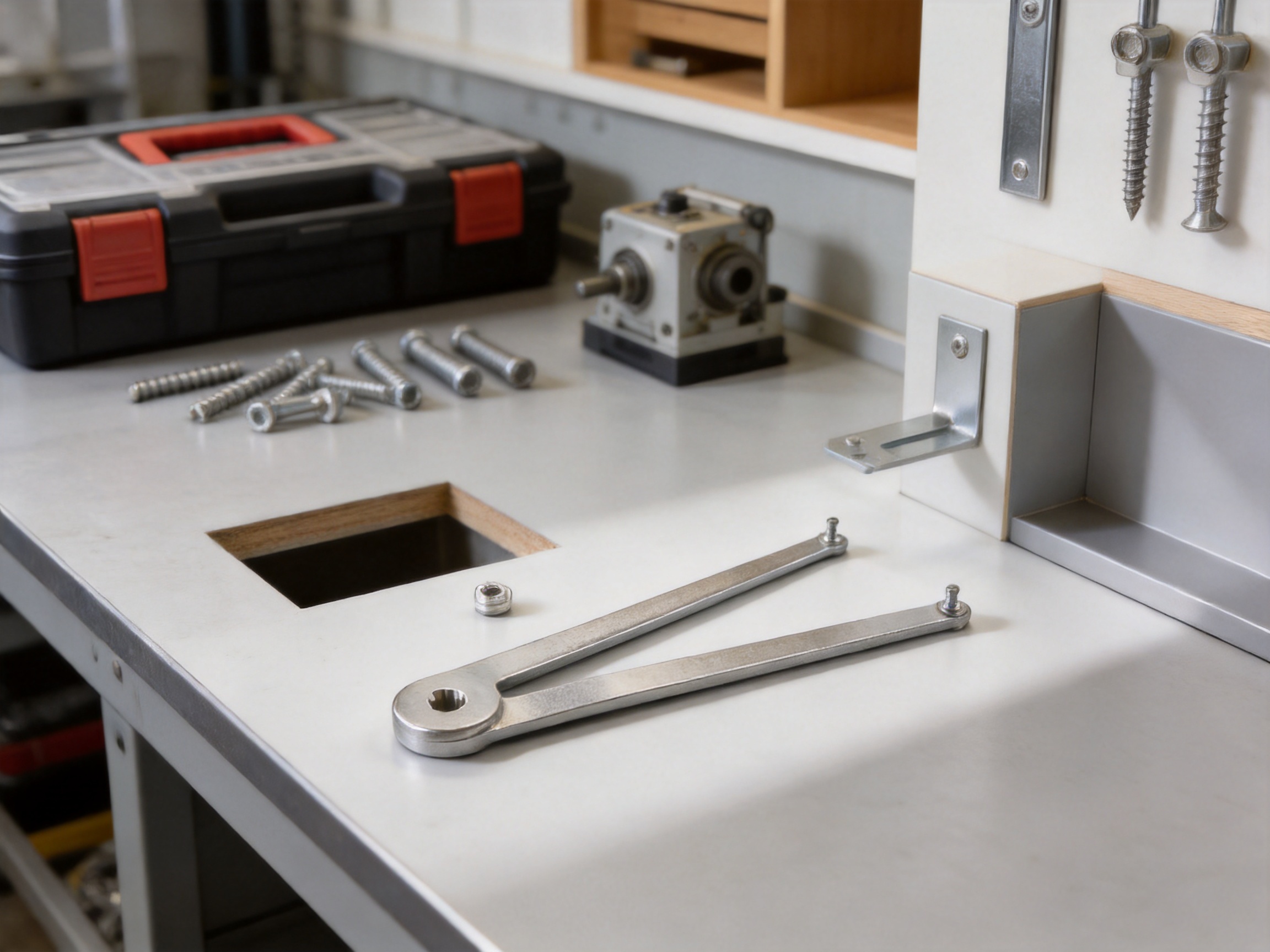
A successful hand tool must do more than perform a mechanical function. It must also be comfortable and controllable during use. The shape, angle, thickness, edge treatment, and surface finish all influence the user experience.
Angled Working End
The working end should be formed with sufficient precision to engage the intended fastener or component properly. If the contact area is inaccurate, the tool may slip or place uneven pressure on the fastener. Controlled forming and inspection are therefore important to ensure consistent geometry from one production batch to another.
The angle should provide useful access without making the tool difficult to hold. An excessively sharp angle may reduce hand clearance, while an insufficient angle may not provide meaningful access benefits. Product development should balance reach, rotation space, force transfer, and ease of repositioning.
Body Strength and Balance
The wrench body must be strong enough for normal manual use and repeated handling. A balanced profile helps the user maintain control when applying force. Excessive thinness may reduce strength, while unnecessary bulk may make the tool awkward in confined areas.
Consistent thickness and smooth transitions are also important. Abrupt changes in section can create stress concentrations, so forming and finishing processes must be managed carefully. The final product should have a stable structure and clean edges suitable for ordinary hand-tool operation.
Surface Finish
A suitable surface finish can improve corrosion resistance, appearance, cleanability, and handling. Depending on the customer’s requirements, possible finishing approaches may include polishing, plating, coating, or another protective treatment appropriate for the selected material and intended market.
Surface treatment should be uniform and firmly bonded. Uneven coating, sharp burrs, exposed areas, or inconsistent coloration can reduce perceived quality and may affect long-term protection. For retail products, appearance is also important because the finish contributes directly to the buyer’s first impression.
Edge and Corner Treatment
Edges that are touched during normal handling should be properly deburred and finished. A tool can be mechanically functional yet still be uncomfortable if it has sharp production edges. Controlled deburring improves user comfort and supports safer handling during storage and transportation.
Edge treatment must not remove excessive material from the working profile. The manufacturing process should therefore distinguish between handling edges and functional contact surfaces. This balance requires appropriate tooling, process control, and inspection.
Material Selection and Mechanical Reliability
The material used for a wrench affects strength, wear resistance, formability, surface finish, and cost. The most suitable material depends on the product’s dimensions, intended loading conditions, production method, target market, and customer specifications.
For a metal hand tool, material selection should consider the ability to withstand ordinary tightening and adjustment forces without unacceptable deformation. It should also support reliable forming, finishing, and packaging. The material must be compatible with the selected manufacturing process so that the final product remains consistent across production batches.
Where required, heat treatment can be used to adjust mechanical properties. A controlled heat-treatment process may improve hardness, strength, and resistance to wear. However, heat treatment must be carefully managed because excessive hardness can increase brittleness, while insufficient treatment may result in a tool that deforms too easily.
Uniformity is as important as nominal strength. A tool with inconsistent material properties may perform differently from one piece to another. This is why responsible manufacturing involves control of incoming materials, production parameters, heat-treatment conditions, surface finishing, and final inspection.
Normal Use and Correct Application
The multifunction angle mill wrench should be used for applications that match its design and size. Like any hand tool, it should not be treated as a hammer, pry bar, striking tool, or extension for excessive force unless it has been specifically engineered for such use.
Correct engagement is essential. The working profile should be fully seated on the fastener or component before force is applied. Using the tool at an extreme angle, applying sudden impact, or using a damaged wrench can increase the risk of slipping and product damage. Clear instructions and appropriate packaging information can help users achieve better results.
Advanced Manufacturing Processes
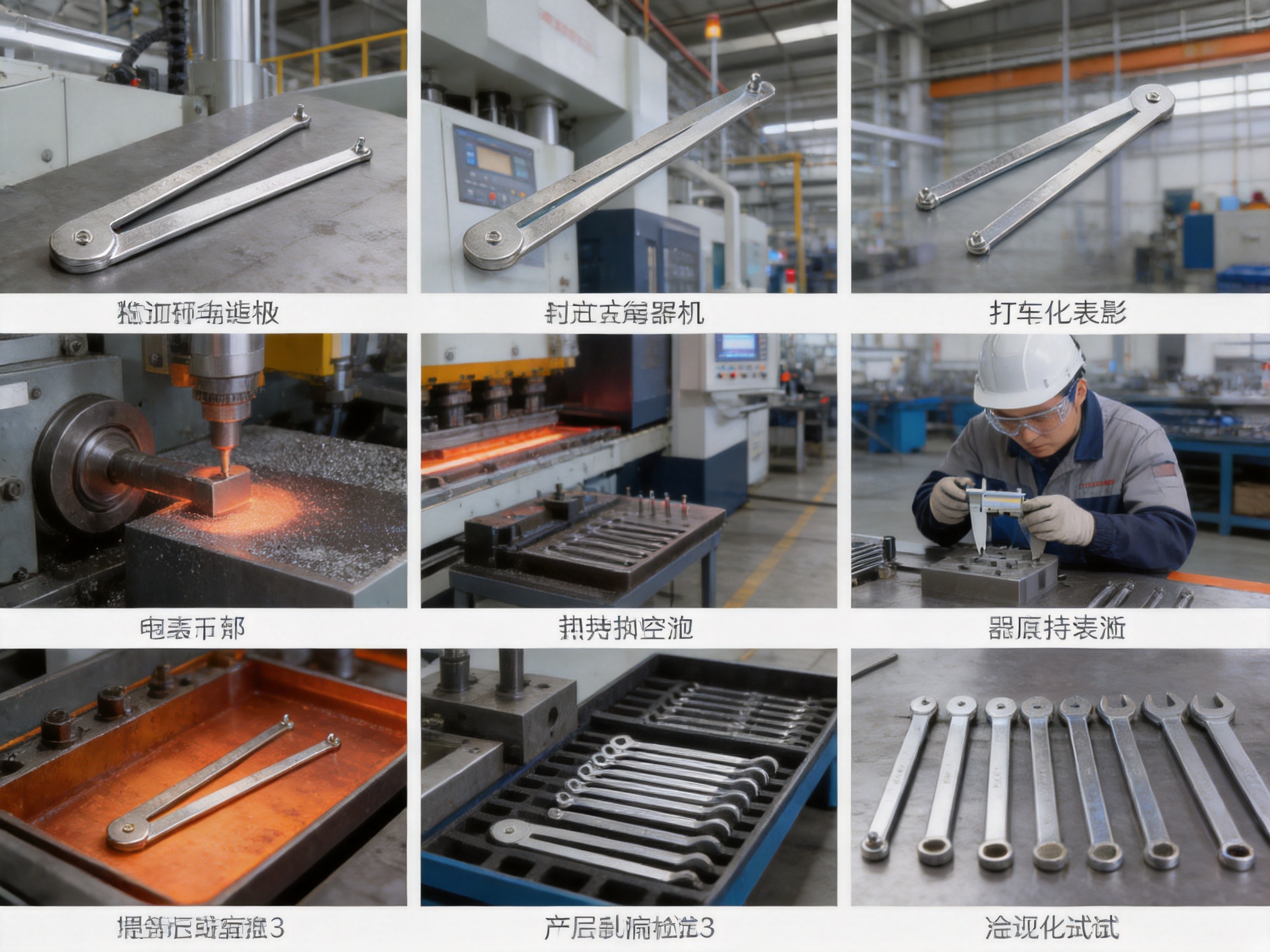
The quality of a multifunction angle mill wrench depends heavily on the manufacturing system behind it. A modern hardware manufacturer must coordinate product development, material procurement, tooling, forming, machining, heat treatment, finishing, inspection, packaging, and logistics.
Product Engineering and Tooling Development
Manufacturing normally begins with product drawings, dimensional requirements, functional analysis, and tooling preparation. Engineers evaluate the working angle, profile dimensions, body thickness, grip area, clearance requirements, and packaging format.
Tooling must be developed to reproduce the shape accurately. Proper tooling design helps control forming consistency, reduce material waste, and support efficient production. It also allows the manufacturer to identify potential issues before large-scale manufacturing begins.
During development, attention should be paid to stress distribution, corner transitions, material flow, and finishing allowances. A design that is attractive on paper may require adjustment if the forming process creates distortion or if the final finish changes critical dimensions.
Material Receiving and Verification
Reliable manufacturing starts with consistent raw materials. Incoming material should be checked against purchase specifications and production requirements. Basic controls may include dimensional verification, visual inspection, identification management, and documentation review.
Proper storage is also important. Materials should be protected from contamination, excessive moisture, and mix-ups between different grades or sizes. Traceability systems help manufacturers identify the source of materials used in a specific production batch.
Stamping, Forming, or Forging
Depending on the product structure and customer requirements, the wrench body may be produced through controlled stamping, forming, forging, machining, or a combination of processes. Each method has different advantages.
Stamping can support efficient production of suitable metal profiles and is useful for high-volume manufacturing when the tooling is properly designed. Forming can create the required angle and shape while maintaining production efficiency. Forging can provide a dense and robust structure for certain tool designs. Machining may be used for precision areas, secondary operations, or correction of critical dimensions.
The selected process should be matched to the product’s geometry, material, volume, dimensional tolerance, and cost target. A manufacturer with process flexibility can recommend a suitable production route instead of forcing every product into one method.
Burr Removal and Surface Preparation
After forming, the product may require trimming, deburring, grinding, tumbling, or other surface-preparation operations. These steps remove unwanted material and prepare the wrench for finishing.
Surface preparation must be consistent. If burrs remain, they can affect safety, appearance, packaging, and dimensional fit. If excessive grinding occurs, the working profile may be weakened or altered. Controlled equipment and trained operators are therefore necessary.
Heat Treatment
Where required by the product specification, heat treatment is used to achieve an appropriate balance of hardness and toughness. The process may include heating, holding, cooling, tempering, or other controlled stages.
Temperature, time, loading method, and cooling conditions can influence the final properties. Process records and regular testing help confirm that the treatment remains within the intended range. The goal is not simply maximum hardness; it is a balanced property profile suitable for the product’s expected use.
Grinding, Polishing, and Finishing
Grinding and polishing can improve surface smoothness and prepare the product for a protective or decorative finish. The level of finishing depends on the target market and customer requirements.
For industrial buyers, functional consistency and corrosion protection may be the main priorities. For retail products, appearance, touch quality, and visual uniformity may be equally important. A controlled finishing process supports both requirements.
Protective Treatment
Metal products may require a protective treatment to reduce corrosion during storage, transportation, and use. The selected treatment should be compatible with the base material and intended application.
Quality checks should examine coverage, adhesion, color consistency, surface defects, and resistance appropriate to the agreed specification. Packaging should also be designed to protect the finished surface from scratching and moisture exposure.
Final Assembly and Packaging
If the product is supplied with accessories, labels, inserts, or retail packaging, these components must be checked before shipment. Packaging should protect the tool while also communicating key information such as product name, application, size, handling guidance, and quantity.
For wholesale customers, packaging can be customized according to carton requirements, language needs, barcode systems, private-label programs, or retail presentation. Proper packing also helps reduce damage during domestic and international transportation.
Quality-Control System
Quality control should cover the entire production cycle rather than relying only on a final visual inspection. A complete approach includes supplier management, incoming-material checks, process monitoring, dimensional inspection, functional evaluation, surface inspection, packaging verification, and shipment review.
Dimensional Inspection
Critical dimensions include the working profile, angle, body thickness, overall length, opening size, and any other features required for correct operation. Measuring tools and inspection fixtures should be selected according to the product’s tolerance requirements.
Periodic inspection during production helps identify drift before a large quantity of products is completed. This approach reduces waste and supports more stable batch quality.
Visual and Surface Inspection
Visual inspection can identify burrs, cracks, dents, scratches, incomplete finishing, discoloration, coating irregularities, and other visible defects. Although visual inspection does not replace mechanical testing, it remains an essential part of product evaluation.
Surface standards should be agreed clearly with the customer. A product intended for industrial use may have different cosmetic expectations from a product intended for premium retail packaging.
Functional Checks
Functional evaluation should confirm that the wrench engages correctly with the intended fastener or test fixture. The tool should be examined for fit, alignment, operation, and basic structural integrity.
Where customers require additional testing, the manufacturer may establish agreed procedures for load, hardness, corrosion resistance, coating adhesion, or repeated-use performance. Testing requirements should be defined before mass production so that the process can be planned accurately.
Batch Traceability
Traceability supports more efficient problem investigation and customer service. Production records may connect a shipment with its material source, production date, tooling condition, finishing batch, inspection results, and packaging record.
For distributors and industrial buyers, traceability provides greater confidence in supply continuity. It also helps manufacturers improve future production by identifying recurring issues and their causes.
Manufacturing Strengths and Supply Capabilities
The product is supplied by Lizhan Hardware Co., Ltd., a hardware manufacturer serving the fastener and hardware market. The company operates a China factory in Haiyan, Jiaxing, Zhejiang, and maintains a warehouse location in Chonburi, Thailand. This structure can support production coordination in China together with regional storage and distribution capabilities in Thailand.
A China-based manufacturing location provides access to established metalworking, hardware, tooling, finishing, packaging, and export-support resources. These capabilities are valuable for products that require coordinated production rather than simple trading activity.
The presence of a Thailand warehouse can be useful for customers who need regional inventory support, shorter delivery routes within Southeast Asia, or a convenient supply point for selected orders. Actual stock availability, delivery timing, and distribution arrangements should be confirmed for each project.
The company’s stated product scope includes screws, self-drilling screws, drywall screws, roofing screws, furniture screws, fasteners, stamping parts, home tools, and related hardware products. This broader manufacturing background can support customers that want to combine the multifunction angle mill wrench with other hardware items in one sourcing program.
Integrated Hardware Experience
A supplier with experience in both tools and fasteners can better understand the relationship between material selection, forming, surface protection, packaging, and end-user requirements. This is particularly useful for distributors that want coordinated product assortments rather than isolated items.
For example, a hardware retailer may want to source a hand-tool range together with furniture fasteners, construction screws, or maintenance accessories. A manufacturer with a broader product portfolio may be able to support this type of purchasing strategy, subject to product specifications and production capacity.
OEM and Customized Programs
Many professional buyers require more than a standard product. They may need customized dimensions, surface finishes, markings, packaging, labels, colors, or product combinations. A manufacturing supplier can evaluate these requirements through drawings, samples, technical specifications, and packaging instructions.
Customization should be managed carefully. Changes to the working angle, profile, material thickness, or heat treatment may affect tooling and performance. Before mass production, customers should approve technical drawings or samples and confirm acceptance criteria.
Communication and Order Coordination
Clear communication is essential for international hardware sourcing. Product specifications should identify dimensions, material expectations, surface treatment, quantity, packaging format, inspection requirements, and delivery terms.
The supplied company contact information identifies Shawn and Sophia as sales contacts and provides telephone, WhatsApp, WeChat, and email communication options. Buyers should use the current official contact details when requesting quotations, samples, drawings, certificates, production schedules, or shipping information.
Applications in Different Work Environments
Home Maintenance
In the home, the multifunction angle mill wrench can be used for furniture adjustment, hardware installation, appliance maintenance, shelving work, bicycle-related adjustment, and general repair tasks where the fastener is accessible but awkwardly positioned.
Its compact size makes it suitable for a household toolbox. Users can keep it in a drawer, utility cabinet, garage kit, or vehicle emergency tool bag. A multifunction design is especially useful for people who do not want to purchase a large selection of specialized tools.
Furniture Assembly
Furniture assembly often involves fasteners located near panels, brackets, corners, or partially enclosed spaces. An angled wrench may provide more clearance than a straight tool, particularly when the furniture structure limits hand movement.
For professional furniture installers, the ability to complete several adjustment tasks with one tool can simplify transportation and improve workstation organization. For retailers, the product can be included in furniture maintenance kits or sold as a complementary accessory.
Construction and Installation
Construction workers and installers frequently operate in environments where access is affected by frames, panels, fixtures, pipes, brackets, or other installed components. A compact angled wrench can be helpful during adjustment and fitting work.
It may also serve as a backup tool in a larger kit. Even when a professional carries a full collection of sockets and wrenches, a multifunction angle tool can be valuable when a quick adjustment is required in a restricted position.
Machinery Maintenance
Small machinery and equipment often contain fasteners positioned behind covers or adjacent to structural members. Maintenance technicians can use an angled tool to improve access during routine servicing, adjustment, or component replacement.
The tool should always be matched to the correct fastener size and application. For high-load, safety-critical, or manufacturer-specific tasks, users should follow the equipment manufacturer’s instructions and use tools with the required specifications.
Workshop and Production-Line Use
In a workshop or production line, tool availability and organization influence efficiency. A multifunction wrench can be assigned to a workstation, included in a maintenance station, or stored in a mobile tool cart.
Its usefulness increases when the same workstation handles several related assembly operations. Instead of repeatedly returning to a central toolbox, the operator may keep a compact tool close to the work area.
Comparison with Alternative Tool Types
| Tool Type | Main Strength | Common Limitation | Role of the Multifunction Angle Mill Wrench |
|---|---|---|---|
| Straight single-purpose wrench | Simple structure and direct access | Limited in confined or obstructed spaces | Provides an alternative angled approach and multiple functions |
| Adjustable wrench | Can cover a range of sizes | May be bulkier and require careful jaw adjustment | Offers a compact option for selected recurring tasks |
| Socket and ratchet set | Efficient for repeated fastening and deep access | Requires several components and more storage space | Works as a compact supplement for quick adjustments |
| Open-end wrench set | Useful across standard fastener sizes | Requires multiple pieces and may have limited clearance | Combines selected functions in one portable tool |
| Pliers | Flexible gripping capability | May damage fastener surfaces or provide less precise engagement | Provides a more purpose-oriented fastening solution |
This comparison does not mean that one tool should replace every other tool. Different tools are designed for different tasks. The main advantage of the multifunction angle mill wrench is its role as a compact, versatile, and access-oriented tool that complements larger professional tool systems.
Benefits for Distributors and Importers
For distributors, product selection must consider more than technical performance. Packaging, market positioning, shipping efficiency, repeatability, and customer demand are also important.
Broad Customer Base
The product can be presented to hardware stores, tool retailers, furniture suppliers, building-material distributors, maintenance companies, online sellers, and industrial procurement departments. Its general-purpose nature allows several types of customers to understand its value without extensive technical training.
Easy Product Positioning
The product can be positioned as a compact workshop essential, a home repair accessory, an installation tool, a maintenance-kit component, or a practical gift for tool users. Clear packaging and product images can emphasize its angled access and multifunction concept.
Efficient Storage and Transportation
A compact metal tool is generally easier to store and transport than a large tool set. Efficient packaging can help distributors optimize carton space and inventory shelves. The exact shipping advantages depend on product dimensions, packaging design, order quantity, and transportation method.
Potential for Product Bundling
The wrench can be bundled with fastener assortments, furniture hardware, screws, anchors, household repair kits, or other hand tools. Such combinations may increase product value and help retailers create application-focused packages.
Private-Label Opportunities
Buyers may request private labeling, customized packaging, printed cartons, barcode labels, product inserts, or other brand-related requirements. These details should be discussed during quotation and confirmed through approved samples before production.
Packaging and Presentation
Packaging protects the product and communicates its purpose. A suitable package should prevent scratches, surface damage, moisture exposure, and loss during transportation. It should also make the product easy to identify in a warehouse or retail environment.
Important packaging information may include the product name, application, material or finish information where appropriate, quantity, dimensions, usage guidance, safety notes, country-of-origin information, and customer-specific identification marks.
For retail sales, hanging cards, blister packs, cartons, or printed sleeves may be considered depending on the distribution channel. For industrial orders, bulk cartons with internal separators or protective bags may be more economical.
Packaging design should not create unnecessary waste. At the same time, cost reduction should not compromise surface protection. A balanced packaging solution protects the tool while supporting efficient storage and transportation.
How to Evaluate a Supplier
When sourcing a multifunction angle mill wrench, buyers should evaluate the supplier’s manufacturing capability, communication quality, product consistency, and ability to support the intended market.
Technical Evaluation
Request drawings, specifications, samples, or product photographs where necessary. Confirm the working dimensions, angle, material expectations, finish, packaging, and intended application. If the product will be sold under a private label, confirm marking and packaging requirements at the beginning of the project.
Sample Approval
A sample allows the buyer to evaluate fit, handling, appearance, surface quality, packaging, and general usability. For professional applications, the sample should be tested in conditions similar to those expected in the market.
Production Consistency
Ask how the supplier controls incoming materials, forming, heat treatment, finishing, inspection, and packaging. A reliable production system should be able to explain how batch consistency is maintained.
Order Flexibility
Different customers require different quantities and delivery schedules. Buyers should confirm minimum order quantities, sample arrangements, lead times, production capacity, packaging options, and shipment methods before placing an order.
After-Sales Communication
Clear communication after shipment is important if questions arise about packaging, application, replenishment, or quality. A supplier that maintains organized sales and production communication can make long-term cooperation easier.
Recommended Use and Maintenance
Users should select the correct working area of the wrench for the fastener and ensure that it is fully engaged before applying force. The tool should be held securely, and the user should avoid placing fingers near pinch points or unstable components.
The wrench should not be modified by drilling, cutting, heating, welding, or grinding unless such work is approved by a qualified professional and does not compromise its intended function. Modifications can change strength, alignment, hardness, and safety characteristics.
After use, the tool should be cleaned of dust, grease, moisture, and chemical residues. If the product is stored in a humid environment, a suitable protective measure can help reduce corrosion. Users should inspect the tool periodically for cracks, severe deformation, damaged working surfaces, or other signs that replacement may be necessary.
Proper storage also extends service life. The wrench should be kept in a dry toolbox or organized tool rack rather than left outdoors or exposed to corrosive substances. A clean and well-maintained tool is easier to use and easier to inspect.
Sustainability and Manufacturing Efficiency
Responsible manufacturing includes efficient use of materials, reduction of production waste, durable product design, and appropriate packaging. A tool that remains useful for a long time can reduce the need for frequent replacement.
Process optimization can reduce scrap during stamping, forming, trimming, and finishing. Accurate tooling may improve material utilization and reduce rework. Controlled production also helps lower the number of rejected products and supports more efficient use of energy and labor.
Packaging can be reviewed to remove unnecessary components while preserving product protection. Recyclable or efficiently designed packaging may be considered according to customer requirements and local regulations.
For buyers, sustainability information should be verified according to the specific production site, material system, packaging design, and applicable standards. General environmental claims should not replace measurable product and process information.
Why Product and Process Must Be Considered Together
A well-designed wrench cannot deliver consistent value without a reliable manufacturing process. Likewise, an advanced factory cannot compensate for a product design that does not meet user needs. Product development and manufacturing capability must therefore be considered together.
The multifunction angle mill wrench demonstrates this relationship clearly. Its value comes from the design concept of combining angled access and several functions. Its reliability depends on precise forming, suitable material properties, controlled finishing, and careful inspection. Its market success also depends on packaging, communication, distribution, and customer support.
For buyers comparing suppliers, the lowest unit price should not be the only evaluation factor. Tool quality, consistency, defect rates, packaging performance, delivery reliability, customization support, and long-term communication can have a greater effect on total purchasing value.
Frequently Asked Questions
What is a multifunction angle mill wrench?
It is a compact hand tool that combines an angled working structure with multiple useful functions for fastening, adjustment, installation, and maintenance tasks.
Why is the angle important?
The angle allows the user to approach fasteners from a different direction. This can improve access around corners, panels, brackets, housings, and other obstacles where a straight wrench is inconvenient.
Can it replace a complete professional tool set?
No. It is best understood as a versatile supplement or compact solution for selected tasks. Professional users may still require sockets, torque tools, adjustable wrenches, specialty tools, and other equipment for specific applications.
Who can use this product?
The product may be suitable for mechanics, installers, furniture assemblers, maintenance technicians, construction workers, hardware retailers, and household users. The correct application depends on the product’s dimensions and specifications.
What materials are suitable for this type of wrench?
The material should provide an appropriate balance of strength, toughness, formability, surface quality, and corrosion resistance. The exact material should be confirmed in the product specification or technical agreement.
Is heat treatment necessary?
Heat treatment may be used when the product specification requires controlled hardness and mechanical performance. Its necessity depends on the material, design, production process, and intended use.
What quality checks should buyers request?
Buyers may request dimensional inspection, visual inspection, surface-finish checks, hardness or mechanical testing where applicable, functional fit checks, packaging verification, and batch documentation.
Can the wrench be customized?
Customization may be possible for dimensions, surface finish, markings, packaging, labels, and product combinations. Technical changes should be evaluated carefully because they may require new tooling or process adjustments.
Is the product suitable for retail sales?
Yes. Its compact size and broad application range make it suitable for hardware stores, tool retailers, online shops, household repair assortments, and maintenance kits. Retail packaging should clearly explain the product’s functions and intended use.
Can it be included in a maintenance kit?
Yes. It can be combined with screws, fasteners, furniture hardware, anchors, hex keys, pliers, screwdrivers, or other tools depending on the target application.
How should the tool be maintained?
Clean it after use, keep it dry, protect it from corrosive substances, and inspect it for cracks, severe deformation, or damaged working surfaces. Replace the tool if its condition makes safe operation uncertain.
Where is the product manufactured and stored?
The supplied company identifies a China factory in Haiyan, Jiaxing, Zhejiang, and a warehouse location in Chonburi, Thailand. Buyers should confirm production arrangements, inventory, and shipping details for each order.
How can buyers request a quotation?
Buyers can contact the supplier through the available sales channels and provide the required quantity, specifications, packaging expectations, destination, and delivery schedule. Samples and technical documents may be requested before mass production.
Conclusion
The multifunction angle mill wrench is a practical solution for users who need better access, multiple functions, and convenient tool storage in one compact product. Its angled structure helps address the limitations of straight wrenches in confined or obstructed spaces, while its multifunction concept reduces the need to carry several separate tools for related tasks.
Its advantages are not limited to convenience. The product can support mobile maintenance, furniture assembly, household repair, construction installation, workshop operations, and equipment adjustment. For distributors, it offers broad market potential, compact packaging, easy product positioning, and opportunities for bundling or private labeling.
Long-term product value depends on manufacturing discipline. Material control, tooling accuracy, forming, deburring, heat treatment, surface finishing, inspection, packaging, and supply coordination all contribute to the final result. Lizhan Hardware Co., Ltd., with its China manufacturing base, Thailand warehouse presence, and broader hardware product experience, can support customers seeking a coordinated sourcing partner for tools and fasteners.
Before ordering, buyers should confirm dimensions, material, finish, packaging, inspection requirements, quantity, lead time, and application expectations. When product design and manufacturing capability are properly aligned, the multifunction angle mill wrench can become a dependable addition to professional tool programs, hardware assortments, and everyday repair kits.
References
1. General principles of hand-tool design, ergonomic access, and mechanical usability.
2. Industrial guidance on metal forming, stamping, forging, deburring, and dimensional process control.
3. General practices for heat treatment and hardness management in steel hand tools.
4. Quality-control principles for hardware products, including incoming inspection, process inspection, final inspection, and batch traceability.
5. Packaging and transportation practices for metal tools and hardware products.
6. Product and company information supplied for the multifunction angle mill wrench and related hardware manufacturing capabilities.