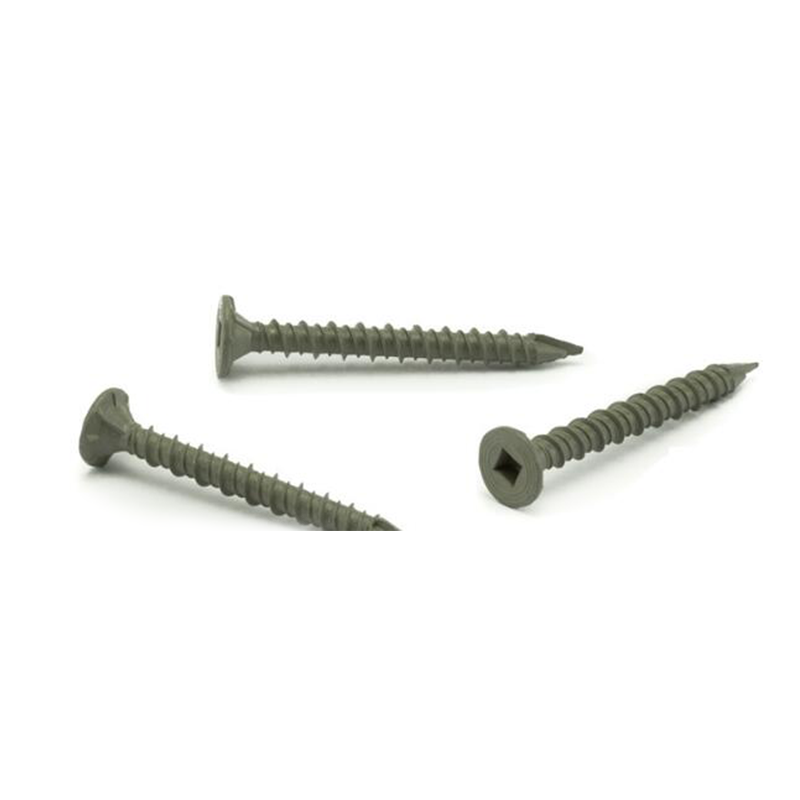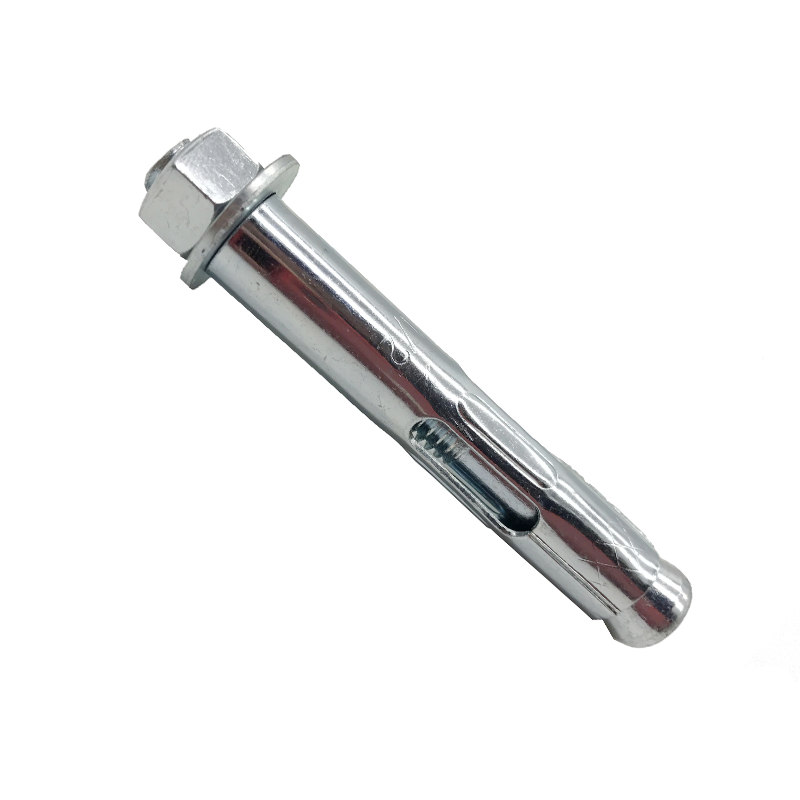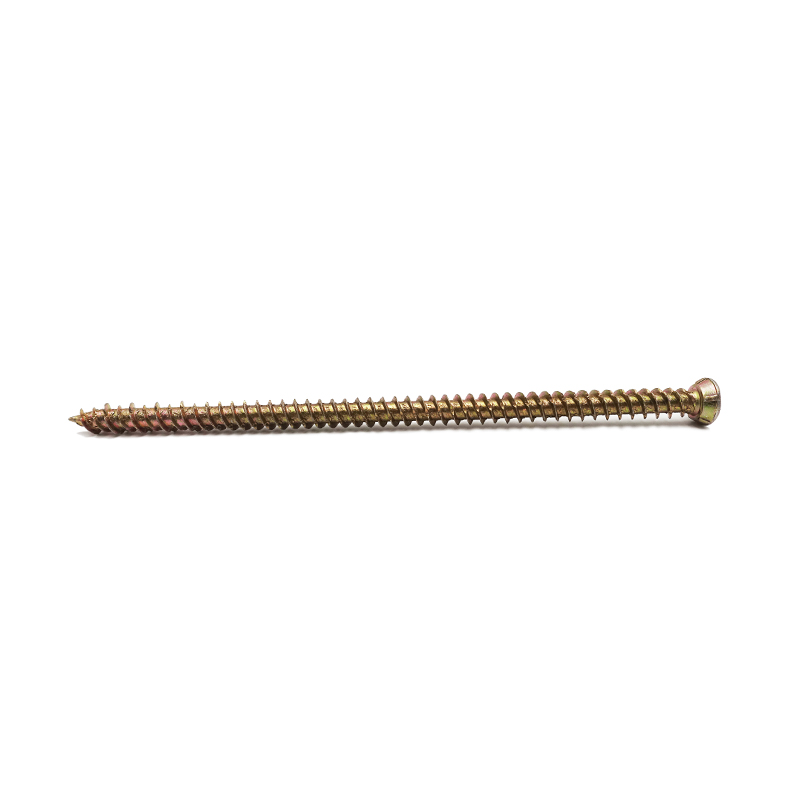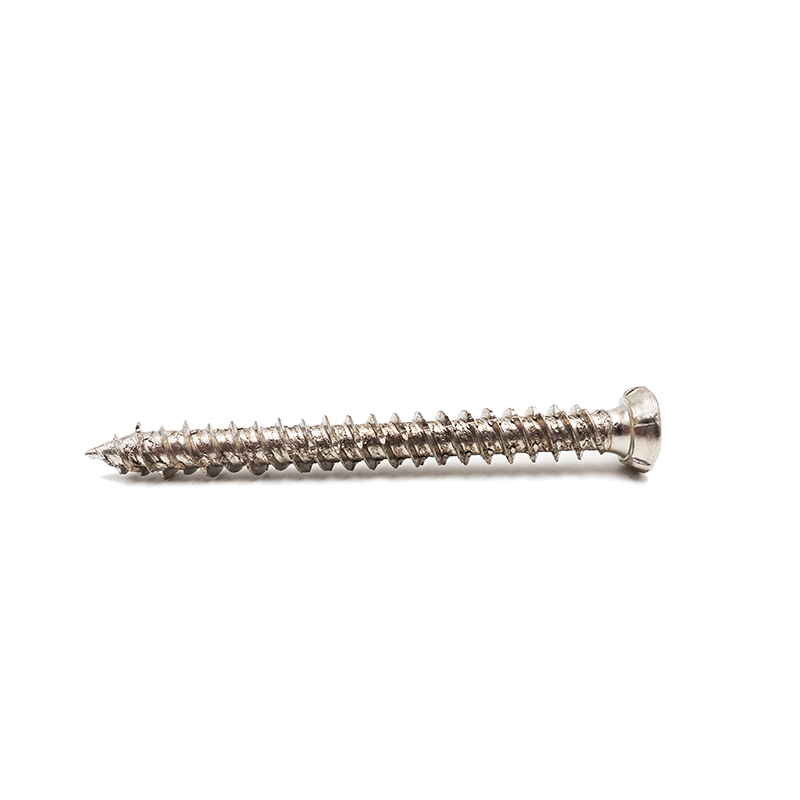
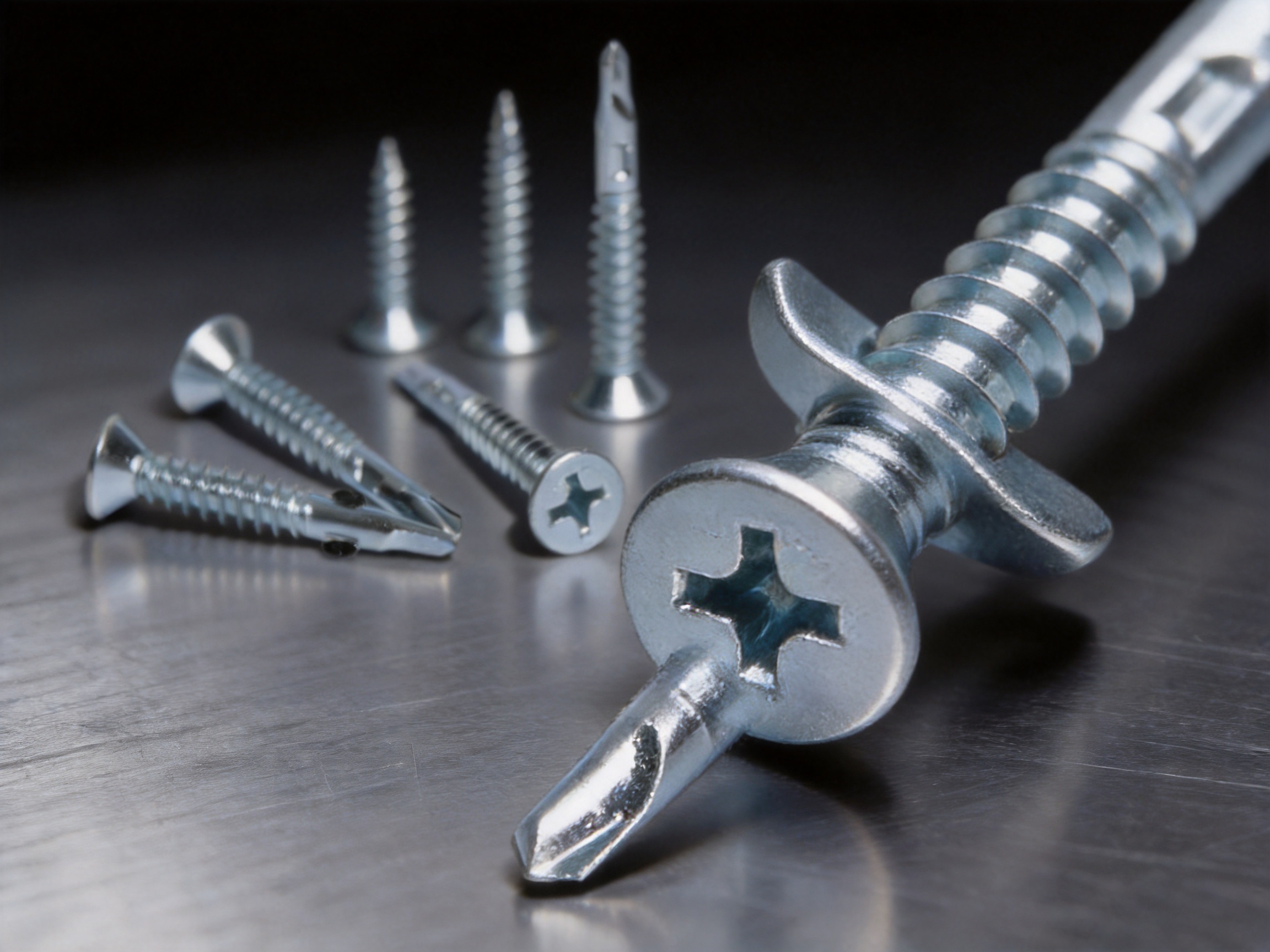
Phillips countersunk head self-drilling screws with wings are specialized fasteners developed for applications in which a clean finished surface, reliable drilling performance, and controlled fastening of layered materials are required. The combination of a Phillips recess, countersunk head, self-drilling point, and wings gives this screw a functional profile that differs from ordinary self-tapping screws and general-purpose wood screws.
This type of screw is commonly selected for fastening boards, panels, composite sheets, soft materials, and other assemblies where the screw must pass through a surface layer before engaging a supporting material. The wings can create clearance through a nonmetallic or soft upper layer, while the drilling point prepares the hole in the supporting material. Once the screw reaches the harder base material, the wings can break away or stop influencing the fastening action, allowing the main thread to engage effectively.
The product supplied by Lizhan Hardware Co., Ltd. is identified as a Phillips countersunk head self-drilling screw with wings and zinc-plated surface protection. It belongs to the drilling screw category and is manufactured from C1022A carbon steel. The listed production range includes several diameters, head styles, recess options, thread configurations, standards, and surface treatments, allowing buyers to specify a suitable configuration for different installation conditions.
This article examines the product’s construction, working principle, material characteristics, production range, manufacturing process, quality considerations, application value, and purchasing advantages. It also explains how a specialized fastener manufacturer can support consistent supply, customization, packaging, and international distribution.
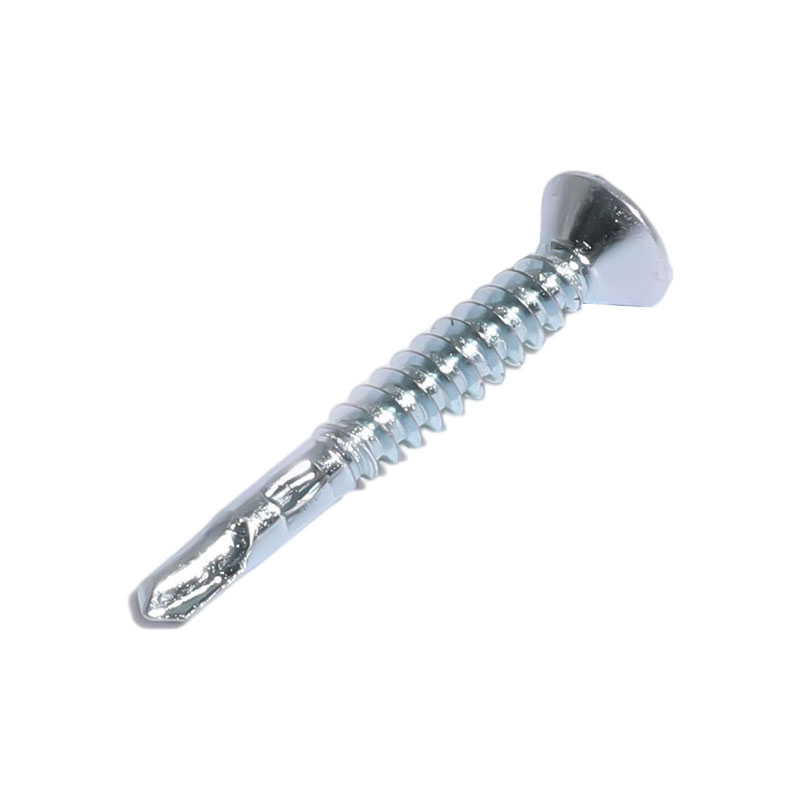
Phillips csk head self drilling screw with wings zinc plated
1. Understanding the Product Structure
A self-drilling screw with wings is designed to perform several fastening operations in sequence. First, the drilling point penetrates the supporting material. Second, the screw thread forms or engages the internal thread of the drilled hole. Third, the head draws the attached component toward the base material. The wings are used to manage the interaction between the screw and the upper layer, especially when the upper layer is softer or more easily damaged than the substrate.
The countersunk head is another important part of the design. Its conical underside allows the head to sit flush with, or slightly below, the surface of a compatible material. This can improve appearance, reduce snagging, and create a more uniform finished assembly. A countersunk head is particularly useful for panels, boards, furniture-related components, decorative surfaces, and installations where a protruding screw head would be undesirable.
The Phillips recess provides a familiar driving interface for installers using widely available Phillips bits. It supports convenient manual or power-tool installation and is suitable for many standard fastening operations. The exact recess size should be matched with the selected driver bit to reduce cam-out, recess damage, and installation inconsistency.
The zinc-plated finish provides a bright metallic appearance and contributes to basic corrosion resistance in suitable indoor or controlled environments. Zinc plating also creates a consistent surface that can support handling, storage, and general installation requirements. For more demanding exposure conditions, alternative treatments such as yellow zinc plating, black phosphate, Ruspert, or Magni may be selected according to the intended application.
1.1 Countersunk Head
The countersunk head is engineered to distribute clamping force around the entry area while allowing the screw to finish close to the surface. Its geometry must be compatible with the material being fastened. In softer materials, the head may create its own seating area. In harder or brittle materials, a pilot countersink or carefully controlled installation may be needed to prevent surface cracking or excessive material displacement.
A correctly formed countersunk head contributes to a neat appearance and reduces interference with adjacent parts. This is valuable in applications where panels must slide against one another, where surfaces are covered with trim, or where the finished product is handled frequently.
1.2 Self-Drilling Point
The self-drilling point eliminates the need for a separate pre-drilling step in many applications. Its cutting geometry is intended to penetrate the base material while the screw rotates. The point length, flute formation, material hardness, and thread design all affect drilling efficiency.
Self-drilling performance depends on the supporting material and its thickness. A screw designed for thin sheet metal should not automatically be assumed suitable for thick structural steel. Buyers should confirm the recommended drilling capacity and test the selected screw in the actual substrate before placing a large production order.
1.3 Wings
The wings are positioned above the main drilling and threading area. Their purpose is to enlarge or maintain clearance through the upper layer while the point reaches the supporting material. This design can help prevent the upper layer from lifting, cracking, or obstructing the screw’s progress.
When the screw reaches a harder substrate, the wings may be designed to break away or become ineffective so that the main thread can engage the base material. This sequence helps create a more stable clamping action between the upper component and the support.
1.4 Phillips Recess
The Phillips drive is widely recognized across construction, hardware, furniture, and general assembly industries. Its broad availability is an advantage for distributors and users because replacement bits and installation tools are easy to source.
At the same time, Phillips drives require appropriate torque control. Excessive speed, incorrect bit selection, or excessive pressure can cause the driver to climb out of the recess. A controlled installation process and a correctly matched driver help preserve both the screw recess and the finished appearance.
2. Material Selection and Mechanical Characteristics
The listed material for this product is C1022A carbon steel. This grade is commonly used in screw manufacturing because it provides a practical balance of formability, strength, thread-forming capability, and production efficiency. It is suitable for cold heading and subsequent thread rolling when the manufacturing parameters are properly controlled.
Material selection is important because a self-drilling screw must withstand several different stresses. During installation, the point experiences cutting forces, the shank experiences torsional loading, the thread experiences forming or engagement forces, and the head and recess experience driving torque. The screw must also retain sufficient toughness to reduce the risk of sudden fracture.
C1022A is widely accepted for general-purpose carbon steel screws, although the final performance of a finished fastener depends on more than the steel grade alone. Wire quality, cold-heading practice, heat treatment, thread geometry, surface treatment, dimensional control, and inspection all affect the result.
2.1 Cold Heading Capability
Cold heading forms the screw blank from steel wire at room temperature. The process can create the head and basic shank shape at high production speed while minimizing material waste. For a countersunk screw, the heading die must create the head angle, recess area, underside transition, and shank profile accurately.
Proper lubrication and die maintenance are essential during cold heading. Inadequate lubrication may increase tool wear, surface defects, or dimensional variation. Excessive forming stress can cause cracks around the head or recess. Advanced production control therefore involves monitoring both the incoming wire and the condition of forming tools.
2.2 Heat Treatment
Heat treatment can improve the hardness and strength required for drilling and fastening. The treatment must be controlled carefully because excessive hardness may reduce toughness, while insufficient hardness may cause poor drilling performance or thread deformation.
A suitable process considers heating temperature, holding time, atmosphere, quenching conditions, tempering, and cooling. Continuous or batch furnace systems may be used depending on production requirements. The objective is to obtain a stable mechanical structure throughout the screw rather than a surface that is hard but internally inconsistent.
2.3 Thread Rolling
Thread rolling forms the thread by displacing material rather than cutting it away. This process can produce strong thread flanks and a smooth, consistent profile. It also improves production efficiency and supports high-volume manufacturing.
For self-drilling screws, thread geometry must be coordinated with the drilling point and the intended substrate. The first thread may need to engage smoothly after the point penetrates the material. Thread pitch, crest shape, flank angle, and length influence installation torque, holding power, and stripping behavior.
2.4 Surface Treatment
Zinc plating is listed as the surface treatment for the featured product. The plating process generally involves cleaning, preparation, electrochemical deposition, rinsing, drying, and, where applicable, passivation or additional protective treatment. Each stage contributes to the appearance and corrosion performance of the finished screw.
Cleaning is particularly important because oil, scale, oxides, and residue can interfere with coating adhesion. A uniform deposit requires controlled bath chemistry, current density, temperature, processing time, and part movement. After plating, the screws should be dried and inspected for coverage, discoloration, roughness, and visible defects.
Different environments may require different coatings. Black phosphate is often selected for appearance and compatibility with certain dry indoor applications. Yellow zinc provides a colored zinc finish. Ruspert and Magni-type treatments may be selected where enhanced corrosion resistance or a specific coating system is required. The appropriate choice should be based on exposure, appearance, compatibility, and applicable customer specifications.
| Product Feature | Function | Purchasing Consideration |
|---|---|---|
| Phillips recess | Provides a common driving interface | Confirm bit size and torque requirements |
| Countersunk head | Allows a flush or near-flush finished surface | Match the head angle with the application material |
| Self-drilling point | Drills into the supporting substrate | Verify drilling capacity and substrate thickness |
| Wings | Create clearance through the upper layer | Use for compatible layered-material applications |
| C1022A steel | Provides a practical base material for screw production | Confirm required mechanical and quality standards |
| Zinc-plated finish | Provides appearance and basic corrosion protection | Select coating according to environmental exposure |
3. Production Range and Specification Flexibility
The listed diameter range includes #6-3.5, #8-4.2, #10-4.8, #12-5.5, and #14-6.3. These designations provide options for different load requirements, material thicknesses, and installation conditions. Smaller diameters can be useful for lighter assemblies and thinner components, while larger diameters can provide greater cross-sectional area and higher potential pull-out resistance when installed in a suitable substrate.
Length is not specified in the provided product information, so buyers should request the required length based on the total thickness of the attached layer, the supporting material, the required thread engagement, and the need for the point to project through the substrate. Correct length selection is essential. An excessively short screw may not develop sufficient engagement, while an excessively long screw may create interference or an unwanted protrusion.
The production range also includes multiple recess and head options. Although the featured model uses a Phillips countersunk head, the product information lists Philips, square, and Torx recesses, as well as bugle head, hex washer head, flat head, pan head, wafer head, and pan framing head options. This indicates a broad manufacturing capability for different fastening systems.
Thread options include BSD thread and CSD thread. The choice should correspond to the substrate, drilling point configuration, and intended installation method. Buyers should provide drawings, samples, technical specifications, or application details when ordering a specialized configuration.
The listed norms include ASTM, DIN 7504K, DIN 7504P, and DIN 7504N. These standards and designations are associated with different self-drilling screw configurations and head styles. The precise standard applicable to an order should be confirmed before production, especially when the screw is being supplied for regulated construction, industrial, or export applications.

4. Manufacturing Process from Wire to Finished Screw
A reliable self-drilling screw is the result of a controlled series of manufacturing stages. Each operation affects the next one, so process coordination is more important than treating each step as an isolated activity.
4.1 Incoming Material Inspection
Production begins with the receipt of carbon steel wire. The material may be checked for diameter, surface condition, chemical composition, mechanical properties, and supplier documentation. Wire with excessive surface defects, inconsistent dimensions, or unsuitable metallurgical characteristics can create problems during heading and heat treatment.
Incoming inspection helps prevent defective material from entering the production line. It also supports traceability by linking finished batches to their raw material records. For export orders and repeat programs, this information can be valuable when customers require documentation or investigate a quality concern.
4.2 Wire Preparation
The wire may be drawn, straightened, cut, and prepared for cold heading. Lubrication and surface preparation are controlled to reduce friction and protect forming tools. The wire diameter must be compatible with the target screw dimensions, head volume, and material displacement required during forming.
Good wire preparation improves production stability. It reduces variation in blank weight and helps the forming equipment produce a consistent head and shank profile.
4.3 Cold Heading and Head Forming
In the heading operation, prepared wire blanks are fed into forming machines. The machine forms the countersunk head, shank, and recess area through a sequence of controlled impacts or compressive operations.
The countersunk geometry must be precise enough to provide consistent seating. The recess must be centered and deep enough to receive the intended driver bit. The transition between head and shank should be smooth, as sharp or irregular transitions can act as stress concentration points.
Tooling design is a major manufacturing strength in this stage. Dies must be manufactured and maintained to match the required screw geometry. When a customer orders a special head, recess, or length, tooling knowledge helps shorten development time and improve repeatability.
4.4 Point Forming
The drilling point is formed after the basic blank has been created. Point geometry influences penetration speed, torque, chip formation, and drilling capacity. The point must be centered on the shank and aligned with the screw axis.
For a screw with wings, the relationship between the wings, point, and thread is especially important. The wings must be positioned accurately so they perform their clearance function without interfering with the drilling point or creating excessive installation resistance.
4.5 Wing Formation
The wings may be formed through dedicated rolling, pressing, or combined forming operations. Their shape, thickness, angle, and location need to remain consistent across the production batch.
Wing geometry can affect how the screw passes through the upper material. If the wings are too large, they may create excessive resistance. If they are too small or poorly formed, they may fail to provide the intended clearance. Consistent forming is therefore central to product performance.
4.6 Thread Rolling
Thread rolling creates the external thread through controlled pressure between dies. The process must maintain the specified major diameter, pitch, thread length, and runout. The thread should be continuous and free from significant laps, cracks, or damaged areas.
Because the thread is formed by displacement, the rolling process can provide a strong surface structure when correctly controlled. Die alignment and wear monitoring are necessary to prevent gradual dimensional drift during long production runs.
4.7 Heat Treatment and Cleaning
After forming, screws may undergo heat treatment to obtain the required hardness and strength. Following heat treatment, cleaning removes scale, oil, and residues before surface finishing.
Cleaning quality has a direct effect on plating quality. A contaminated surface may result in poor adhesion, uneven color, bare areas, or premature corrosion. A disciplined cleaning sequence supports a more consistent final appearance.
4.8 Zinc Plating
The zinc-plating stage creates the specified surface finish. Parts are processed in controlled batches, and the plating parameters are monitored to achieve consistent coverage. Depending on the required coating system, passivation or sealing may be used after the zinc deposit.
Inspection can include visual examination, coating thickness measurement, adhesion checks, and corrosion testing when specified by the customer. The actual test method and acceptance criteria should be agreed during order confirmation.
4.9 Sorting, Packaging, and Dispatch
Finished screws are sorted by size, configuration, and batch. Sorting may be performed manually, mechanically, or through a combination of inspection methods. The purpose is to prevent mixed sizes, incorrect finishes, damaged pieces, and quantity discrepancies from reaching the customer.
Packaging is adapted to the distribution channel and customer requirements. Standard packaging may be suitable for wholesale cartons, while retail packaging, labeled boxes, plastic containers, or palletized export cartons may be used for other programs. Correct labeling should identify size, finish, quantity, batch, and product description.
The company’s listed factory location is in Haiyan, Jiaxing City, Zhejiang, China, with a warehouse location in Chonburi, Thailand. This combination can support manufacturing in China and regional storage or distribution in Thailand, depending on the order and logistics plan.
5. Quality Control and Production Reliability
Quality control for self-drilling screws should cover dimensions, mechanical performance, appearance, coating, packaging, and traceability. A screw may look acceptable while still having an incorrect hardness, poor drilling point, weak recess, or unsuitable coating. For this reason, quality management should be applied throughout the production process rather than only at the final inspection stage.
5.1 Dimensional Inspection
Critical dimensions may include overall length, shank diameter, head diameter, head angle, recess size, thread diameter, thread length, point geometry, and wing position. Gauges, calipers, optical equipment, thread gauges, and sample-based inspection plans may be used according to the product specification.
Dimensional control is especially important when screws are used in automated assembly. Small variations can influence feeding, bit engagement, seating depth, or final clamping.
5.2 Recess Inspection
The Phillips recess should be checked for centering, depth, shape, and cleanliness. A recess that is too shallow may not accept the bit securely. A recess that is off-center can increase cam-out and may create an unattractive finished surface.
Driver compatibility should be verified with the correct bit. Where customers use automated tools, sample installation testing can help confirm that the screw performs properly at the specified speed and torque.
5.3 Thread and Point Inspection
Thread inspection verifies that the profile is continuous, correctly formed, and free from major defects. The drilling point should be sharp, centered, and consistent. Point defects can increase installation time and torque, while thread defects can reduce engagement or holding strength.
Functional testing in representative substrate materials is often useful. Laboratory measurements alone may not fully predict field performance, especially when the screw is used through multiple layers.
5.4 Coating Inspection
The zinc-plated surface should be visually uniform and free from major stains, bare patches, blistering, excessive roughness, or handling damage. Coating thickness and corrosion resistance should be evaluated according to the agreed specification.
Zinc plating is not a universal solution for every environment. Continuous moisture, salt spray, chemical exposure, and outdoor weathering may require a more advanced coating system or stainless steel alternative. Correct product selection is therefore part of quality assurance.
5.5 Batch Traceability
Batch identification helps connect raw material, production parameters, heat treatment, plating, inspection, packaging, and shipment records. Traceability is useful for repeat orders because it supports consistent reproduction of an approved configuration.
For high-volume customers, retaining approved samples and production specifications can reduce misunderstandings during future orders. The product name alone may not define every important dimension, so drawings and written specifications should be maintained.
6. Advantages Compared with Conventional Fasteners
The principal advantage of a winged self-drilling screw is process integration. In suitable applications, one fastener can drill the supporting material, pass through the upper layer, form or engage the thread, and clamp the components together. This can reduce the need for separate drilling, clearance-hole preparation, and additional hardware.
Compared with a conventional wood screw, the self-drilling point is better suited to applications where a harder backing material must be penetrated. Compared with a standard self-tapping screw, the wings can provide better control when fastening through a softer upper layer. Compared with a protruding pan head, the countersunk head can produce a cleaner surface.
| Comparison Point | Winged Countersunk Self-Drilling Screw | Conventional Fastener Limitation |
|---|---|---|
| Installation steps | Can combine drilling and fastening in one operation | May require separate pilot or clearance-hole preparation |
| Upper-layer clearance | Wings can help prevent unwanted thread engagement in the upper layer | Standard screws may pull or lift the upper material |
| Finished appearance | Countersunk head supports a flush surface | Raised heads may interfere with finishing or adjacent parts |
| Tool availability | Phillips recess works with commonly available drivers | Special drive systems may require dedicated bits |
| Configuration range | Available in multiple diameters, heads, recesses, threads, and finishes | Generic products may offer fewer application-specific options |
| Procurement flexibility | Can be specified for different substrates and packaging programs | Off-the-shelf products may not match exact requirements |
6.1 Reduced Pre-Drilling Requirements
When the substrate and screw design are compatible, the self-drilling point reduces preparation time. This can be valuable in repetitive construction or assembly operations, where every additional tool change or drilling step increases labor cost.
However, the term “self-drilling” should not be interpreted as suitable for every material. The point has a defined drilling capability. Thick steel, hardened materials, masonry, and very dense substrates may require different fasteners or pre-drilling.
6.2 Better Layer Management
The wings are an important advantage when a soft or nonmetallic layer is attached to metal or another hard support. They help the screw pass through the upper layer without allowing the upper material to become excessively threaded before the point reaches the base.
This can improve clamping behavior and reduce gaps between layers. The exact result depends on material thickness, screw length, installation speed, and substrate hardness.
6.3 Cleaner Finished Surfaces
The countersunk head provides an aesthetic advantage over many raised-head fasteners. In applications where the screw will be painted over, covered, sanded around, or exposed to handling, a flush head can make the finished assembly more practical and attractive.
6.4 Broad Selection of Finishes
The available finish range supports different appearance and environmental requirements. Zinc plating is appropriate for many indoor and general-purpose applications. Black phosphate may be selected for a darker appearance, while yellow zinc can support color differentiation. Ruspert and Magni-type systems may be considered for applications requiring improved corrosion resistance or a specified coating technology.
7. Application Areas
Phillips countersunk head self-drilling screws with wings can be used in a variety of applications, provided the screw dimensions and coating are matched to the materials and environment.
7.1 Panel and Board Installation
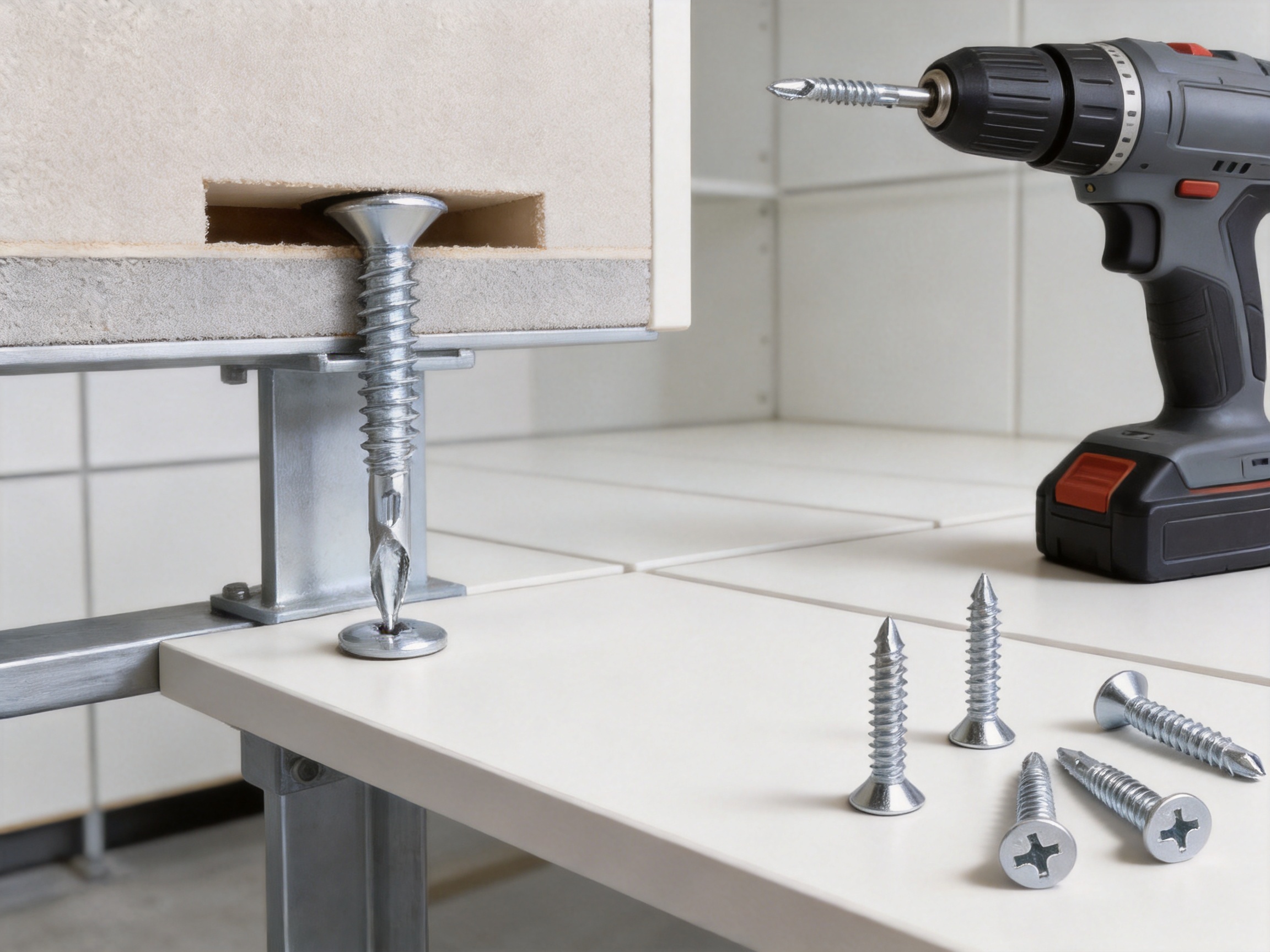
The screw can be used for fastening boards or panels to metal supports when the upper board material benefits from a clearance function. The countersunk head helps the screw finish neatly, while the wings assist passage through the upper layer.
7.2 Furniture and Interior Components
Furniture-related assemblies often require clean surfaces and repeatable installation. The Phillips drive is familiar to installers, and the countersunk head can reduce interference with decorative surfaces. Buyers should verify whether the screw is suitable for the specific combination of board, metal, and load requirement.
7.3 Light Construction and Fit-Out Work
In interior construction, partition work, trim installation, and general fit-out, speed and appearance are often important. A self-drilling screw can reduce preparation steps and support efficient fastening of compatible layered materials.
7.4 Metal-to-Board Assemblies
The winged design is particularly relevant to assemblies in which a board, sheet, or composite upper component is fixed to a metal frame. The drilling point engages the metal support, while the wings manage the board layer during installation.
7.5 General Hardware Distribution
Hardware distributors can stock several diameters and finishes to serve different customer segments. The product’s broad configuration range can support private-label packaging, contractor supply, furniture hardware, and industrial maintenance channels.
7.6 Applications Requiring Caution
The screw should not be used without evaluation in structural connections, high-vibration assemblies, fire-rated systems, corrosive outdoor environments, or applications involving safety-critical loads. In such cases, the purchaser should confirm engineering requirements, applicable standards, installation torque, substrate compatibility, and coating performance.
8. Selecting the Correct Screw Configuration
Choosing the correct screw requires more than selecting a diameter. Buyers should evaluate the upper-layer thickness, base-material type, base-material thickness, expected load, installation equipment, exposure conditions, appearance requirements, and packaging format.
8.1 Diameter Selection
The listed options range from approximately 3.5 mm to 6.3 mm in nominal diameter. Smaller sizes may suit light-duty components, while larger sizes may offer greater thread engagement and clamping capacity. Diameter should be selected according to the material strength and required holding performance rather than appearance alone.
8.2 Length Selection
The screw should be long enough to pass through the upper layer and provide sufficient engagement in the supporting material. The point should be able to drill the substrate, but excessive projection should be avoided where it may create a hazard or interfere with another component.
8.3 Head Selection
The countersunk head is appropriate where a flush finish is required. Other listed head types may be more suitable for applications needing a large bearing surface, visible fastening, or rapid installation. A hex washer head, for example, may be selected where a hex driver and broader load distribution are preferred.
8.4 Recess Selection
Phillips is widely accessible and familiar. Square and Torx recesses may provide different torque-transfer characteristics and can be selected for production systems with specialized tooling. The recess should be matched to the customer’s existing tools and installation process.
8.5 Finish Selection
Zinc-plated screws are a practical general-purpose choice. If the product will be exposed to humidity, chemicals, salt, or outdoor weather, the coating must be selected after considering the actual environment. A decorative requirement may also influence the choice between bright zinc, yellow zinc, black phosphate, or another finish.
8.6 Standard Selection
ASTM and DIN references should not be treated as interchangeable without checking the exact dimensional and performance requirements. The customer should identify the required standard, product type, head form, drilling capacity, and applicable test criteria when requesting a quotation.
9. Manufacturing and Supply Strengths
Lizhan Hardware Co., Ltd. presents itself as a screw manufacturer and supplier serving self-drilling screws, drywall screws, roofing screws, furniture screws, machine screws, and related products. For buyers, a broad product portfolio can be advantageous because several fastener types may be sourced from one production partner.
The company’s listed China factory location is in Haiyan, Jiaxing City, Zhejiang Province. This region has an established hardware and fastener manufacturing base, supporting access to supply-chain resources, production equipment, tooling services, surface treatment, packaging, and export logistics.
The listed Thailand warehouse location in Chonburi provides a potential regional distribution point for customers in Thailand and nearby markets. Warehouse availability can help support shorter regional delivery routes, local stock planning, and order consolidation, subject to actual inventory and commercial arrangements.
9.1 Product Breadth
The company’s stated production range includes multiple screw families, head styles, recesses, thread types, and coatings. This breadth is useful for customers who require a coordinated fastener program rather than a single isolated item.
A supplier capable of producing both standard and application-specific screws may also help reduce the number of separate vendors in a customer’s purchasing system. Consolidated sourcing can simplify quality approval, packaging coordination, documentation, and shipment planning.
9.2 Customization Support
The listed range indicates flexibility in diameter, head, recess, thread, standard, and finish. Customization should be confirmed through drawings, samples, technical discussions, and pre-production approval. Important details include head angle, wing dimensions, drilling point design, thread length, coating thickness, packaging, labeling, and inspection requirements.
9.3 International Order Support
International buyers commonly require clear communication about product specifications, minimum order quantities, production timing, packaging, inspection, shipping documents, and payment conditions. A supplier with dedicated sales contacts and an established export process can help coordinate these details.
Customers should still request formal technical and commercial confirmation before placing an order. Product data should be reviewed carefully because similar screw names may refer to different dimensions or standards in different markets.
9.4 Production Consistency
For repeat orders, consistency is as important as initial performance. Stable tooling, controlled raw materials, documented process parameters, batch inspection, and retained samples can help reproduce an approved product. This is particularly important for distributors whose customers expect the same screw to fit the same tool and application every time.
10. Installation Recommendations
Before installation, users should confirm that the screw is appropriate for the upper layer and substrate. The driver bit should be clean, correctly sized, and fully seated in the Phillips recess.
Power-tool speed and torque should be adjusted according to the material combination. Excessive speed may generate heat, damage the coating, strip the recess, or cause the screw to pass through the material too aggressively. Excessive torque may crush the upper layer or drive the countersunk head too deeply.
The screw should be installed perpendicular to the surface unless the application specifically requires another angle. Angled installation can reduce head seating quality, increase bending stress, and cause uneven clamping.
For production assembly, a trial installation should be performed before full-scale work begins. The trial should evaluate drilling time, torque, seating depth, visible damage, holding behavior, and final appearance. If the screw is used through a soft upper layer into metal, the installer should confirm that the wings perform as intended and that the upper layer is not lifted from the support.
Where a flush head is required, the receiving material must be capable of accepting the countersunk geometry. If the material is too thin, the head may break through or weaken the surface. In brittle materials, a pilot countersink may be more appropriate than relying entirely on the screw head to form the seat.
11. Packaging and Commercial Considerations
Packaging protects the screws from moisture, contamination, impact, and mixing during transportation. It also provides an opportunity to communicate product information clearly to distributors and end users.
Packaging specifications may include bulk cartons, inner boxes, plastic bags, color boxes, retail labels, barcode labels, pallet dimensions, and net or gross weight limits. The appropriate format depends on whether the product is sold to industrial users, hardware wholesalers, construction distributors, or retail customers.
Labels should identify the product description, diameter, length, head type, recess, finish, quantity, standard, batch information, and country of origin where required. For a product with multiple similar configurations, clear labeling is especially important to prevent incorrect picking and installation.
Buyers should also discuss corrosion protection during storage. Zinc-plated screws should be kept dry and protected from condensation, chemical vapors, and direct exposure to harsh environments. Packaging materials and warehouse conditions should be suitable for the expected storage period.
12. Sustainability and Resource Efficiency
Steel fasteners are compact products with a high functional value relative to their material volume. Cold heading and thread rolling can support efficient material use by forming the screw rather than machining it from a larger solid piece.
Long service life also contributes to resource efficiency because a durable fastener reduces the need for premature replacement. Correct coating selection, appropriate installation, and proper storage all help preserve the product’s useful life.
Manufacturers can further improve efficiency through tool-life management, process optimization, recycling of metal scrap, responsible chemical handling, and controlled wastewater treatment during surface finishing. Customers seeking environmental documentation should request the specific declarations or process information relevant to their project.
13. Buyer Checklist
Before requesting a quotation, the buyer should prepare the screw diameter and length, countersunk head requirements, Phillips recess size, wing design, thread type, drilling point capacity, steel grade, surface finish, applicable standard, packaging format, estimated annual quantity, and delivery destination.
If the application involves a layered assembly, the buyer should provide the thickness and material of each layer. Information about the supporting material is equally important. A screw used through a fiberboard layer into thin sheet metal may require a different configuration from one used through a composite panel into a thicker steel section.
Sample testing is strongly recommended for new applications. Testing should be performed using the actual installation tool, substrate, material thickness, and production method. The result should be evaluated for installation torque, drilling time, head seating, clamping, pull-out behavior, and visible damage.
For repeat programs, an approved sample, dimensional drawing, coating requirement, packaging standard, and inspection plan should be retained. These documents provide a common reference for future production and reduce the risk of specification drift.
| Information Required | Why It Matters |
|---|---|
| Screw diameter and length | Determines strength, penetration, and thread engagement |
| Upper-layer material and thickness | Confirms whether the wings can perform correctly |
| Supporting substrate | Determines drilling point and thread suitability |
| Head and recess type | Ensures compatibility with appearance and tools |
| Surface environment | Guides zinc, phosphate, or advanced coating selection |
| Required standard | Clarifies dimensional and performance expectations |
| Packaging and labeling | Supports warehouse control and sales distribution |
| Annual demand | Helps plan tooling, production, and inventory |
14. Frequently Asked Questions
Q1: What is a Phillips countersunk head self-drilling screw with wings?
It is a specialized screw that combines a Phillips drive, a countersunk head, a self-drilling point, and wings above the drilling section. The point drills into the supporting material, the thread engages the substrate, the head provides clamping and a flush finish, and the wings help manage the upper material during installation.
Q2: What material is used for the featured product?
The listed material is C1022A carbon steel. This material is widely used for screw production because it supports cold heading, thread rolling, heat treatment, and general-purpose fastening performance.
Q3: What diameters are available?
The listed diameter options are #6-3.5, #8-4.2, #10-4.8, #12-5.5, and #14-6.3. The required size should be selected according to the materials, load, and installation conditions.
Q4: Is the product available in different lengths?
The provided information does not list specific lengths. Buyers should request the required length based on the thickness of the upper layer, the substrate thickness, and the required thread engagement.
Q5: Why are wings used on this type of screw?
The wings help create clearance through a softer upper layer while the screw reaches the harder supporting material. This can reduce unwanted threading, lifting, or separation of the upper component in compatible applications.
Q6: What is the advantage of the countersunk head?
The countersunk head can sit flush with the surface, improving appearance and reducing interference with adjacent components. It is useful where a smooth finished surface is required.
Q7: Is zinc plating suitable for outdoor use?
Zinc plating provides basic corrosion protection, but suitability depends on the outdoor environment. Continuous moisture, salt, chemicals, and severe weather may require a more advanced coating or a different material. The application should be evaluated before selection.
Q8: Which standards are listed for the product range?
The listed norms include ASTM, DIN 7504K, DIN 7504P, and DIN 7504N. The exact standard and configuration should be confirmed for each order because head style, point design, and dimensions can vary.
Q9: What recess options may be available?
The listed recess options include Phillips, square, and Torx. The featured product uses a Phillips recess, while other recesses may be available for different installation tools or customer requirements.
Q10: What head styles are included in the production range?
The listed head styles include bugle head, hex washer head, flat head, pan head, wafer head, and pan framing head. The suitable head depends on the required bearing area, appearance, clearance, and installation method.
Q11: Can the product be customized?
The listed range suggests flexibility in diameter, head, recess, thread, finish, and standard. Customization should be confirmed through a technical drawing, sample, or written specification before production.
Q12: What should be tested before a large order?
The screw should be tested in the actual upper material and supporting substrate with the intended driver and installation settings. The test should examine drilling performance, torque, head seating, clamping, holding behavior, coating condition, and final appearance.
Q13: Where is the manufacturing and warehouse support located?
The listed China factory address is in Haiyan, Jiaxing City, Zhejiang Province. A Thailand warehouse address is listed in Chonburi. Availability, stock, and shipping arrangements should be confirmed directly for each order.
Q14: Who should consider this product?
Construction suppliers, furniture hardware buyers, panel installers, metal-to-board assembly users, hardware distributors, and industrial purchasing teams may consider this product when they need a flush-head self-drilling screw with a winged design.
15. Conclusion
Phillips countersunk head self-drilling screws with wings provide a practical solution for layered fastening applications that require drilling efficiency, controlled passage through the upper material, secure substrate engagement, and a neat finished surface.
The featured product combines a Phillips recess, countersunk head, self-drilling point, winged design, C1022A carbon steel construction, and zinc-plated finish. Its listed production range includes several diameters, head styles, recesses, thread types, standards, and coating options, giving buyers flexibility when developing application-specific fastening programs.
Its advantages over ordinary fasteners come from the integration of several functions into one component. The self-drilling point can reduce preparation steps, the wings can improve layer management, the countersunk head can support a flush appearance, and the Phillips recess can simplify tool selection.
Product reliability depends on controlled manufacturing. Incoming material inspection, cold heading, point forming, wing production, thread rolling, heat treatment, cleaning, zinc plating, sorting, and packaging must work together to produce a consistent screw. A manufacturer with a broad product range and facilities supporting production and regional distribution can provide additional value to international buyers.
For best results, purchasers should provide complete application information and conduct representative installation trials before approving a large order. The correct diameter, length, coating, standard, head, recess, and thread design should be selected according to the actual substrate and service environment.
References
ASTM International. General Fastener Standards and Test Methods for Mechanical Fasteners.
DIN 7504. Self-Drilling Screws for Various Head and Drive Configurations.
ISO 898-1. Mechanical Properties of Fasteners Made of Carbon Steel and Alloy Steel.
ISO 4042. Electroplated Coatings for Fasteners.
Fastener Quality Act and Related Identification and Quality Principles.
Standard technical practices for cold heading, thread rolling, heat treatment, zinc plating, and dimensional inspection of carbon steel screws.
Manufacturer-provided product range and specification information for Phillips countersunk head self-drilling screws with wings.