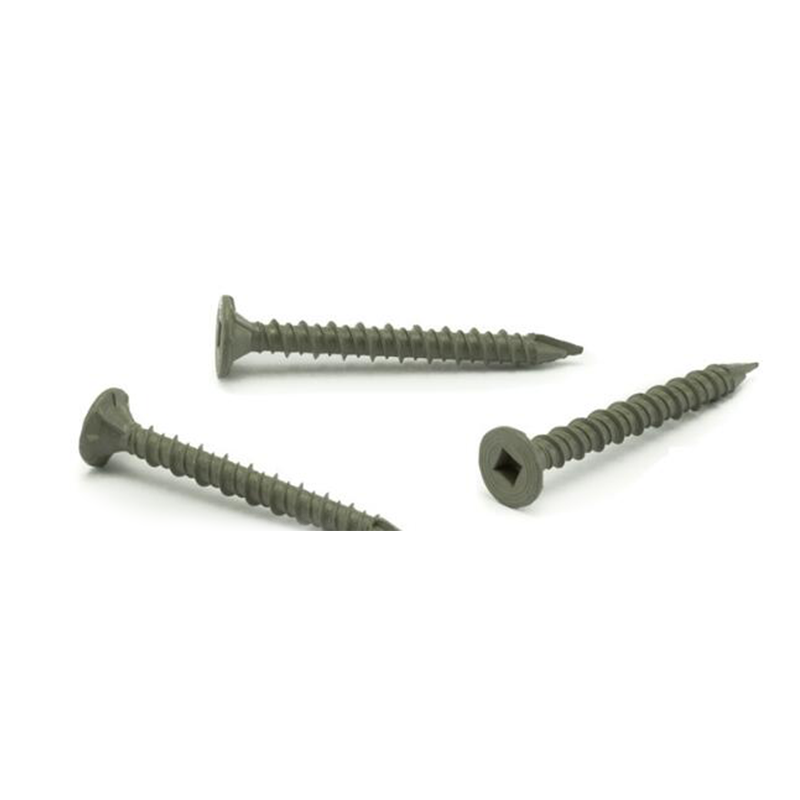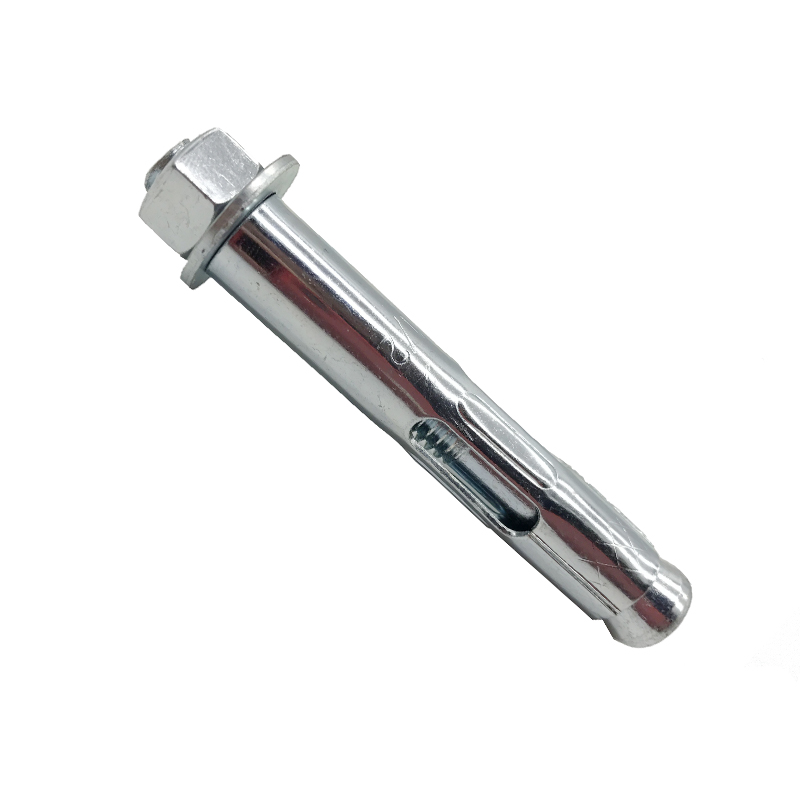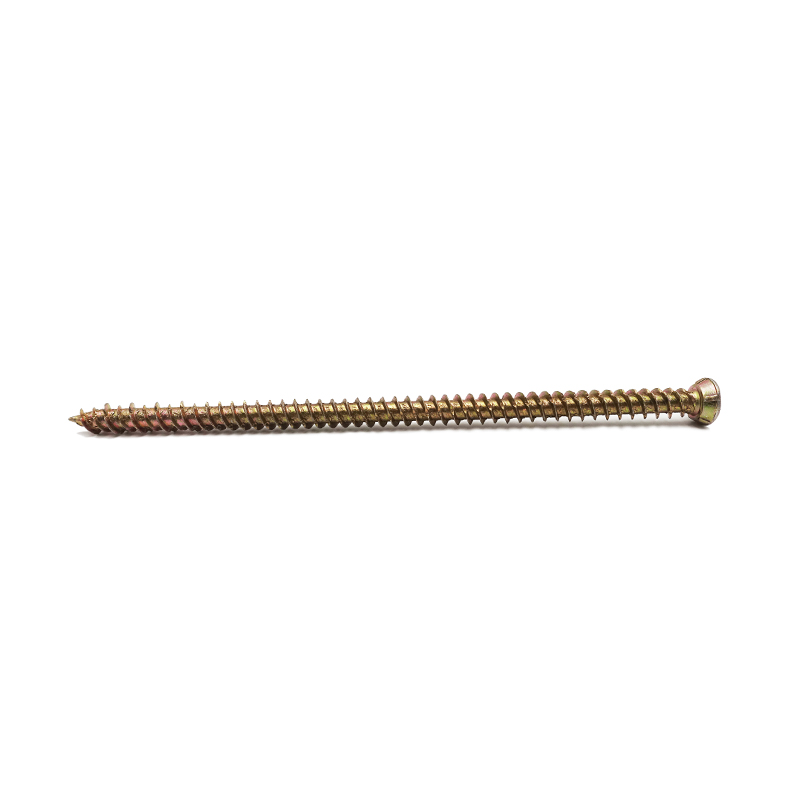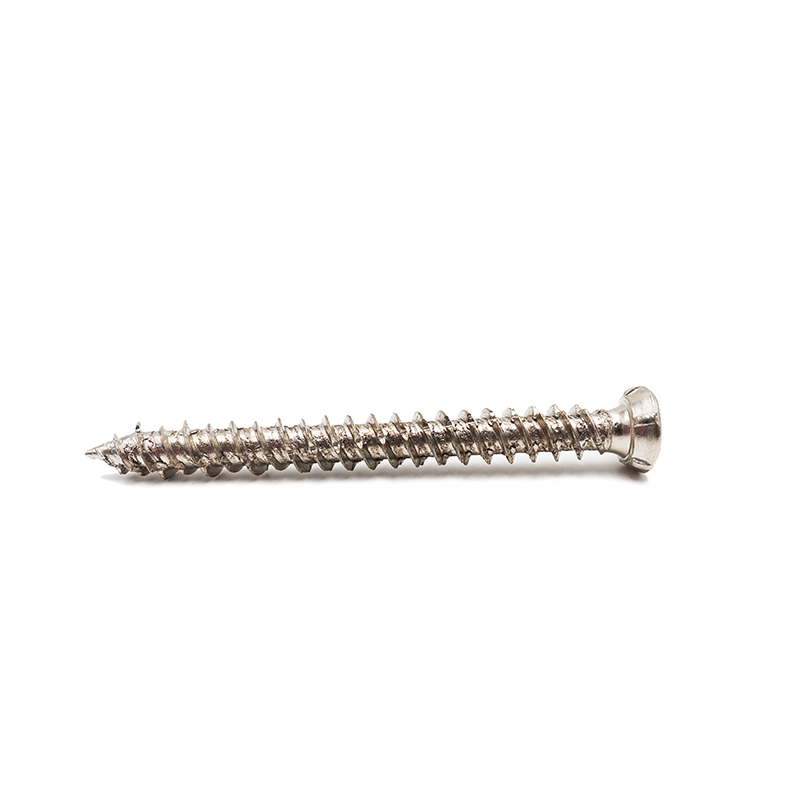
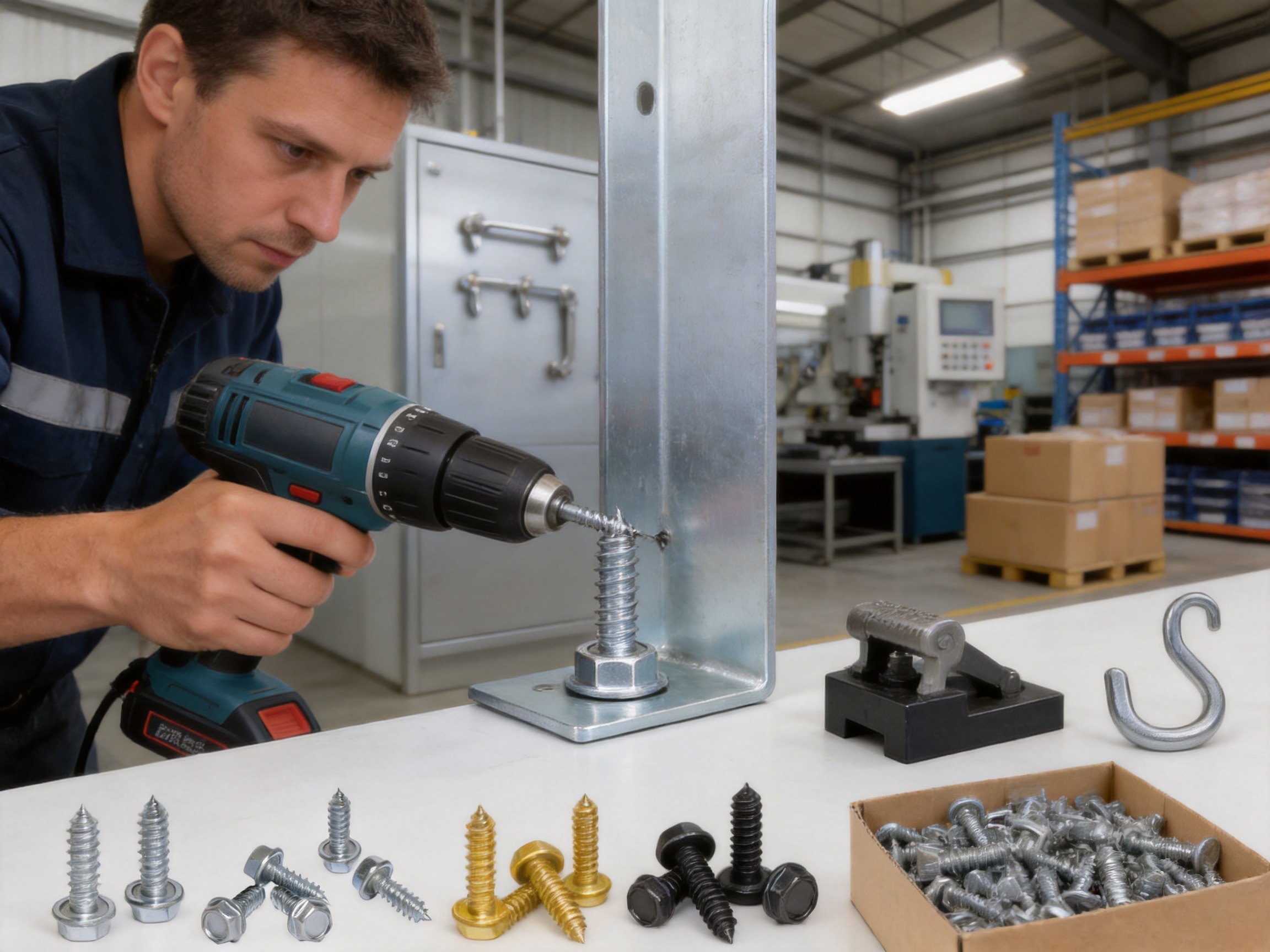
Hex washer head self-tapping screws are designed for fastening applications that require quick installation, dependable clamping, and practical resistance to loosening. Their combined hexagonal driving head and integrated washer bearing surface make them especially useful for sheet metal, hardware, home improvement, light construction, furniture, packaging equipment, and general industrial assembly. The product discussed in this article is a zinc-plated self-tapping screw manufactured from C1022A carbon steel and offered with several drive, thread, and surface-finish options.
Compared with ordinary pan-head or flat-head self-tapping screws, the hex washer head configuration offers a broader bearing area and supports efficient torque transfer from a compatible socket or nut driver. This combination can improve installation speed while helping distribute clamping pressure over the material surrounding the fastening point. For production lines, installers, maintenance teams, and distributors, these characteristics can contribute to lower labor costs and more consistent assembly results.
Lizhan Hardware Co., Ltd. supplies this type of fastener from its manufacturing operation in Zhejiang, China, with warehouse support in Chonburi, Thailand. The company specializes in screws and related hardware products, including self-tapping screws, self-drilling screws, sheet metal screws, roofing screws, drywall screws, furniture screws, stamping parts, hooks, and other fastening products. Its product range allows buyers to coordinate several fastening requirements with one experienced supplier.
Product Overview
The hex washer head self-tapping screw is intended to form or engage a thread in a prepared or unthreaded substrate. Depending on the selected thread form and point design, the screw may be installed into thin steel, aluminum, plastic, wood-based materials, or other compatible substrates. The correct screw must always be selected according to material thickness, hardness, pilot-hole requirements, expected load, environmental exposure, and installation equipment.
The head combines two functional elements. The hexagonal external head is designed for a socket, nut driver, or suitable hex-drive tool. The washer-style flange beneath the head increases the contact area between the screw and the assembled component. This design can reduce the tendency of the head to pull through thin sheet material and can help distribute pressure more evenly than a narrow-head fastener.
The product is available with Philips or slotted recess options in addition to the hexagonal external driving feature, depending on the required configuration. Buyers should confirm the exact head and drive combination before ordering because the appropriate tool, installation method, and packaging specification may differ between versions.
The listed production range includes diameters identified as #14 through 6.3, with length specifications shown as #14-AF, approximately 9.33 to 9.52 in the supplied product information. Since screw size notation can vary by market and application, buyers should provide dimensional drawings or samples when precise fit, head height, washer diameter, thread pitch, point geometry, or length tolerance is critical.
| Product characteristic | Available or listed specification | Practical significance |
|---|---|---|
| Product type | Hex washer head self-tapping screw | Supports fast installation and broad bearing contact |
| Material | C1022A carbon steel | Provides a suitable balance of strength, formability, and production efficiency |
| Drive options | Philips, slotted, and external hex configuration subject to order | Allows compatibility with different tools and assembly processes |
| Thread options | A thread and AB thread | Supports different substrate and application requirements |
| Surface finishes | Zinc plated, yellow zinc plated, Ruspert, and Magni | Provides choices for corrosion protection, appearance, and service conditions |
| Application range | Metal, hardware, furniture, packaging, home tools, and general assembly | Suitable for distributors and OEM buyers serving multiple industries |
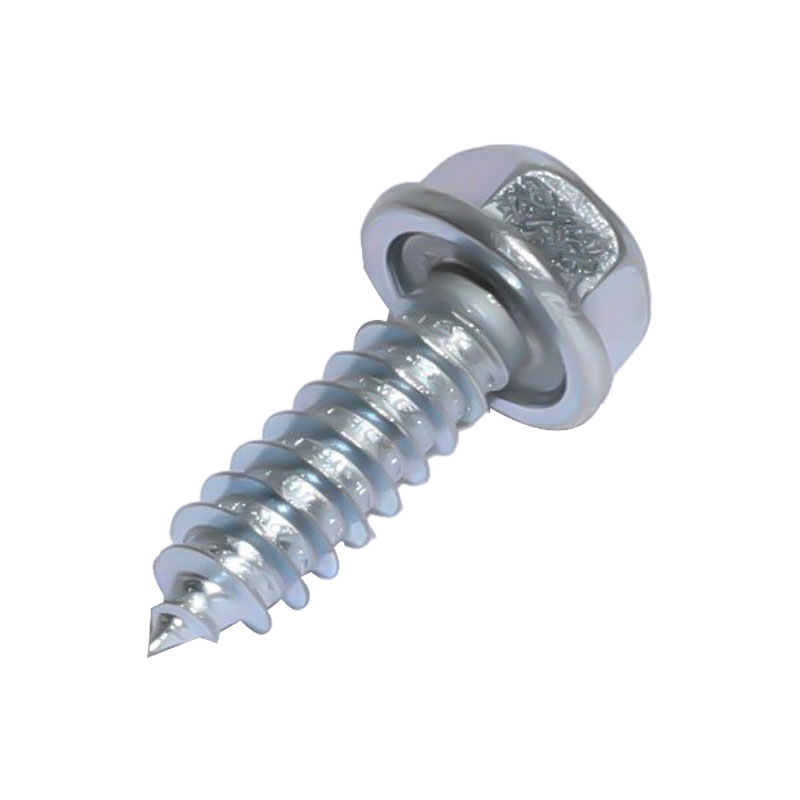
Hex washer head self tapping screws zinc plated
Why the Hex Washer Head Design Is Effective
Efficient torque transfer
The external hexagonal head is compatible with sockets and nut drivers that can apply torque efficiently. In comparison with a small cross recess alone, a properly matched socket can provide stable contact around the head and reduce the likelihood of drive-out during installation. This is valuable in repetitive assembly, overhead work, and applications where installers need to work quickly with power tools.
Efficient torque transfer does not mean that excessive torque should be used. Over-tightening can strip the substrate, deform thin sheet material, damage the protective coating, or break the screw. The correct torque depends on screw diameter, substrate type, hole size, joint design, and the capabilities of the installation tool. Production customers should validate torque settings through assembly trials.
Integrated washer bearing surface
The washer-style flange beneath the hex head increases the contact area between the fastener and the component being secured. This can be beneficial when fastening thin sheet metal, brackets, panels, hardware fittings, or materials with a relatively soft surface. The flange can help reduce local indentation and distribute clamping force around the hole.
An integrated washer also simplifies handling compared with a separate screw-and-washer combination. Fewer loose components can improve assembly speed, reduce picking errors, and make automated or semi-automated feeding more practical. It can also help purchasing departments reduce the number of individual stock-keeping units required for a particular fastening operation.
Suitable for direct thread formation
Self-tapping screws are made to create or engage a mating thread as they enter the workpiece. In many thin-metal applications, this eliminates the need to tap a separate internal thread. The result can be a faster and more economical assembly process, particularly when the joint is produced in large volumes.
The suitability of a self-tapping screw depends on the relationship between screw geometry and substrate. A thread that performs well in thin carbon steel may not be appropriate for thick hardened material, brittle plastic, or soft wood. The hole diameter, material thickness, screw point, thread angle, and installation speed should be evaluated together rather than viewed independently.
Material Selection: C1022A Carbon Steel
C1022A is a commonly used carbon steel grade for cold-formed fasteners. It is valued in screw production because it offers a practical balance of strength, ductility, and manufacturability. The material can be formed into a consistent head and thread profile while supporting the mechanical requirements of many general-purpose fastening applications.
Material consistency is important in cold heading, rolling, heat treatment, and surface finishing. Variations in wire quality can affect forming behavior, thread quality, head dimensions, hardness, and final performance. A controlled raw-material purchasing process and incoming inspection program help reduce these risks before production begins.
The final mechanical performance of a screw is influenced not only by its steel grade but also by its diameter, geometry, heat-treatment condition, surface treatment, and manufacturing controls. Buyers requiring a particular tensile strength, hardness range, torsional performance, or corrosion rating should request the applicable inspection documents and agree on the testing requirements before production.
C1022A is appropriate for a wide variety of general fastening uses, but it is not automatically suitable for every high-load, high-temperature, or highly corrosive environment. For marine exposure, chemical plants, exterior infrastructure, or applications involving direct contact with dissimilar metals, a different base material or coating system may be required.
Thread Options for Different Applications
A thread
A thread is commonly associated with applications involving relatively thin metal, soft materials, or general-purpose sheet fastening. Its geometry can provide a useful balance between thread engagement and installation effort. The exact performance depends on the screw diameter, point style, pilot-hole size, and thickness of the material.
When used in thin steel or aluminum, an A-thread screw may be selected for brackets, covers, panels, hardware fittings, and light-duty sheet assemblies. The installer should avoid forcing the screw through a substrate that is too thick or too hard for the chosen design. Excessive resistance can damage the drive, overheat the tool, or cause screw breakage.
AB thread
AB thread designs are often selected for applications involving thin metal, plastics, plywood, fiber materials, and other substrates where controlled thread engagement is important. The finer or modified thread geometry can support a suitable balance between holding power and installation behavior in specific materials.
Because substrate behavior varies considerably, the best thread should be determined through application testing. A screw that performs well in a rigid plastic may not provide the same result in a soft plastic or a thin sheet. Lizhan Hardware can discuss thread selection with buyers who provide information about material type, thickness, hole design, and expected load.
Surface Finish Options
Zinc plating
Zinc plating provides a familiar bright metallic appearance and a basic level of corrosion protection for indoor and controlled-environment applications. It is widely used for general hardware, furniture, home tools, packaging equipment, and light industrial assemblies. The coating also supports an economical price point for buyers who need large volumes of standard fasteners.
The corrosion resistance of zinc-plated screws depends on coating thickness, post-treatment, storage conditions, humidity, salt exposure, handling, and installation damage. Zinc plating should not be treated as a universal substitute for stainless steel or specialized heavy-duty corrosion-resistant systems. The required coating specification should be confirmed according to the intended service environment.
Yellow zinc plating
Yellow zinc plating provides a distinctive yellow or iridescent appearance and can offer enhanced protection compared with a basic untreated or lightly protected steel surface, depending on the coating process and specification. It is often used when buyers want a visible finish distinction or an additional passivation treatment.
Color consistency can be important for branded hardware packages and retail products. Buyers should specify whether the priority is visual color, corrosion performance, coating thickness, or compatibility with a particular industry requirement. These objectives may require different process controls.
Ruspert coating
Ruspert is a multi-layer coating system commonly selected when higher corrosion resistance is needed than standard zinc plating can provide. Its layered construction can offer improved protection in demanding outdoor or humid environments, subject to the exact system, coating thickness, and testing method used.
Ruspert finishes can also be available in different colors, helping manufacturers coordinate fasteners with product design or assembly requirements. The coating specification should include the required color, thickness, friction behavior, and corrosion test expectation where relevant.
Magni coating
Magni coating systems are used in applications where engineered corrosion protection, controlled friction, and consistent assembly behavior are important. Such coatings may be considered for automotive, machinery, outdoor, and industrial applications, depending on the precise product system and customer requirements.
Coating selection should be made together with the joint design. A coating can change friction characteristics and therefore influence the relationship between applied torque and achieved clamp load. For critical assemblies, customers should test the selected coating and establish an appropriate installation procedure.
Manufacturing Process and Production Strengths
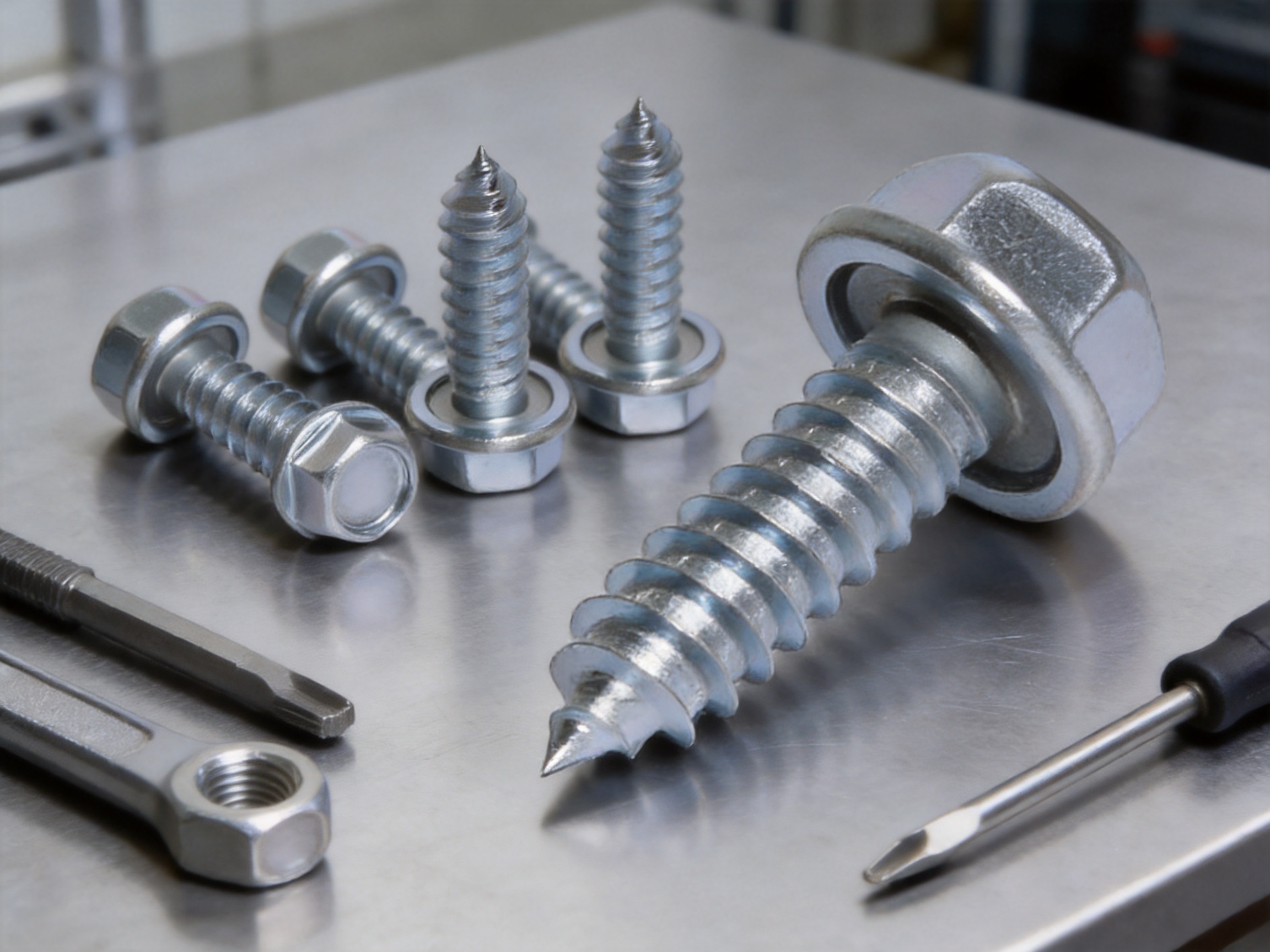
The performance of a self-tapping screw depends heavily on manufacturing consistency. A screw may have an appropriate nominal size but still fail to perform if the head, thread, point, hardness, or coating is inconsistent. An experienced screw manufacturer therefore needs coordinated control across material preparation, forming, thread production, heat treatment, surface finishing, inspection, and packing.
Raw-material preparation
Production begins with the selection and preparation of carbon-steel wire suitable for cold forming. Wire diameter, surface condition, chemical composition, cleanliness, and mechanical properties must be appropriate for the planned screw size. Incoming material checks help confirm that the wire can be processed without excessive cracking, splitting, or dimensional variation.
Wire may be supplied in coils and prepared through cleaning, drawing, spheroidizing, or other process steps as required by the production route. The goal is to establish stable forming characteristics before the material enters the heading equipment. Reliable preparation reduces interruptions and supports repeatable head dimensions.
Cold heading
Cold heading forms the screw blank and head through controlled deformation rather than machining the entire shape from solid bar. This process is efficient for high-volume fastener production because it can reduce material waste and create consistent head geometry at a high production rate.
For a hex washer head design, the forming sequence must establish the external hex profile, integrated washer flange, drive features where applicable, and the transition between the head and shank. Tooling condition is important. Worn or damaged dies can influence head height, flange diameter, recess depth, corner definition, and concentricity.
Advanced cold-heading production depends on suitable equipment, accurate tooling, proper lubrication, and process monitoring. These factors help maintain stable dimensions across production batches. For customers purchasing large volumes, consistent tooling management can be as important as nominal machine capacity.
Point forming and thread rolling
After the blank is formed, the screw point and thread are produced according to the selected design. Thread rolling displaces material to create the thread profile rather than cutting away the complete thread from a solid shaft. This method can produce strong, clean thread flanks and efficient material utilization when controlled correctly.
Thread-rolling dies must match the screw diameter, thread form, length, and point geometry. The process requires attention to pitch, major diameter, minor diameter, crest condition, thread run-out, and alignment. A stable rolling process helps the screw enter the substrate consistently and reduces installation variation.
The point geometry is especially important for self-tapping performance. A properly formed point can support smooth starting, reduce excessive installation resistance, and help the screw create an effective mating thread. The point must be evaluated against the intended substrate rather than considered a purely cosmetic feature.
Heat treatment
Heat treatment may be used to establish the required balance of hardness, strength, and toughness for the screw. Self-tapping fasteners need enough hardness to form or engage a thread in the target material, while retaining sufficient toughness to resist torsional breakage during installation.
Temperature control, atmosphere management, quenching, tempering, and loading practices can all affect final properties. Over-hardening may increase brittleness, while insufficient hardness may reduce thread-forming effectiveness. A controlled heat-treatment process and appropriate testing are therefore important parts of production quality.
Not every application requires the same mechanical condition. A general-purpose furniture screw, a thin-sheet hardware screw, and an exterior industrial fastener may have different performance priorities. The supplier and buyer should agree on the applicable specification before production begins.
Surface treatment
Following forming and heat treatment, screws may undergo cleaning, plating, passivation, coating, drying, and final inspection. Surface treatment must achieve adequate coverage on the head, flange, threads, and point without creating excessive buildup that interferes with assembly.
Coating uniformity is particularly important for threaded products. Excessive coating accumulation can reduce thread clearance, alter installation torque, or prevent the screw from entering the pilot hole correctly. Insufficient coverage may reduce corrosion protection. Process control therefore needs to consider both appearance and functional fit.
Inspection and quality control
Quality control can include visual inspection, dimensional measurement, thread gauging, head and recess checks, coating inspection, hardness testing, torsional testing, and corrosion evaluation where required. The specific inspection plan should reflect the product drawing, purchase order, industry standard, and customer application.
Typical dimensional checks may include overall length, head diameter, washer diameter, head height, hex size, recess dimensions, thread length, major diameter, point geometry, and concentricity. Sampling frequency can be adjusted according to production volume, product criticality, historical process capability, and customer requirements.
For large OEM orders, traceability can provide additional value. Lot identification, raw-material records, process records, coating information, and inspection results make it easier to investigate any quality concern and support controlled replenishment. Buyers should discuss the required documentation before order confirmation.
Advantages Compared with Ordinary Self-Tapping Screws
Improved bearing distribution
A conventional narrow-head screw can concentrate pressure around a relatively small area. The washer-style flange of this product provides a wider bearing surface, which can be useful when fastening thin sheet components or materials that may deform under concentrated pressure.
Faster tool engagement
The external hex head is practical for socket-based installation. In many production environments, a nut driver or power socket can be changed quickly and used with controlled torque. This can be more convenient than relying only on a cross recess, particularly where high installation speed is required.
Reduced component count
Because the washer is integrated into the head, the installer does not need to place a separate loose washer over the screw before installation. This can simplify automated feeding, reduce assembly steps, and lower the possibility of losing or incorrectly matching washers.
Flexible finish selection
The availability of zinc plated, yellow zinc plated, Ruspert, and Magni finishes enables buyers to select a surface treatment based on cost, appearance, corrosion exposure, and assembly requirements. This flexibility is an advantage over suppliers that offer only one standard finish.
Multiple thread and drive configurations
The availability of A and AB thread options, together with Philips and slotted recess possibilities, allows the fastener to be adapted to different materials and tools. Buyers can specify a product configuration that aligns with their existing assembly equipment rather than redesigning the entire process around a single standard screw.
Application Areas
Sheet metal assembly
These screws can be used for brackets, guards, covers, panels, enclosures, ducts, and light metal structures when the screw size and thread design are suitable. The washer flange helps distribute pressure around the hole, while the self-tapping thread can reduce the need for pre-tapped holes.
Furniture and cabinet hardware
Furniture manufacturers and hardware distributors often require screws that can be installed quickly and supplied in consistent packaging. Hex washer head screws may be used for metal brackets, reinforcement pieces, fittings, hinges, frames, and selected wood-based or composite components. The correct thread option should be tested to prevent splitting or over-tightening.
Home tools and maintenance products
Toolboxes, storage products, garden equipment, workshop accessories, and household hardware may use self-tapping screws for attaching covers, brackets, handles, panels, and internal components. Zinc-plated finishes are often suitable for indoor products, while more protective coatings may be preferred for equipment exposed to moisture.
Packaging equipment
Packaging machinery may contain sheet-metal guards, guide rails, supports, and service panels that require frequent assembly or maintenance. A socket-driven hex head can be useful where technicians need quick access, while the integrated washer can help secure thin-gauge components.
Stamping parts and fabricated components
Stamped brackets and formed sheet-metal parts often require economical fastening methods. Self-tapping screws can support efficient assembly without adding a separate nut or welded threaded insert, provided that the joint design provides adequate thread engagement and resistance to pull-out.
Metal hooks and general hardware
Metal hooks, hangers, utility fittings, and other hardware products may use these screws for mounting or component attachment. Selection should consider the expected load, the direction of force, the substrate, and the possibility of repeated removal and reinstallation.

Installation Recommendations
Before installation, confirm that the screw diameter, length, thread form, coating, and drive configuration match the application. The screw should be long enough to achieve the required engagement but not so long that it interferes with internal components, creates a sharp projection, or damages an unseen surface.
Use a driver or socket that fits the head accurately. A loose tool can round the hex corners, damage the drive recess, or produce inconsistent torque. For power-tool assembly, select a suitable speed and torque setting. Excessive speed can generate heat, damage the coating, and cause the screw to cut too aggressively into a thin substrate.
Where the material requires a pilot hole, use the recommended hole diameter and maintain alignment between the hole and the screw axis. An undersized hole can create excessive installation torque, while an oversized hole can reduce thread engagement and holding power. Pilot-hole requirements should be established through trials using the actual material batch and production equipment.
Keep the screw perpendicular to the work surface unless the joint design specifically allows an angled installation. Misalignment can damage the thread, deform the hole, reduce bearing contact, and place bending stress on the screw. The washer flange should sit evenly against the component rather than contacting the surface only on one side.
For coated screws, avoid unnecessary scraping or impact before installation. Damaged coating can create localized corrosion points. If the assembly is exposed to moisture or chemicals, consider whether the selected finish remains suitable after installation and whether cut edges, drilled holes, and surrounding materials also require protection.
Purchasing and Customization Considerations
When requesting a quotation, buyers should provide the screw diameter, length, head style, drive type, thread form, point design, finish, packaging quantity, application, and estimated annual volume. Drawings or physical samples are recommended when the screw must fit an existing component or automated assembly system.
Packaging can be supplied according to distribution or production needs. Retail packs, bulk cartons, labeled bags, small boxes, and customized packaging may be considered subject to order requirements. Clear identification should include size, finish, thread type, quantity, lot information, and any relevant customer code.
For distributors, a broad product portfolio can simplify sourcing. Lizhan Hardware Co., Ltd. manufactures and supplies several categories of screws and hardware, allowing buyers to consolidate orders for self-tapping screws, self-drilling screws, sheet metal screws, roofing screws, furniture screws, hooks, stamping parts, and related products.
The company operates from No. 2 Yuanrun Park, DaiFeng Road, Wanghai Town, Haiyan, Jiaxing City, Zhejiang, China, with a Thailand warehouse location in Ban Bueng, Chonburi. The combination of a China production base and Thailand warehouse support can be useful for customers seeking manufacturing access together with regional inventory or logistics coordination.
For technical or commercial communication, buyers may contact Lizhan Hardware Co., Ltd. through its sales team. Shawn and Sophia are listed as contacts in the supplied company information. Customers should confirm the latest contact details, product drawings, inspection documentation, shipping terms, and lead time when placing an order.
How to Evaluate Supplier Reliability
A competitive unit price is important, but it should be evaluated together with dimensional consistency, coating quality, delivery reliability, communication, and the supplier’s ability to repeat the same specification over multiple orders. A low-cost screw that causes installation failures or line stoppages can create a higher total cost.
Buyers should review whether the supplier can control the complete production chain or coordinate qualified partners for specialized operations such as heat treatment and advanced coatings. Clear responsibility for each process helps reduce uncertainty and makes corrective action more efficient if a nonconformity is discovered.
Sample approval is a valuable step before mass production. Samples should be tested in the actual application using the planned driver, material, pilot hole, installation speed, and torque. Visual inspection alone cannot confirm thread-forming performance or long-term corrosion behavior.
For recurring orders, buyers can establish an approved sample, drawing, inspection plan, packaging standard, and change-notification procedure. This creates a common reference for future production and helps ensure that changes to raw material, tooling, coating, or packaging are reviewed before implementation.
Environmental and Service-Life Considerations
Fastener selection should account for the complete service environment. Indoor dry conditions, humid warehouses, exterior exposure, coastal air, industrial chemicals, and elevated temperatures can produce very different corrosion risks. Zinc plating may be economical for a controlled environment, while Ruspert, Magni, or another engineered finish may be more appropriate for demanding exposure.
Galvanic interaction should also be considered when carbon-steel screws are installed with aluminum, stainless steel, or other dissimilar metals in the presence of moisture. The joint design, coating system, insulation method, and drainage conditions can influence corrosion behavior. A coating that is suitable for one material combination may not be ideal for another.
Storage practices affect product condition before installation. Screws should be kept in clean, dry packaging and protected from condensation, chemical fumes, salt contamination, and prolonged exposure to high humidity. First-in, first-out inventory control can help reduce extended storage periods.
Frequently Asked Questions
What is a hex washer head self-tapping screw?
It is a screw with an external hexagonal driving head, an integrated washer-style flange, and a thread designed to form or engage a mating thread in a suitable substrate. The design combines socket-based installation with a broad bearing surface.
What material is used for this product?
The listed material is C1022A carbon steel. This grade is commonly used for cold-formed fasteners because it offers suitable formability and mechanical performance for many general-purpose screw applications.
What finishes are available?
The supplied product information lists zinc plated, yellow zinc plated, Ruspert, and Magni finishes. Availability, color, coating thickness, and corrosion performance should be confirmed for the specific order.
Can these screws be used outdoors?
They may be suitable for selected outdoor applications when the finish and joint design provide adequate protection. Standard zinc plating may not be sufficient for severe exposure, coastal environments, or chemical conditions. A more protective coating or corrosion-resistant material may be required.
What is the difference between A thread and AB thread?
They are different thread configurations intended for different substrate and installation conditions. A thread is commonly associated with general sheet-metal and soft-material fastening, while AB thread may be selected for thin metal, plastics, plywood, fiber materials, or other applications requiring a particular engagement behavior. Actual performance should be verified through testing.
Why use an integrated washer instead of a separate washer?
An integrated washer can distribute clamping pressure while remaining permanently attached to the screw. This reduces the number of loose components, simplifies handling, and can improve assembly efficiency.
Which tool should be used?
A compatible socket or nut driver is generally used for the external hex head. Some versions may also include a Philips or slotted recess. The tool must match the exact head configuration and should be maintained in good condition.
Can these screws be used in wood?
Some configurations may be suitable for wood-based materials, but the thread, point, diameter, and length must be appropriate. A screw designed primarily for thin metal may not provide the best holding power in wood. Application testing is recommended.
How should the correct length be selected?
The length should provide adequate engagement in the receiving material without penetrating too far or interfering with other components. The required length depends on the thickness of the parts being joined, the substrate, the expected load, and the joint design.
What information should be included in a purchase inquiry?
Include the required diameter, length, head and drive style, thread type, point configuration, finish, quantity, packaging, application, delivery location, and any inspection or certification requirements. A drawing or sample is helpful when the screw must match an existing product.
Are custom specifications possible?
Custom dimensions, finishes, packaging, and production quantities may be considered depending on tooling, material, coating, and order requirements. Buyers should submit a drawing or sample so the manufacturer can review feasibility and provide an accurate quotation.
How can buyers confirm product quality?
Buyers can approve samples, conduct installation trials, review dimensional inspection results, evaluate coating condition, and define an agreed inspection plan. For critical applications, mechanical testing, corrosion testing, lot traceability, and third-party inspection may also be considered.
Conclusion
Hex washer head self-tapping screws provide a practical combination of fast installation, efficient torque transfer, broad bearing contact, and flexible application potential. Their external hex head is well suited to socket-based tools, while the integrated washer can help distribute clamping force and eliminate the need for a separate loose washer. A choice of A or AB thread and multiple surface finishes allows the product to be adapted to different materials, environments, and purchasing priorities.
The use of C1022A carbon steel supports efficient cold-heading and thread-rolling production for a wide range of general-purpose fastening applications. Consistent performance depends on more than the material grade, however. Raw-material control, tooling management, thread forming, heat treatment, surface finishing, dimensional inspection, and packaging must work together as one manufacturing system.
Lizhan Hardware Co., Ltd. combines screw manufacturing capability in Zhejiang, China, with a Thailand warehouse location and a broader hardware product range. For distributors, OEMs, furniture manufacturers, hardware companies, and industrial buyers, this can provide a convenient source for standard and application-specific fastening products. The most reliable purchasing decision will result from matching the screw configuration and coating to the actual substrate, load, environment, installation tool, and quality requirements.
References
ASTM International. Standard Terminology Relating to Fasteners and Related Products.
ASTM International. Standard Specification for Carbon Steel Externally Threaded Standard Fasteners.
International Organization for Standardization. ISO General Product Standards for Fasteners and Screw Threads.
International Organization for Standardization. ISO Standards for Zinc Coatings on Steel Fasteners.
Industrial Fasteners Institute. Fastener Engineering and Installation Practice References.
Manufacturing data and product specifications supplied by Lizhan Hardware Co., Ltd. for hex washer head self-tapping screws.